Quick Answer Box:THCa wholesale will undergo dramatic changes in 2026 due to new federal law. Most current THCa flower will become illegal under the revised total THC standard, greatly impacting wholesalers, buyers, and the entire hemp industry. Understanding these changes is crucial for legal compliance and safe sourcing.
What is THCa? Understanding the Compound and Its Uses
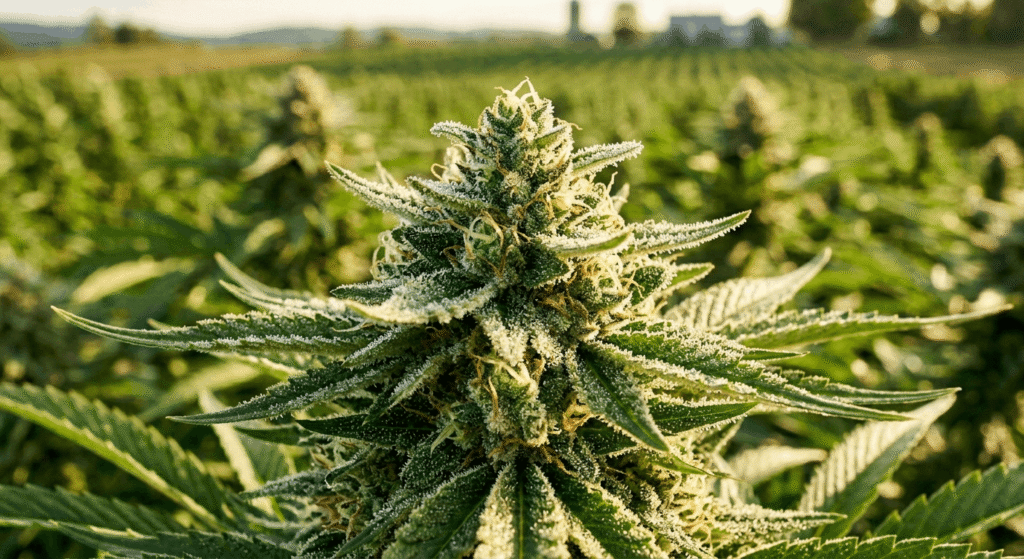
THCa, or tetrahydrocannabinolic acid, is a naturally occurring, non-intoxicating cannabinoid found in raw and freshly harvested cannabis and hemp plants. Unlike THC, which is responsible for psychoactive effects, THCa does not cause a high unless heated through processes such as smoking or baking, which convert it into THC. THCa has become particularly popular in the hemp flower market, especially as the cannabis industry continues to evolve and new cannabinoid products emerge. This compound is often present in high concentrations in so-called hemp flower legal in previous years, making it a significant topic in current regulatory debates.
What is THCa Wholesale?
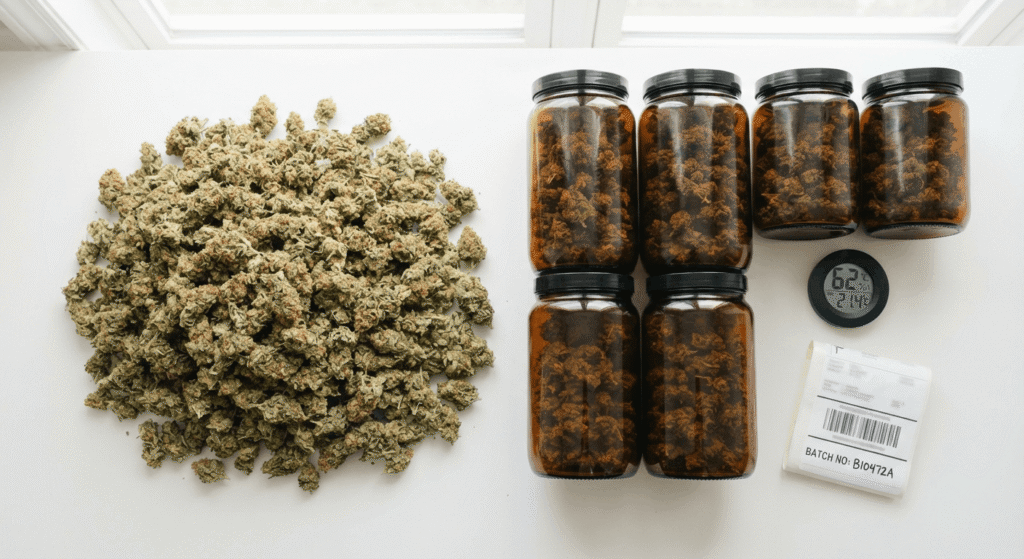
THCa wholesale refers to the business-to-business bulk supply and distribution of THCa-rich hemp flower, concentrates, pre-rolls, and infused products. This typically involves transactions between licensed cultivators, processors, and retailers, with an emphasis on compliance, product documentation, and large-volume pricing. The THCa wholesale market has driven much of the innovation in cannabinoid distribution, but is now facing sweeping legal changes in 2026.
Is THCa Legal? Past, Present, and Upcoming Changes
THCa’s legal status has shifted sharply in recent years, and it is about to change again in 2026. Under the 2018 Farm Bill, hemp and hemp-derived products—including THCa flower—were federally legal as long as they contained less than 0.3% delta-9 THC by dry weight. This legal framework led many vendors and retailers to market THCa hemp flower as a compliant product, exploiting a gap in the law that did not address THCa’s conversion into THC when consumed.
While THCa products technically complied with federal law based on delta-9 THC content, several states imposed their own rules, some adopting broader bans or adopting a total THC measurement standard. The patchwork of state regulations created confusion for buyers and sellers, especially when trying to determine the answer to “is thca legal” across various jurisdictions.
Federal Law Evolution and the THCa Ban 2026
Federal regulation is set to change dramatically in November 2026. The key THCa law, established by the Continuing Appropriations and Extensions Act, 2026, will redefine legal hemp using a “total THC” calculation: delta-9 THC plus 0.877 times the amount of THCa. Almost all THCa hemp flower, which often contains 20–30% THCa by weight, will exceed the 0.3% total THC threshold and thus become noncompliant.
This THCa ban 2026 closes the previously exploited legal loophole, fundamentally altering the understanding of whether thca flower legal is possible under hemp guidelines. States such as Colorado, Oregon, and Idaho had already enacted similar measures prior to federal action, but now this standard will apply nation-wide.
For detailed legal perspectives, consult resources such as Arnold & Porter Kaye Scholer LLP, which provides a comprehensive breakdown of the new legislation.
THCa Law in 2026: What’s Changing?
Beginning November 12, 2026, the U.S. government will fully enforce a revised legal definition for hemp. The previous focus on delta-9 THC is being replaced by a universal “total THC” standard calculated as delta-9 THC plus 0.877 times THCa. This legal shift will render nearly all existing THCa hemp flower illegal under federal law—impacting both wholesale and retail supply chains.
The law also introduces a 0.4 mg total THC per container limit for certain product types, adding yet another layer of compliance for all businesses involved in thca wholesale. Documentation will play a vital role. Every batch or SKU must be verified by a lab report from ISO/IEC 17025-accredited facilities, often accessible via dedicated Lab Results pages from reliable vendors.
Key industry sources, including Cannabis Business Times, have reported extensively on how these regulatory changes are reshaping the landscape.
Impacted Product Types
- THCa flower (trim, whole buds, smalls, shake)
- THCa concentrates, such as badder, crumble, distillate, hash, live resin, rosin, and sugar
- Pre-rolls, vapes, edibles, and all infused products containing THCa
Wholesale and retail participants will need to adjust their sourcing strategies and educate staff on compliance as the law’s reach expands.
The Growing Role of Documentation and Testing
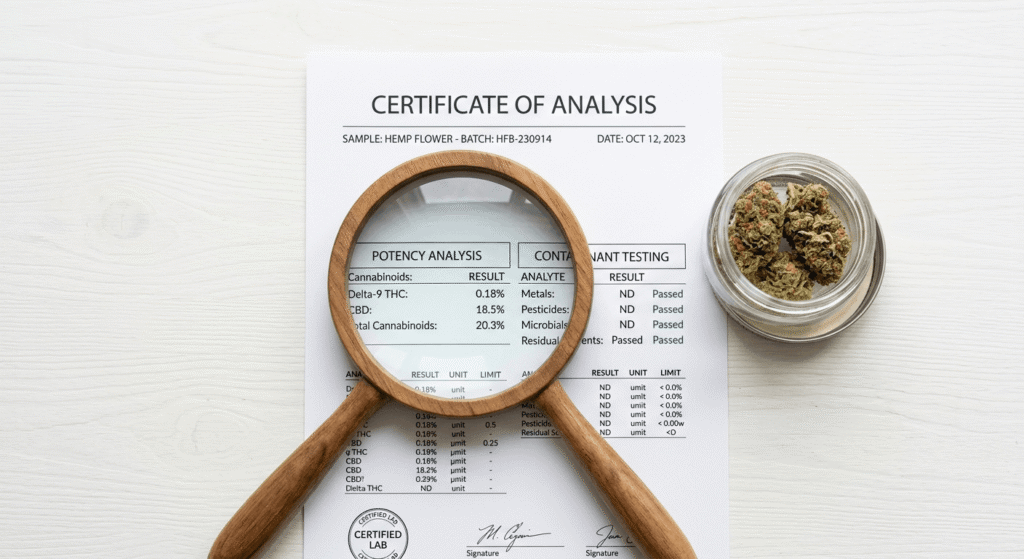
For both wholesalers and retailers, meticulous record-keeping is essential. Full Certificates of Analysis (COA), Certificates of Origin, and proper labeling help demonstrate compliance and avoid enforcement action post-hemp ban.
State-by-State THCa Legality Map
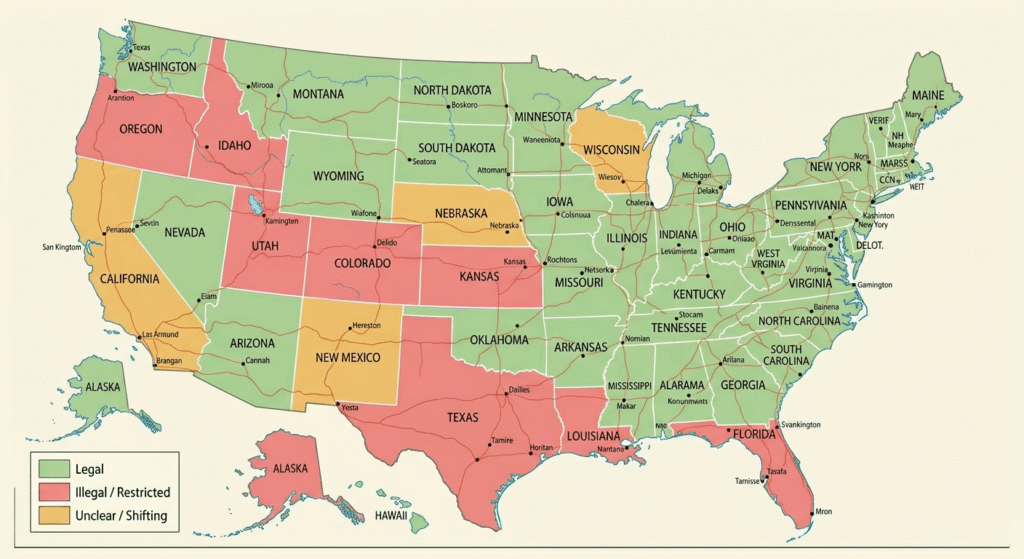
Even before the federal THCa ban 2026, state laws governing THCa and hemp-derived cannabinoids varied significantly. Some states, such as Colorado and Oregon, prohibited high-THCa hemp flower long before the federal rule. Others simply followed the original 2018 Farm Bill’s delta-9 THC guidelines, allowing many current THCa products to be sold.
As the 2026 federal standard approaches, additional states are revising statutes to reflect or even tighten the new federal requirements. States like Florida and Louisiana now explicitly regulate “total THC,” placing clear restrictions on thca hemp flower and related goods. Meanwhile, areas like Wisconsin, Texas, and New Mexico continue to see shifting or unclear policies, leading to sporadic enforcement.
It is critical that both businesses and consumers monitor legislative updates in their state. Use reliable state-by-state legal summaries to determine if THCa flower legal status is changing in your jurisdiction. Businesses should provide access to their Terms & Conditions and maintain open Contact channels for compliance verification.
Navigating State Changes
The legal landscape remains in flux as states update their policies to match or differ from the 2026 federal standard. Engaging with local authorities and reviewing the latest news from trusted industry sources ensures ongoing compliance as THCa law evolves.
THCa Wholesale: How the 2026 Law Impacts Bulk Buyers and Sellers
THCa wholesale has historically been a fast-growing business, supporting B2B sales of pounds of flower, pre-rolls, concentrates, and infused goods. These businesses once operated under the delta-9 THC threshold of the 2018 Farm Bill. A COA showing compliance with this federal limit often sufficed for distribution, whether through physical storefronts or via online Shop platforms.
With the coming federal “total THC” standard, the business model for thca wholesale will fundamentally shift. Nearly all THCa hemp flower and THCa concentrate products will surpass the new legal threshold, and these items will be considered controlled substances unless distributed through state-licensed cannabis programs. As a result, many current wholesale transactions and offerings on sites such as Flowers or Concentrates will need to be re-evaluated for ongoing compliance.
Compliance and Documentation for Bulk Transactions
Businesses can prepare for the new regulatory environment by adopting several best practices:
- Only source from suppliers who provide thorough batch-level COAs from ISO/IEC 17025-accredited labs, readily accessible in legitimate Lab Results sections.
- Examine Certificates of Origin and MSDS data, particularly for interstate or export shipments.
- Query vendors about cultivation methods (indoor vs. greenhouse, use of pesticides) and packaging standards, ensuring every batch aligns with 2026 thca law requirements.
- Maintain inventory and purchase records, including up-to-date COAs, to rapidly satisfy any enforcement inquiry.
Adapting to Supply Chain Risks
As the hemp ban and the THCa ban 2026 take effect, wholesalers and retailers should act quickly. Steps may include halting noncompliant THCa hemp flower purchases by late 2025, liquidating existing inventory, or formulating alternative legal products such as high-CBD or minor-cannabinoid items. Avoid the mistake of attempting to shift unsellable flower to unlicensed vendors or unauthorized states; enforcement actions will likely increase after November 2026.
For the latest on pricing trends and compliance, consult external resources such as Wholesale Pricing and insights from industry news at Cannabis Business Times.
How to Buy Legal THCa Hemp Flower in 2026: Step-by-Step Guide
High-THCa flower sales will be tightly restricted in 2026. Here’s how to buy THCa hemp flower legally after the hemp ban:
- Identify your state’s regulatory status. Confirm whether medical or recreational cannabis programs permit the sale of high-THCa cannabis.
- Purchase only from state-licensed dispensaries or platforms registered with local authorities. Legitimate retailers must be listed on state government sites.
- Demand a current COA confirming compliance with the “total THC” threshold from an ISO/IEC 17025-accredited laboratory.
- Review packaging and product labeling. Legal flower must display total THC content and provide batch numbers for verification.
- Check your state cannabis agency’s directory of approved retail outlets to ensure your provider is fully authorized.
- Subscribe to updates from reputable trade publications like Cannabis Business Times or Blogs to stay informed.
- Retain receipts and digital copies of the COA. Ready access to documentation helps resolve any questions during enforcement audits or legal disputes.
Consumers and businesses should also reference supplier Terms & Conditions to understand store policies and documentation standards under the new thca law.
Where to Find THCa Near Me: Navigating Local Markets After the Hemp Ban
After the 2026 hemp ban, searching for thca near me will be a notably different experience. Most hemp shops, online vendors, and unlicensed outlets that formerly sold high-THCa flower will be unable to legally supply these products. Only state-licensed dispensaries in regulated medical or adult-use markets will have authority to sell thca hemp flower that meets legal criteria.
Practical Steps for Locating Legal THCa
- Search your state’s official list of licensed dispensaries. These government listings are the only reliable way to confirm retailer legitimacy
- Review the Certificate of Analysis for your intended purchase. The COA must reflect compliance with “total THC” law and display batch-level information.
- Ask dispensary staff to show their license and explain their legal compliance and labeling practices.
- Scrutinize product packaging for clear labeling of THC and THCa content, plus lab certification and batch tracking details.
- Avoid gray market or fringe operations, especially those selling “hemp THCa” post-2026 without documentation. These outlets will likely be noncompliant.
Online ordering is now only legal in states that specifically permit home delivery by licensed cannabis retailers, and age or identity checks will likely be mandatory. For more on finding compliant outlets, read company About pages or reach out via Contact forms.
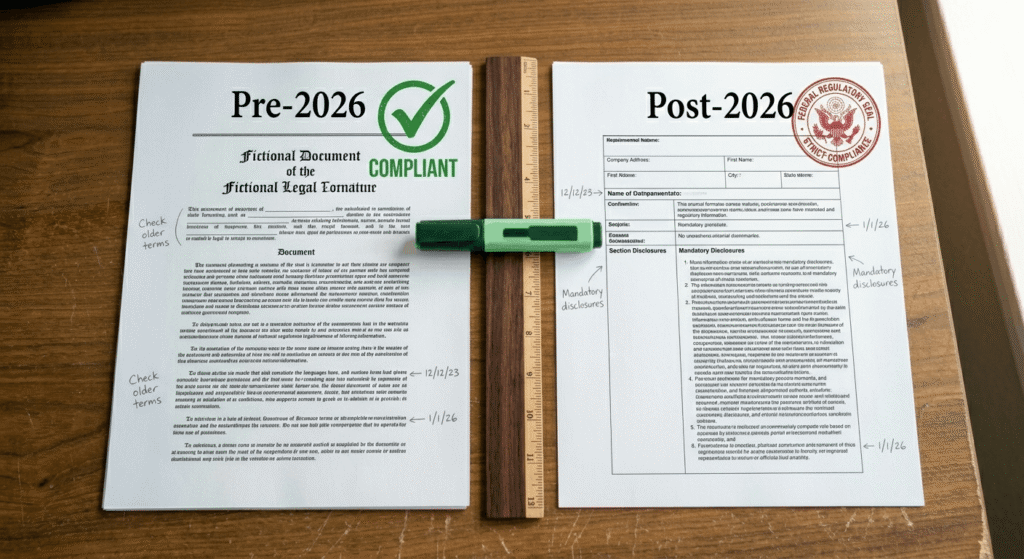
Comparison Table: Pre-2026 vs. Post-2026 THCa Laws
| Feature | Pre-2026 THCa Law | Post-2026 THCa Law (After Nov. 12, 2026) |
|---|---|---|
| Federal hemp definition | <0.3% delta-9 THC by dry weight | <0.3% total THC (delta-9 + 0.877 × THCa) |
| Legality of high-THCa hemp | Widespread under federal loophole | Nearly all current flower becomes noncompliant |
| COA requirement | Prove <0.3% delta-9 THC | Must document <0.3% total THC and batch information |
| Retailer eligibility | Any hemp shop or vendor allowed | Only state-licensed marijuana dispensaries |
| Product variety | Full range: flower, concentrates, etc | Most intoxicating hemp products prohibited |
| Interstate shipping | Legal where state law aligns | Only between licensed cannabis businesses, if allowed |
| Risk of prosecution | Lower, gray market tolerated | High for noncompliant products and businesses |
| Buyer checks | COA and online reviews | Updated COA, licensing, and full product labeling |
Common Mistakes in Navigating THCa Legality
Periods of regulatory transition are frequently accompanied by confusion and costly errors for both businesses and buyers. Here are the most prevalent missteps:
- Believing pre-2026 rules apply indefinitely. After November 2026, delta-9 thresholds are replaced by a “total THC” standard, making almost all current hemp THCa flower illegal.
- Relying on outdated COAs showing only delta-9 THC content. Lab results must reflect total THC content based on the new calculation.
- Assuming state laws are uniform. State rules may differ, with some enacting tighter standards ahead of federal enforcement.
- Purchasing or selling from noncompliant retailers, especially online or unlicensed shops, after the thca ban 2026 begins, leading to potential criminal penalties and product seizure.
- Failing to retain proper documentation such as COAs, receipts, and proof of legal age during purchase or distribution.
- Overlooking the importance of the cultivation source. Only licensed growers will be able to provide compliant material post-ban.
For commercial operations, an effective transition plan and regular review of Terms & Conditions are vital to avoiding financial and legal pitfalls during the hemp ban.
Decision Guide: Is THCa Federally Legal and Should You Buy After 2026?
With enforcement of the THCa ban 2026, is thca federally legal? In nearly all instances, the answer is no. Most hemp-derived THCa flower and concentrates will not meet the “total THC” compliance criteria. The only path to legal purchase or sale runs through state-regulated marijuana dispensaries. Buyers should be vigilant, checking for state licensing and up-to-date lab results before purchasing any thca hemp flower products.
As for wholesale operations, businesses should pivot away from THCa hemp flower and concentrate inventory. Instead, focus on legal alternatives or participate in recreational or medical marijuana programs where state law allows. Regularly consult your supplier’s Terms & Conditions, subscribe to updates from trusted resources, and educate staff and consumers about updated thca law rules and buying practices.
Frequently Asked Questions About THCa Legality in 2026
1 Is THCa federally legal in 2026?
No, after November 12, 2026, the federal government does not consider most THCa hemp flower legal for sale or possession outside of state-licensed cannabis programs. Only items testing under 0.3% total THC—including the contribution from THCa—are permitted. This requirement removes nearly all high-THCa flower from the legal hemp market.
2 Will THCa flower be banned entirely?
Not absolutely. The 2026 “hemp ban” means nearly all hemp-derived THCa flower will be illegal under federal law except in regulated dispensaries or programs. States still control their own policies, but the legal availability of THCa hemp flower will be highly limited and tightly regulated.
3 Can I still buy THCa wholesale after 2026?
Yes, but only if you are operating as a licensed cannabis business in a state that allows such sales. Traditional hemp wholesalers will no longer be able to sell most bulk THCa flower or concentrates legally. Purchases must be documented with current COAs and clear proof of regulatory compliance.
4 Are there any legal loopholes left for THCa products?
There are virtually none. After November 2026, attempts to sell psychoactive levels of THCa by relabeling or modest reformulation are likely to be targeted by regulators. Businesses and buyers should not rely on the gray market for THCa products post-ban.
5 How do I know if THCa is legal in my state?
Refer to your state’s official government website for the latest hemp and cannabis laws, or review summaries from reliable legal resources. Only work with retailers willing to provide proof of licensing and batch-level COAs for all THCa flower and concentrate offerings.
Conclusion
THCa wholesale and retail will undergo sweeping change as the total THC standard is enforced in November 2026. Businesses must act now to secure compliance, update records, and rethink inventory strategies. Consumers searching for thca near me or exploring thca hemp flower options should only consider state-licensed dispensaries, ask for transparent lab documentation, and stay briefed on evolving thca law. By focusing on compliance, education, and safe sourcing from trusted vendors, the industry can navigate the post-2026 landscape and reduce risks from shifting federal and state regulations.