
The cannabis industry landscape shifts constantly, and THCA (tetrahydrocannabinolic acid) sits at the center of one of today’s most complex legal debates. If you’re a wholesaler, retailer, or distributor navigating THCA compliance, understanding where you can legally operate isn’t just good business practice—it’s essential for survival. With state-by-state regulations creating a patchwork of legal frameworks, knowing which states allow THCA and which have banned it can mean the difference between a thriving operation and serious legal consequences.
This comprehensive guide breaks down THCA legality across the United States, examines key state-specific laws, and provides actionable compliance strategies for businesses operating in this evolving market. Whether you’re shipping products across state lines or opening a retail location, you’ll find the clarity you need to make informed decisions.
Understanding THCA Legality: The Federal Framework
Before diving into state-by-state regulations, it’s crucial to understand the federal foundation. THCA is the non-psychoactive precursor to THC found in raw cannabis plants. Under the 2018 Farm Bill, hemp-derived products containing less than 0.3% delta-9 THC are federally legal.
Here’s where it gets complicated: THCA itself is non-intoxicating in its raw form. However, when heated through smoking, vaping, or cooking, THCA converts to psychoactive THC through a process called decarboxylation. This chemical transformation has created significant legal gray areas.
Many businesses initially assumed THCA products derived from compliant hemp were legal nationwide. The reality is far more nuanced, with individual states interpreting the Farm Bill differently and implementing their own restrictions. Some states focus on the final THC content after decarboxylation, while others regulate THCA as a controlled substance regardless of its source.
States Where THCA Is Currently Legal
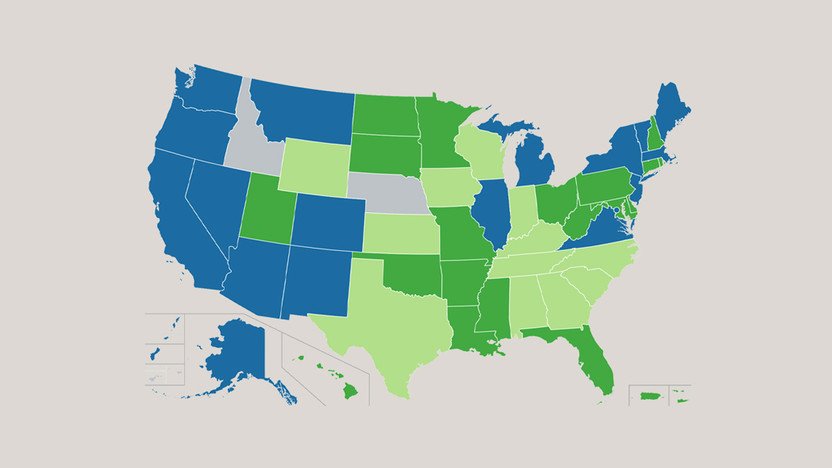
As of late 2024, THCA products remain legal in most states that haven’t specifically addressed or banned them. These states generally allow hemp-derived THCA under the federal Farm Bill framework, provided products meet the 0.3% delta-9 THC threshold in their raw form.
States with relatively clear THCA-friendly regulations include:
Permissive States:
- Colorado (with established hemp regulations)
- Oregon (mature cannabis market)
- Nevada (allows both recreational cannabis and hemp derivatives)
- Michigan (comprehensive cannabis framework)
- Oklahoma (hemp-friendly legislation)
- Maine (permits hemp-derived cannabinoids)
These states typically have mature cannabis or hemp industries with regulatory frameworks that accommodate THCA. However, wholesalers should still verify local ordinances, as some municipalities impose additional restrictions even within permissive states.
Important consideration: Just because a state hasn’t banned THCA doesn’t guarantee complete freedom. Many states occupy a legal gray zone where THCA isn’t explicitly illegal but lacks clear regulatory guidance. This ambiguity can create compliance challenges for wholesalers who need certainty for long-term business planning.
States With THCA Bans or Restrictions
Several states have moved aggressively to regulate or ban THCA products, viewing them as loopholes that circumvent marijuana laws. Understanding these restrictions is critical for avoiding costly legal problems.
Georgia THCA Laws: A Case Study in Evolving Regulations
Georgia represents one of the most discussed cases in THCA regulation. In 2024, Georgia lawmakers took significant steps to address hemp-derived intoxicating cannabinoids, including THCA.
Georgia THCA ban update: The state passed legislation that effectively restricts THCA products by focusing on total THC content (including THCA that converts to delta-9 THC when heated). Under Georgia’s updated framework, products must comply with strict potency limits, and many THCA flower products that previously occupied retail shelves no longer meet legal standards.
For wholesalers, this means Georgia requires careful product testing and documentation. You cannot simply rely on raw delta-9 THC percentages. Instead, products must account for potential THC conversion, dramatically limiting what can be sold legally in the state.
Georgia’s approach signals a broader trend: states are closing perceived loopholes by regulating total potential THC rather than just the delta-9 content in raw products.
California THCA Laws: Stricter Than You’d Expect
Despite California’s reputation as a cannabis-friendly state, California THCA laws present unique challenges. The state operates a highly regulated cannabis market, and THCA products exist in a complicated space between hemp and marijuana regulations.
California’s Department of Cannabis Control has indicated that THCA-rich products intended for smoking or vaping may fall under marijuana regulations, regardless of their hemp origin. This interpretation means many THCA products require state cannabis licensing to sell legally, placing them outside the reach of hemp-only businesses.
For wholesalers operating in California:
- Verify whether your products fall under cannabis or hemp regulations
- Consider partnership with licensed cannabis distributors for certain product lines
- Maintain detailed lab testing showing compliance with applicable frameworks
- Stay updated on regulatory guidance, which continues evolving
Other States With THCA Restrictions
Additional states that have banned or heavily restricted THCA include:
- Minnesota: Implemented total THC limits that restrict most THCA flower products
- Louisiana: Banned intoxicating hemp derivatives, including THCA
- Tennessee: Proposed and debated restrictions on THCA sales
- Arkansas: Limited hemp-derived intoxicating products
- Kentucky: Implemented age restrictions and potency limits
The common thread? These states recognize that THCA converts to intoxicating THC and have adjusted their laws accordingly. They’re not willing to allow products that produce marijuana-like effects simply because they’re derived from legal hemp.
Navigating Interstate Shipping and Commerce
Is THCA illegal to ship across state lines? The answer depends entirely on your destination state’s laws. Federal law permits interstate commerce of compliant hemp products, but state laws create practical barriers.
Best practices for THCA wholesalers:
- Maintain state-by-state compliance documentation: Create a matrix tracking which products are legal in which states, updated quarterly at minimum.
- Implement shipping restrictions: Configure your distribution systems to block shipments to states with bans or unclear regulations.
- Partner with legal counsel: Work with attorneys who specialize in cannabis and hemp law across multiple jurisdictions.
- Use compliant carriers: Some shipping companies have policies restricting cannabis-adjacent products regardless of legal status.
- Document everything: Maintain certificates of analysis (COAs), compliance certifications, and legal opinions for every market you serve.
Shipping violations can result in product seizures, fines, and criminal charges. The risk isn’t worth the reward when operating in legally questionable territories.
Compliance Strategies for THCA Wholesalers and Retailers
Successful THCA businesses don’t just react to regulations—they build compliance into their operational DNA. Here’s how to create a sustainable compliance framework:
Product Testing and Documentation
Third-party lab testing is non-negotiable. Your COAs should include:
- Total THC content (delta-9 THC plus THCA multiplied by 0.877, the conversion factor)
- Full cannabinoid profiles
- Contaminant testing (pesticides, heavy metals, microbials)
- Batch-specific documentation linked to every shipment
Regular testing catches compliance issues before they become legal problems. Test every batch, not just representative samples.
Relationship Building With Regulators
Proactive communication with state regulatory agencies can prevent misunderstandings. When entering new markets, consider:
- Requesting written guidance on product classification
- Participating in industry associations that engage with regulators
- Attending public comment periods for proposed regulations
- Maintaining transparent communication if questions arise
Regulators appreciate businesses that seek clarity rather than exploiting ambiguity.
Adaptive Business Models
The smartest THCA wholesalers build flexibility into their operations. This might include:
- Developing compliant product formulations for restrictive states
- Creating region-specific product lines
- Maintaining relationships with licensed cannabis distributors for markets requiring dual licensing
- Investing in reformulation capabilities when regulations shift
Your ability to adapt quickly determines whether regulatory changes represent catastrophic losses or minor inconveniences.
The Future of THCA Regulation: What Wholesalers Should Anticipate
Regulatory trends suggest increasing scrutiny of THCA products nationwide. Several developments merit attention:
Total THC testing requirements will likely become standard across more states, similar to Georgia’s approach. This means products currently marketed as “hemp-derived” may no longer meet legal definitions if their total potential THC exceeds thresholds.
Age restrictions and retail limitations are expanding, with more states implementing 21+ requirements and restricting sales to licensed retailers only.
Federal clarification may eventually come through FDA regulation or congressional action, though the timeline remains uncertain. Until then, state-level inconsistency will persist.
Enforcement is intensifying as states recognize THCA’s popularity and economic impact. Expect more compliance inspections, product testing, and enforcement actions against non-compliant businesses.
Is THCA legal in your target markets today? Perhaps. Will it remain legal under the same conditions next year? That’s increasingly uncertain, making ongoing monitoring essential.
Key Takeaways for THCA Businesses
Navigating THCA legality requires vigilance, flexibility, and commitment to compliance. The question “what states is THCA illegal” doesn’t have a simple answer because regulations continue evolving rapidly.
Remember these fundamental principles:
- Federal legality doesn’t guarantee state-level permission
- Total THC calculations matter more than raw delta-9 percentages
- Shipping requires state-by-state compliance verification
- Proactive compliance prevents expensive legal problems
- Regular legal consultation isn’t optional—it’s essential
The THCA market offers tremendous opportunities for wholesalers who approach it strategically. By understanding where products are legal, maintaining rigorous compliance standards, and adapting to regulatory changes, your business can thrive even in this complex landscape.
Ready to ensure your THCA business stays compliant? Subscribe to our newsletter for monthly regulatory updates, or consult with our compliance team to audit your current operations and identify potential risks before they become problems.