Quick Answer Box: The entourage effect explained simply refers to how cannabinoids and terpenes in cannabis interact to produce stronger, more balanced effects than single compounds alone. This cannabinoid synergy is key to why full spectrum products help conditions like pain and anxiety more efficiently than isolated components, leading to richer therapeutic results.
What is the Entourage Effect?
The entourage effect describes the unique synergy that arises when different cannabis compounds, notably phytocannabinoids and terpenes, jointly influence the body to produce more significant effects than any single compound might alone. This phenomenon explains why full-spectrum cannabis and hemp products, containing varied phytocannabinoids and terpenes, deliver more comprehensive benefits than isolates, enhancing relief for pain, anxiety, and more.
The Science Behind the Entourage Effect Explained
The term “entourage effect” was coined by Dr. Raphael Mechoulam and Dr. Shimon Ben-Shabat in 1999 to highlight how components of cannabis work together to amplify or modify the plant’s effects. Full-spectrum extracts not only deliver multiple cannabinoids but also introduce terpenes that can adjust how these cannabinoids behave in the body. A landmark Israeli clinical trial in 2025 demonstrated that a full-spectrum CBD/THC extract achieved a 62% pain reduction versus just 39% with CBD isolate.
Preclinical evidence shows certain terpenes can impact cannabinoid receptor sensitivity and even cross the blood-brain barrier, influencing uptake and response. For example, β-caryophyllene and α-pinene have been shown in animal studies to help counteract some negative side effects of THC, such as impaired memory or elevated anxiety. These combined effects—often called cannabinoid synergy—result from complex interactions within the endocannabinoid system.
While human studies are still developing, patient testimonials and early clinical research suggest that full-spectrum products can more reliably address a variety of conditions. These findings have driven an industry-wide shift: an increasing segment of patients and consumers are seeking whole-plant or full-spectrum options for a broader therapeutic reach. Scientific journals like the Journal of Cannabis Research and authorities like the National Institutes of Health (NIH) continue to call for expanded research, especially to determine optimal combinations and dosages of cannabinoids and terpenes for different health conditions.
What Makes the Entourage Effect So Distinctive?
Cannabinoid synergy is not just additive but often produces new or intensified effects that singular compounds cannot achieve by themselves. This includes unexpected therapeutic benefits or the attenuation of unwanted side effects, underscoring why both researchers and practitioners focus on whole-plant medicine.
Key Players: Phytocannabinoids and Terpenes
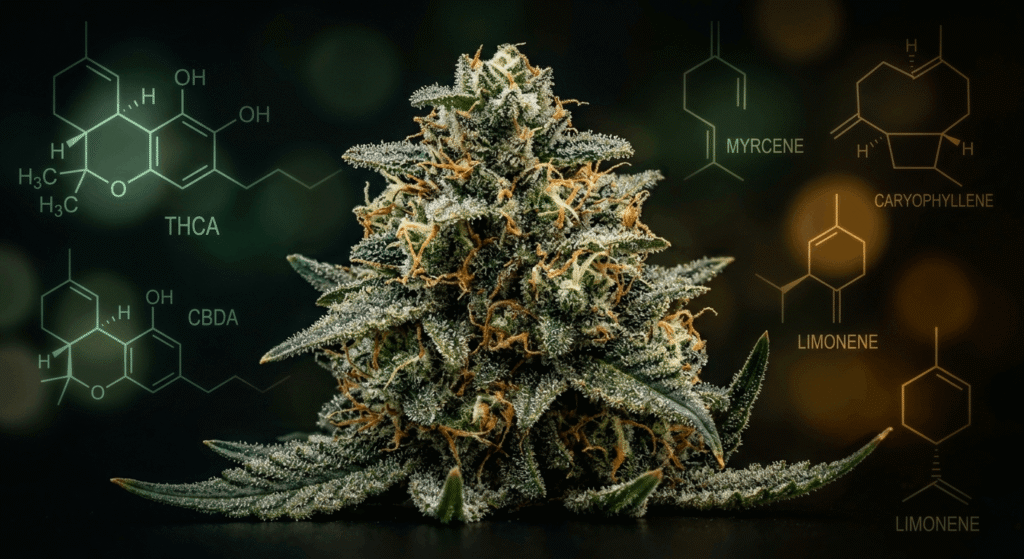
Cannabis plants synthesize over one hundred phytocannabinoids and more than two hundred terpenes. Each compound brings unique roles, but understanding their combined potential is crucial for fully grasping the entourage effect.
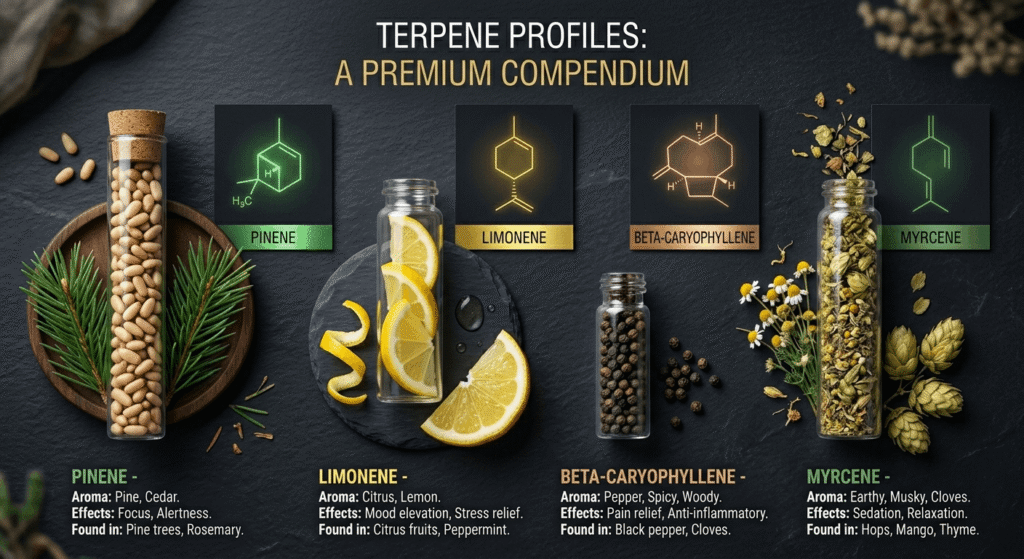
- Phytocannabinoids:THC (Delta-9-tetrahydrocannabinol): Responsible for cannabis’s psychoactive “high,” but also vital for pain relief, appetite stimulation, and relaxation.
- CBD (Cannabidiol): Non-intoxicating; known for anti-inflammatory, anti-anxiety, and seizure-suppressing properties, as well as for reducing adverse effects of THC.
- CBG (Cannabigerol): Considered the precursor (“mother cannabinoid”) to THC, CBD, and other cannabinoids. CBG is under study for neuroprotective and anti-inflammatory effects.
- CBN (Cannabinol): Mildly psychoactive, resulting from aged THC; thought to promote sleep and offer gentle sedation.
Major Terpenes:
- Myrcene: Imparts an earthy, musky scent. Myrcene is linked to sedation and muscle relaxation, making it a top choice in strains preferred for sleep support.
- Limonene: Recognizable for its citrus aroma, this terpene is associated with mood elevation and stress relief, often found in products targeting anxiety.
- Pinene: Has a pine scent, can preserve mental clarity, and counteract the short-term memory effects of THC.
- Beta-Caryophyllene: Spicy and peppery in flavor, caryophyllene stands out as the only terpene known to bind directly to CB2 cannabinoid receptors, supporting anti-inflammatory and analgesic activities.
While each cannabinoid and terpene is unique, their interplay is where cannabis’s therapeutic potential is maximized, illustrating the importance of both phytocannabinoids and a diverse terpene profile.
Diversity and Composition Matter
The exact blend of phytocannabinoids and terpenes determines the therapeutic properties and side effect profile of a cannabis product. Full-spectrum flowers and concentrates present more robust and consistent results due to their rich compositions.
How Cannabinoids and Terpenes Work Together
Cannabinoid synergy means that different cannabinoids and terpenes, when consumed together, create amplified or modified effects compared to when taken alone. Terpenes’ interactions with the body’s endocannabinoid receptors alongside their own biological influences modify how primary cannabinoids like THC and CBD activate or calm the nervous system.
Examples of Cannabinoid and Terpene Interactions:
- THC + CBD: CBD can significantly ease intoxication and anxiety linked to THC, making the experience gentler and more approachable for therapeutic users.
- THC + Myrcene: This pairing increases sedation and sleep quality, appealing to those with insomnia or chronic pain.
- CBD + Limonene: Provides stronger calming benefits and improved mood regulation.
- THC + Pinene: Helps maintain focus and memory, even in high-THC products, thanks to pinene’s neurological properties.
Research from the 2025 Terpene-Synergy Project confirmed that incorporating β-caryophyllene and α-pinene into formulations can offset the cognitive drawbacks sometimes seen with THC-dominant strains. This explains why users searching for natural support with fewer side effects are increasingly choosing full-spectrum products that combine cannabinoids and terpenes for tailored relief.
Full-Spectrum, Broad-Spectrum, and Isolate Products: What’s the Difference?
Cannabis and hemp products fall into three main types, each contributing differently to the entourage effect explained above.
Full-Spectrum
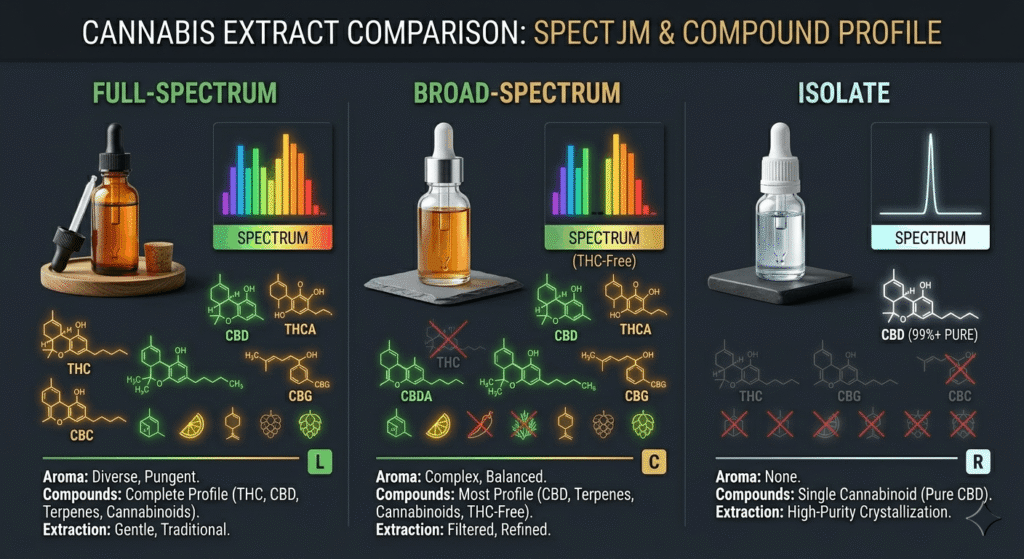
Full-spectrum formulas encompass the complete array of phytocannabinoids and terpenes inherent to the cannabis plant, including trace THC (up to 0.3% for hemp). These products provide the most fertile ground for cannabinoid synergy and, therefore, the strongest entourage effect.
Broad-Spectrum
Broad-spectrum options retain multiple cannabinoids and terpenes while eliminating THC entirely. This format aims to preserve most of the entourage effect, though some research and user experiences suggest the absence of THC slightly diminishes results.
Isolates
Isolate products focus solely on a single compound, such as pure CBD or THC, removing all other cannabinoids and terpenes. While offering predictability and compliance advantages, isolates do not deliver the entourage effect and are often less effective for complex therapeutic outcomes.
For those seeking maximum benefit, full-spectrum oils, flowers, and a range of concentrates including badder, live resin, and crumble are favored. Understanding these distinctions is also key for compliance. To discover more, visit the about page for product sourcing and background information.
Full-Spectrum vs Isolate Legality USA
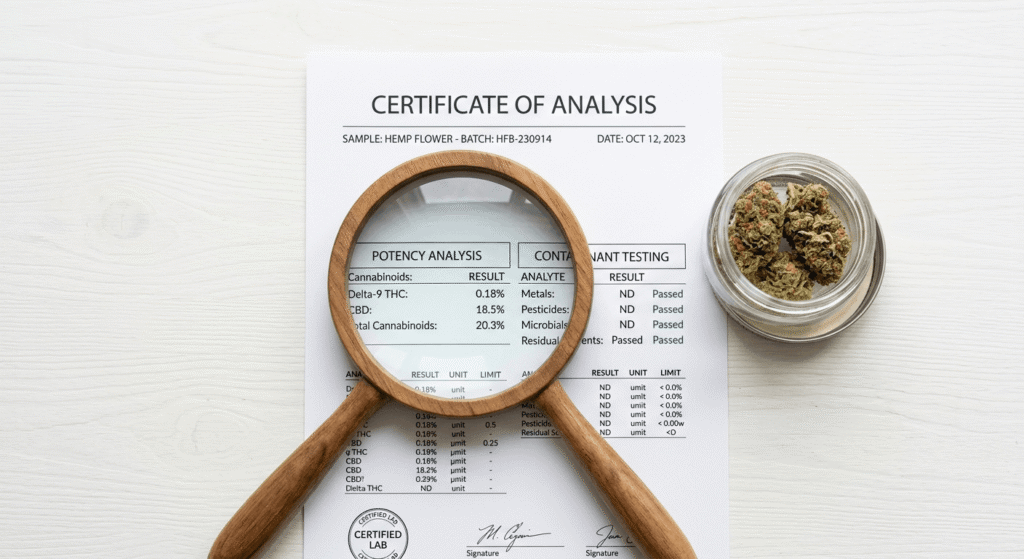
It’s essential to be aware that legal status varies. While hemp-based full-spectrum products with under 0.3% THC are federally permitted in the United States, marijuana-derived full spectrum may fall under stricter rules depending on state laws. You can find updated regulations at official USA laws and regulations, and review product Certificates of Analysis (Lab Results) to ensure safety and compliance.
Maximizing the Entourage Effect for Consumers
To make the most of the entourage effect, consumers should follow practical and mindful steps to select the right cannabis products. Here’s a step-by-step guide:
- Understand Your Goals
Identify what you hope to achieve, such as pain management, sleep support, or anxiety reduction. - Research Phytocannabinoids and Terpenes
Learn the effects of key phytocannabinoids like THC, CBD, CBG, and CBN, and familiarize yourself with primary terpenes myrcene, limonene, pinene, caryophyllene relevant to your needs. - Choose Full-Spectrum or Broad-Spectrum Products
When legal and suitable for your needs, select full-spectrum products to access maximum cannabinoid synergy. Always check for third-party lab results for transparency. - Evaluate Product Type and Delivery System
Decide if you prefer inhaled products (flower), sublingual oils, edibles, or concentrate forms like hash, rosin, distillate, and sugar. - Examine Terpene Content
Check product labels or lab results for terpene profiles, and look for those with your desired terpenes (e.g., myrcene for sleep, limonene for mood). - Start Low and Go Slow
Begin with a small dose when using potent or unfamiliar full-spectrum products, as effects can be stronger than with isolates. - Adjust Based on Response
Take notes on your experiences, and adjust your choice of strain, terpene content, or cannabinoid ratio to suit your feedback. - Consult Expert and Educational Resources
Explore educational blogs or consult with knowledgeable staff for up-to-date guidance, and use topical guides like the “terpene profile selection guide” to focus your selection process. - Monitor Legal Requirements
Stay informed on current laws and regulations locally and nationally (official laws and regulations) before purchasing or traveling with products.
How to Read Cannabis Lab Results
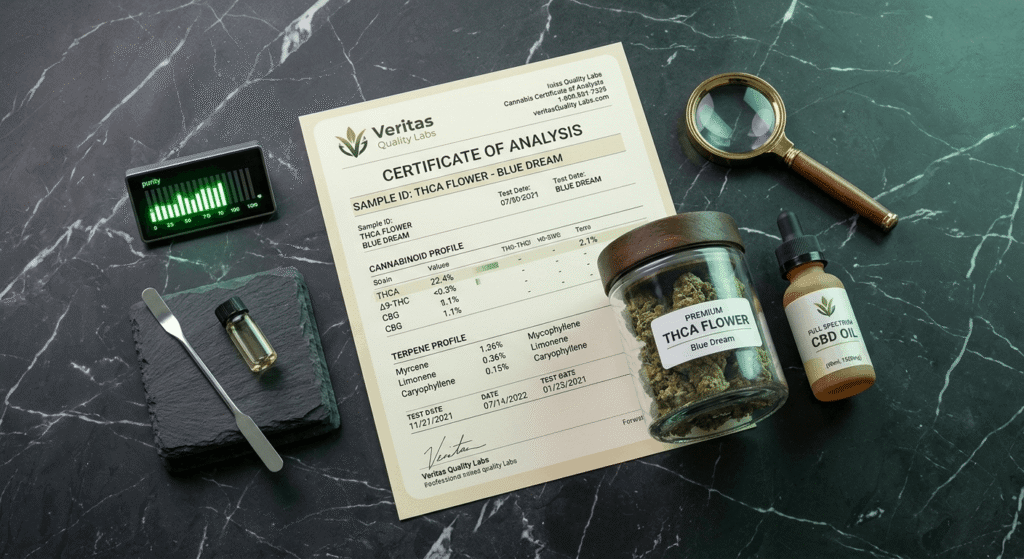
Understanding lab results is critical for confirming the phytocannabinoid and terpene content in any product. These reports detail the exact percentages of THC, CBD, CBG, CBN, and major terpenes like myrcene, limonene, pinene, and caryophyllene, helping you select products that maximize the entourage effect explained here.
Popular Cannabinoid and Terpene Combinations
| Cannabinoid(s) | Terpene(s) | Associated Benefits | Evidence/Notes |
|---|---|---|---|
| THC + CBD | Myrcene | Pain relief, reduced side effects | Full-spectrum trials, user reports |
| THC | Pinene | Maintained memory, alertness | Behavioral studies (Vigil Index, 2025) |
| CBD | Limonene | Calming, mood enhancement | Anecdotal and lab evidence |
| THC | Caryophyllene | Anti-inflammatory, less anxiety | Receptor binding studies |
| CBG + CBD | Pinene, Limonene | Neuroprotection, mental clarity | Early research, consumer data |
| THC + CBN | Myrcene | Sedative, sleep support | Patient and clinical feedback |
Medical and Therapeutic Potential of the Entourage Effect
Scientific evidence and anecdotal feedback both highlight that the entourage effect offers stronger, broader, and more dose-efficient relief. In the pivotal 2025 Israeli trial, patients using full-spectrum extracts reported 62% pain reduction, compared to just 39% with isolates, indicating superior results and potentially lower required dosages. This holistic approach can decrease side effect risks while also reducing therapeutic costs.
The entourage effect, particularly when combining phytocannabinoids and terpenes, is associated with improved pain management, mood stabilization, better sleep, anti-inflammatory effects, increased mental clarity, and cognitive support. For example, using CBD or caryophyllene can reduce THC-triggered anxiety, while pinene helps maintain focus even in high THC regimes.
These advantages explain why both the medical and wellness communities are steadily embracing full spectrum and broad spectrum products. However, reputable agencies such as the NIH and NIDA urge continued research with large scale human trials, as much of the evidence to date stems from animal models, small studies, or patient-reported experiences.
Tailoring Cannabis Therapy to Individual Needs
The right combination of cannabinoids and terpenes should always reflect your specific goals—whether managing chronic pain, anxiety, sleep disturbances, or cognitive needs. Personalized cannabis routines offer the best chance at leveraging the entourage effect.
Common Mistakes When Trying to Experience the Entourage Effect
Many consumers unintentionally limit their potential outcomes by:
- Focusing solely on isolates, thus missing the synergistic benefits of other cannabinoids and terpenes.
- Ignoring terpene content when evaluating products, which can mean missing out on benefits from myrcene, limonene, caryophyllene, and pinene.
- Misreading or overlooking product labels, sometimes selecting “broad-spectrum” products with negligible terpene or minor cannabinoid content always demand verified Lab Results.
- Assuming that every strain works the same way, disregarding how unique chemical balances shape user experience.
- Not tracking usage patterns, meaning there is no way to refine your personal cannabis approach.
- Neglecting current laws, which can lead to accidentally purchasing or possessing products not allowed under your local legal guidelines use official regulations as your reference.
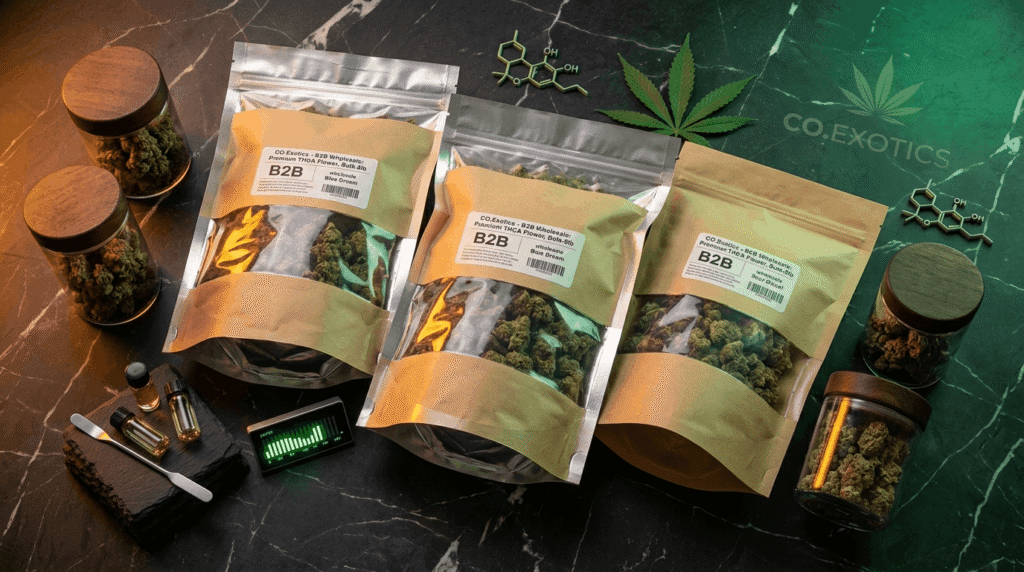
For the strongest benefits, prioritize full-spectrum or broad-spectrum products that provide a robust, diverse chemical profile and ensure your suppliers meet rigorous lab testing standards. If you’re considering wholesale or bulk orders, review Wholesale Pricing for volume options and compliance resources.
FAQs
1. Is the entourage effect real or just a theory?
Recent clinical studies and market data, particularly a 2025 Israeli trial, have shown real, measurable advantages to the entourage effect. While substantial scientific support exists, agencies like the NIH consider it a working hypothesis that will benefit from more comprehensive human trials to determine optimal dosing and compound combinations.
2. How do I know which terpenes or cannabinoids are best for me?
The best approach is to define your wellness priorities, then review lab results for products highlighting desired cannabinoids and terpenes. Factors like your need for sleep (myrcene) or anxiety relief (limonene, CBD) guide your choices, but experimentation and consultation with experts or reputable blog sources remain invaluable.
3. Do all cannabis strains produce the entourage effect?
Not all do. The entourage effect requires meaningful concentrations of multiple phytocannabinoids and terpenes working together. Some strains may be dominated by one or two cannabinoids and have sparse terpene diversity—use lab-tested or certified products for best results.
4. Can the entourage effect reduce unwanted side effects?
Yes, research and user experiences indicate combining CBD or specific terpenes like caryophyllene and pinene with THC can temper side effects such as anxiety or mental fog. Full-spectrum and broad-spectrum products are especially effective at this, delivering targeted relief through cannabinoid synergy.
5. Is the entourage effect legal everywhere?
Legality depends on your location. In the United States, products made from hemp (under 0.3% THC) are federally lawful, but marijuana-based items may be controlled by state law. Always confirm your local policies through reliable sources and links to official USA government laws and regulations before making a purchase.
Conclusion
The entourage effect explained through theory, laboratory findings, and market feedback reveals that a harmonious combination of phytocannabinoids and terpenes delivers broader, more effective relief than single-compound options. Ongoing research will further define optimal cannabinoid synergy, allowing consumers and patients ever more customized, potent, and affordable therapies. As you explore the possibilities of full-spectrum cannabis, focus on product transparency, rigorously tested lab results, and lawful, reputable sources to experience the fullest potential of the entourage effect.