Quick Answer Box: THCA flower contains hemp buds rich in tetrahydrocannabinolic acid, which transforms into THC after heating. Outdoor, greenhouse, and indoor THCA flower differ most in quality, potency, and price due to their unique cultivation methods. Understanding the differences will help you select the best option for your personal, bulk, or wholesale needs.
What is THCA Flower?
THCA flower refers to cannabis or hemp buds that are high in tetrahydrocannabinolic acid (THCA), the non-psychoactive precursor to THC. When heated, THCA converts to psychoactive delta-9 THC, the cannabinoid responsible for cannabis’s traditional effects. In its unheated form, THCA flower is consumed for various benefits, sought after by many for its unique profile among cannabinoid products.
Outdoor, Greenhouse & Indoor THCA Flower: Key Differences
Outdoor, greenhouse, and indoor THCA flower represent three distinct cultivation styles, each shaping the product’s cannabinoid content, terpene profile, appearance, and accessibility. For consumers and wholesale THCA flower buyers, recognizing these differences can influence not just aroma, potency, and effect, but also price, trichome coverage, and consistency.
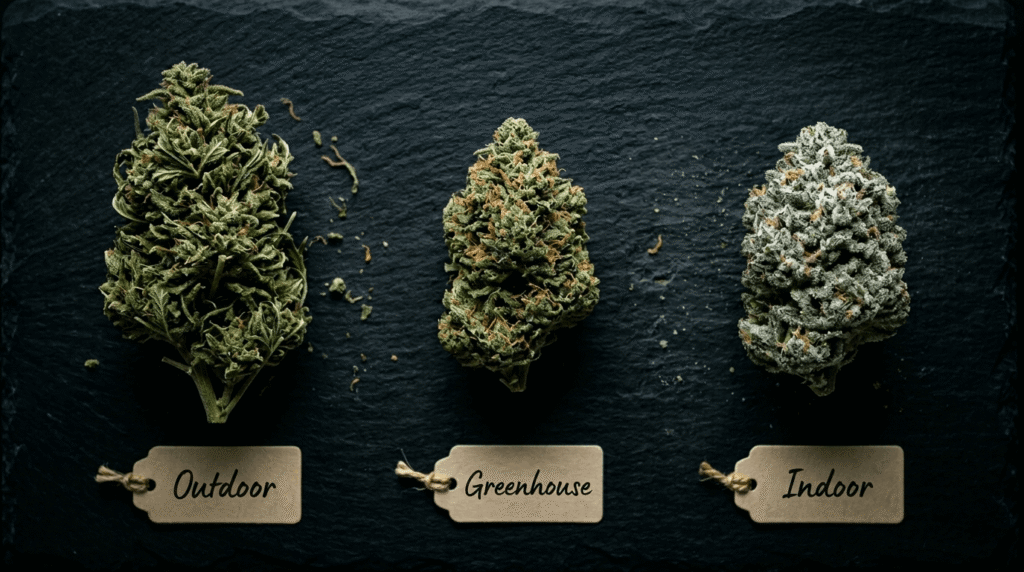
Outdoor-grown THCA flower develops in open air and natural sunlight, absorbing regional terroir for robust and earthy aromas. Greenhouse flower leverages the sun while enabling growers to manipulate temperature and humidity, blending natural and controlled influences. Indoor flower is cultivated under strictly regulated lighting and climatic conditions, producing visually striking buds with highly concentrated cannabinoids and trichomes.
Each cultivation approach ultimately impacts overall potency, trichome density, aroma, and price. Understanding the nuances between outdoor, greenhouse, and indoor THCA flower helps both individual users and bulk THCA flower buyers make informed decisions based on their specific needs.
How THCA Flower is Grown: Outdoor, Greenhouse & Indoor Cultivation Explained
Cultivation of THCA hemp flower can be categorized into three primary methods, each with its own operational style and results.
Outdoor cultivation:
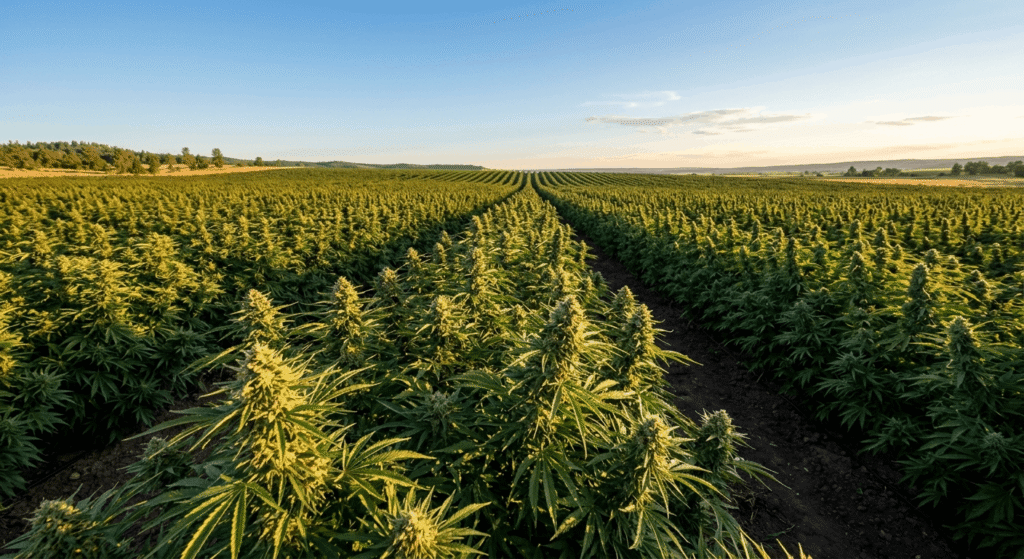
Seeds or clones are planted directly in living soil, thriving under the natural sun and rainfall. These plants develop unique cannabinoid and terpene profiles as they respond to local climates and environmental challenges. Typically, outdoor farms complete one major harvest annually in late autumn, making seasonal planning critical. Outdoor-grown THCA flower often reflects regional characteristics and can deliver rich, earthy flavors.
Greenhouse cultivation:
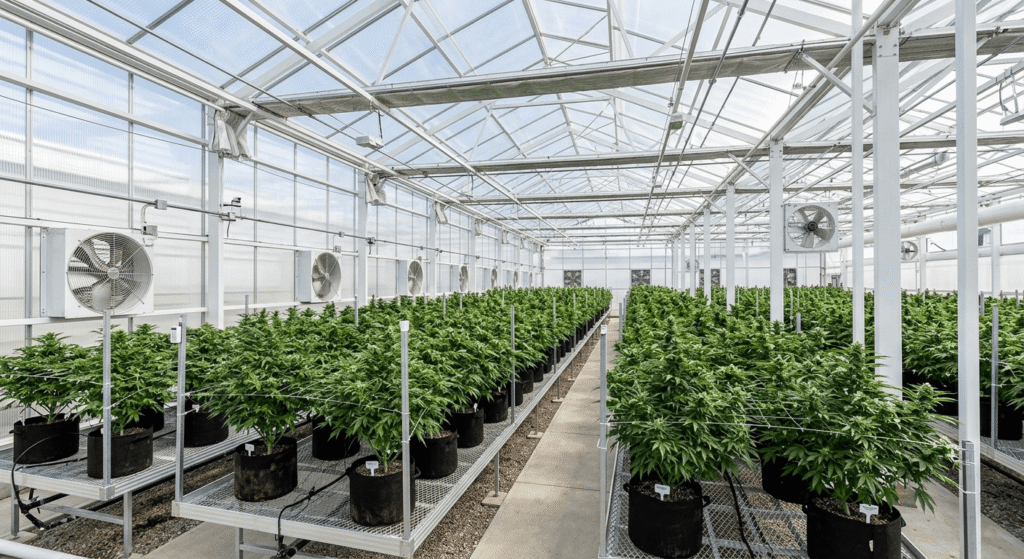
Growers use protective structures with transparent or translucent panels to harness the sun’s spectrum while mitigating environmental extremes. Greenhouses allow adjustments to temperature, humidity, and pest control to support healthier, more vigorous plants. With supplemental lighting, greenhouse operations can schedule multiple harvests per year, leading to greater product availability. The result is a hybrid of natural sun-driven growth and environmental regulation.
Indoor cultivation:
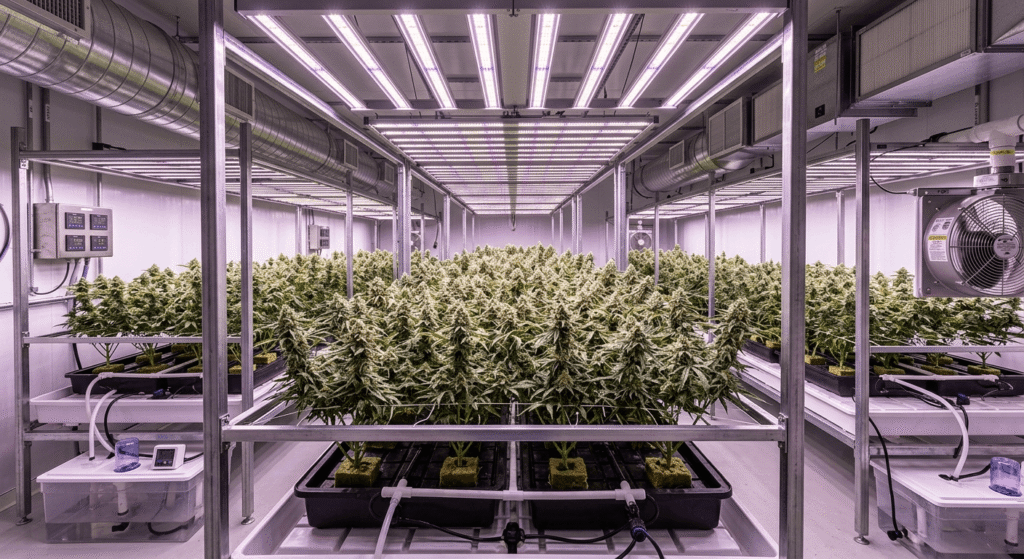
Operating entirely indoors, cultivators create an optimal artificial climate using advanced systems, such as LED lights, hydroponics, and precision HVAC. This total control over environment makes possible four or more harvests per year and consistently high cannabinoid levels. Indoor-grown THCA flower is celebrated for its dense structure, vibrant color, exceptional trichomes, and superior “bag appeal.”
Each method leaves a distinguishable mark on the flower’s aroma, color, chemical makeup, and overall quality. These differences affect not only consumer preferences but also retailer and distributor decisions regarding inventory reliability and pricing.
Impact of Cultivation on Bulk and Wholesale THCA Flower Supply
For those sourcing bulk or wholesale THCA flower, understanding how cultivation method influences both product characteristics and supply consistency is crucial. Outdoor operations can provide large yields at low cost but may experience variable quality from season to season. Greenhouse systems deliver increased stability and allow adjustment for customer demand. Indoor grows promise peak consistency, making them popular among retailers seeking uniform batches with notable trichome density and visual appeal.
Comparing Potency, Aroma, and Quality: Outdoor vs. Greenhouse vs. Indoor THCA Flower
Potency, aroma, and quality are directly shaped by growing methods, influencing every aspect from lab results to consumer appeal.
- Potency: Indoor THCA flower leads in THC-A concentration, regularly testing at 22–35%. Greenhouse grown typically yields 18–30%, while outdoor flower thanks to improved genetics and farming practices often achieves 14 to 22%. The growing environment and input quality can push these boundaries, making lab tested THCA flower essential for buyers wanting assurance of potency.
- Aroma & Terpene Profile: Outdoor THCA hemp flower showcases a broad spectrum of terpene profile and aromas, heavily influenced by soil, air, sunlight, and local microorganisms. This “terroir” generates complex scents and flavors often prized by enthusiasts. Indoor flower’s controlled environment allows for targeted terpene development, resulting in sharper, more focused profiles, though sometimes at the expense of complexity. Greenhouse options offer a blend, with some outdoor “earthiness” and the refinement of selective control.
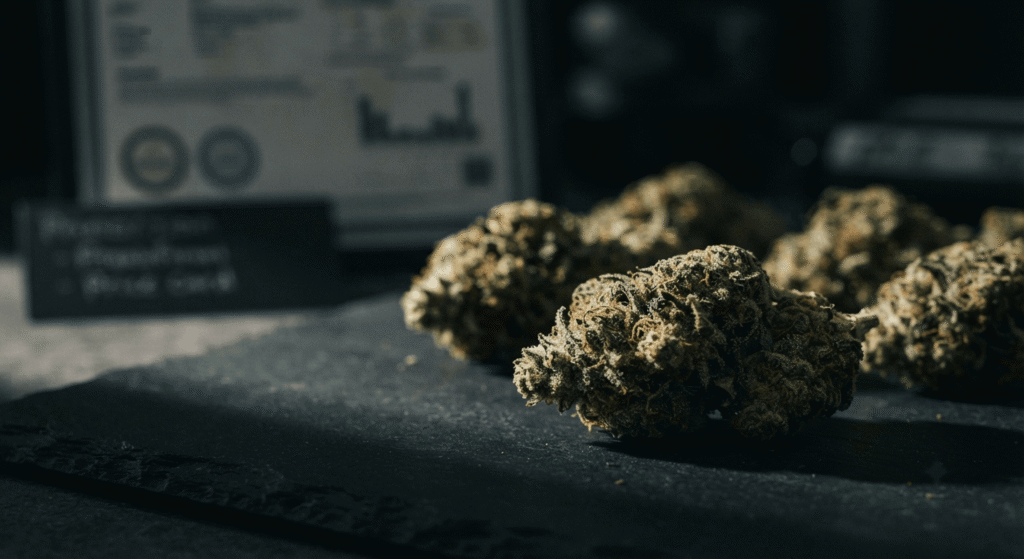
- Bud Appearance, Trichomes & Consistency: Visually, indoor flower ranks highest, producing dense buds loaded with sparkling trichomes and eye-catching color. Greenhouse buds are generally medium-dense and balanced in appearance, while outdoor buds are larger and lighter, occasionally showing signs of weathering. Trichomes, a measure of both potency and visual quality, tend to be most concentrated indoors and well-developed in greenhouses, with varied but often robust expression outdoors.
For bulk THCA flower sourcing, consistency is a prime concern. Indoor cultivation creates the most predictable batches, while greenhouse and improved outdoor techniques are closing the gap, particularly for those seeking balance between quality, value, and environmental responsibility.
Terpene Profile and Aroma Considerations for Retailers
A vibrant terpene profile significantly enhances the consumer experience of THCA flower. Retailers should consider how cultivation methods affect both aroma and taste, as many customers select buds based on fragrant notes and complexity linked to individual growing environments.
Potency, Price & Characteristics
| Cultivation Method | Typical Potency (THCA) | Price per lb (2026) | Number of Harvests/year | Environmental Impact | Bud Appearance |
|---|---|---|---|---|---|
| Outdoor | 14–22% | $200–$600 | 1 | Lowest | Airy, weathered, large |
| Greenhouse | 18–30% | $400–$900 | 2–3 | Moderate | Medium, mostly controlled |
| Indoor | 22–35% | $800–$2,000+ | 4+ (year-round) | Highest | Dense, frosty, vivid color |
*Outdoor flower has 40–60% lower production costs compared to indoor. Recent advancements in genetics have led to significant increases in outdoor potency and trichome development.*
Buying in Bulk: Bulk and Wholesale THCA Flower Considerations
Selecting bulk THCA flower or purchasing at wholesale scale requires careful evaluation of price, lab testing, and overall quality. Outdoor grown flower typically offers the best price per pound, with greenhouse batches filling the middle tier and indoor flower priced at a premium for its consistency and visual standards.
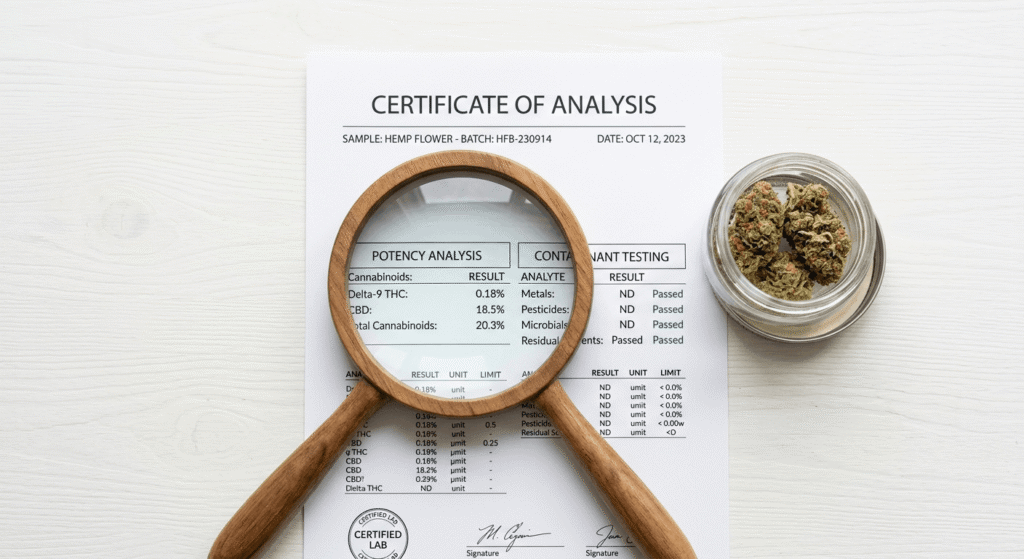
Lab tested THCA flower should be non-negotiable for all buyers. Current Certificates of Analysis (COAs) verify potency, major cannabinoids, and legal status under the 2018 Farm Bill (≤0.3% delta-9 THC). Before finalizing a wholesale THCA flower order, always obtain this documentation and physically review the Lab Results provided. The Certificate of Analysis should include not just THCA but also a full cannabinoid breakdown and contaminant screening.
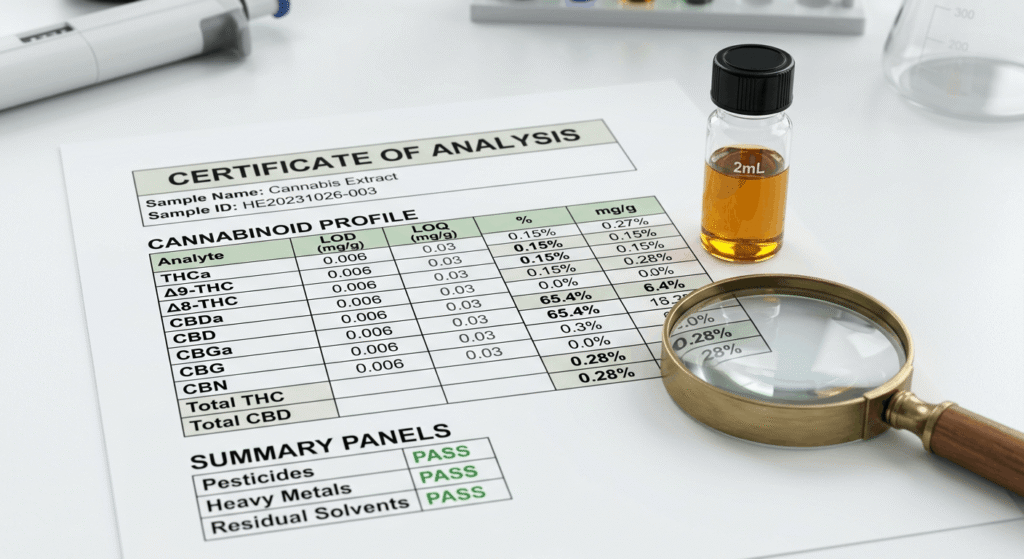
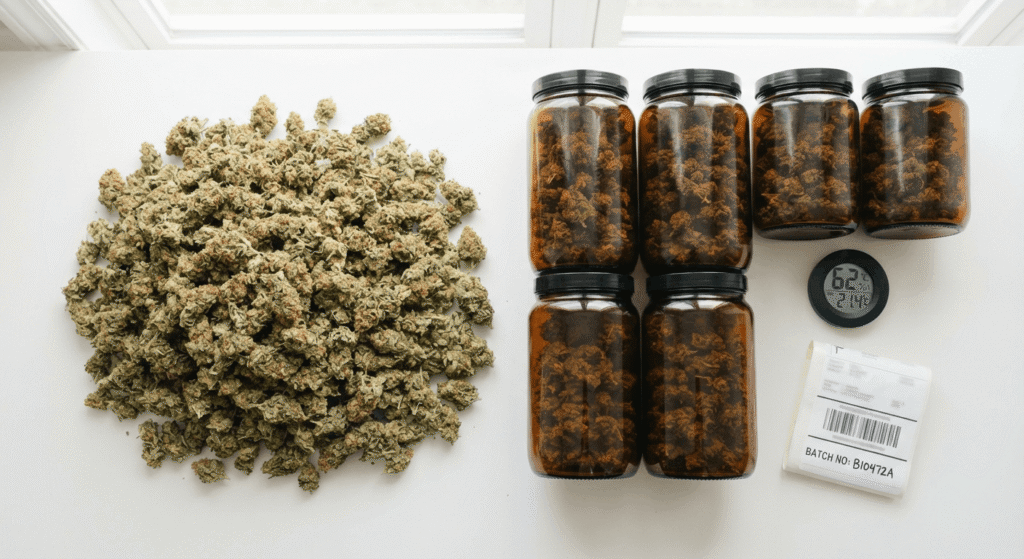
Proper storage for wholesale and bulk THCA flower is essential. Outdoor and greenhouse buds often handle environmental variation better due to denser, traditional curing, but all types need airtight, humidity-controlled packaging and protection from light and high temperatures to maintain potency and aroma through transit and shelving.
To ensure broad variety and the most competitive pricing, refer to the current flowers inventory and use the wholesale pricing guide for up-to-date bulk discount structures. Consult the Shop page to explore additional product options, including THCA concentrates and specialty items.
How to Choose the Best THCA Flower
Selecting the right THCA flower goes beyond strain preference. Use these steps to guarantee a top-quality, compliant, and enjoyable experience whether you seek personal use, bulk THCA flower, or retail stocking:
- Define Your Purpose: Are you most interested in high potency, aromatic experience, lower cost, or sustainable cultivation practices?
- Request and Review Lab Reports: Insist on a recent Certificate of Analysis (COA) for any THCA hemp flower, especially in bulk or wholesale lots, to confirm cannabinoid content, terpenes, and compliance.
- Consider Cultivation Method: Indoor offers unmatched consistency and bag appeal, outdoor emphasizes robust flavor and natural “terroir,” while greenhouse provides a harmonious balance.
- Assess Terpene Profile and Aroma: A complex terpene profile correlates with both vibrant aroma and anticipated effects; consult lab reports when available.
- Check Bud Appearance and Trichome Coverage: Inspect color vibrance, bud density, trichome richness, and ensure no visible mold or major imperfections.
- Evaluate Storage and Supplier Reputation: Confirm sellers detail their curing and packaging methods, and that conditions support longevity and preserve both potency and aroma.
Assessing Cannabinoid Content and Potency
Lab-tested THCA flower is critical for anyone seeking consistent effects, legal compliance, and transparent cannabinoids. COAs should spell out total cannabinoids with clear reporting of both THCA and delta-9 THC. Wholesale buyers should request batch specific results to confirm uniformity across larger orders.
Typical potency ranges: Indoor 22 to 35% THCA, Greenhouse 18 to 30%, Outdoor 14 to 22%. Maintain legal compliance with delta-9 THC at or below 0.3% dry weight as stipulated by federal law.
Understanding Terpene Profile and Aroma
Terpenes influence aroma and effects, playing a vital role in the entourage effect alongside cannabinoids. Outdoor and select greenhouse THCA flower often display the richest and most varied terpene profiles. Use product descriptions and third-party lab reports to align flavors and scent with consumer or personal preference.
Evaluating Appearance and Trichomes
High-quality THCA flower can be recognized by:
- *Color*: Rich greens, occasionally with purple or orange accents
- *Trichomes*: A thick, frosty coating is a signature of cannabinoid abundance
- *Bud Structure*: Denser, tighter buds are typical of indoor; medium or airy structures more common in greenhouse and outdoor
- *Absence of Mold or Discoloration*: Only select clean, healthy-looking flower for both personal and wholesale THCA hemp flower use
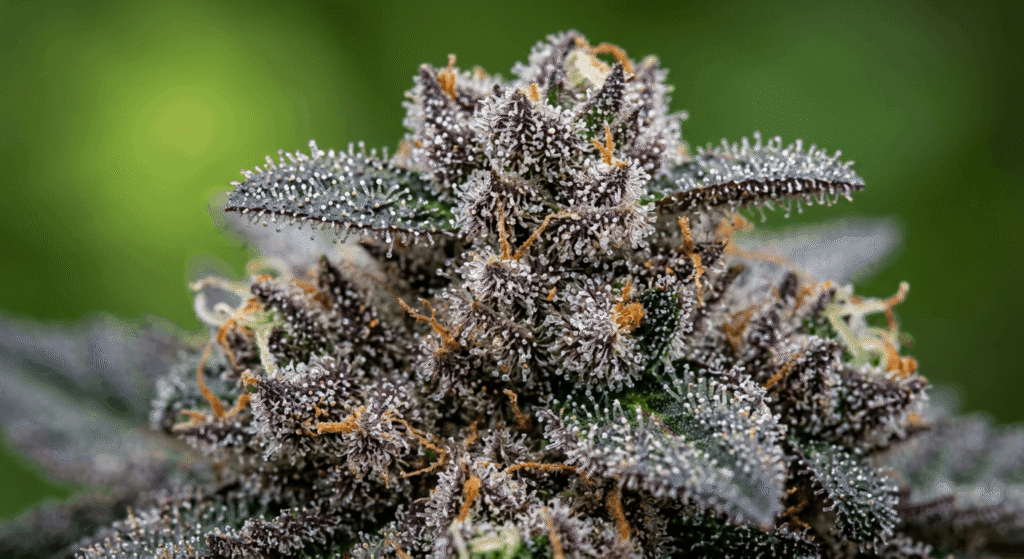
Visual inspection is especially important for wholesale purchases destined for retail, ensuring that every batch meets customer expectations for consistency and quality.
Sourcing Lab-Tested and Compliant THCA Flower
Always work with trusted suppliers who openly provide third-party COAs, confirming compliance with the 2018 Farm Bill and all relevant state laws. Regulatory references like the USDA hemp guidelines offer details on official THC limits and standards. When sourcing lab tested THCA flower for bulk or retail, these documents safeguard both reputation and legal standing.
Common Mistakes When Buying or Using THCA Flower
THCA flower buyers and users frequently run into mistakes that can impact both quality and compliance:
- *Not Reviewing Lab Results*: Failing to demand current COAs risks purchasing non-compliant or low-potency flower and missing out on important cannabinoid and terpene information.
- *Mistaking THCA Hemp Flower for Marijuana Flower*: Only federally legal THCA hemp flower containing no more than 0.3% delta-9 THC is lawful outside licensed cannabis programs.
- *Improper Storage*: Exposure to temperature, light, or unsecured air degrades cannabinoids, aroma, and trichomes, affecting both potency and appearance.
- *Ignoring Suitability of Cultivation Method*: Each method (indoor, outdoor, greenhouse) serves specific user priorities; overlooking this can result in mismatched expectations for potency, aroma, or sustainability.
- *Assuming All Flower Is Lab Tested*: Not all flower, especially from unregulated markets, comes with mandatory COAs. Non-lab tested THCA flower may contain contaminants or excess THC.
- *Basing Decisions on Price Alone*: The least expensive option may lack the potency, trichome density, or consistency required for a satisfactory experience.
Stay informed by checking the comprehensive Blogs section for advice and read the Terms & Conditions to understand vendor policies. Exploring reputable sources for concentrates and diverse product categories ensures you can make the most informed wholesale or retail choices.
Frequently Asked Questions
1. Is THCA Flower Legal to Purchase and Use?
According to the 2018 Farm Bill, THCA hemp flower is federally legal in the US if it contains less than 0.3% delta-9 THC by dry weight. However, individual state regulations may vary, so always check official USDA regulations and consult your state’s hemp guidelines for clarity.
2. What is the Difference Between THCA Flower and THC Flower?
THCA flower contains the acid form of THC, known as tetrahydrocannabinolic acid, which is non-psychoactive until heat is applied. THC flower, meanwhile, contains active delta-9 THC, which is psychoactive and federally restricted. Always verify each product’s cannabinoid content via lab results for clarity and legality.
3. How Should I Store Bulk or Wholesale THCA Flower?
For maximum preservation, store THCA flower at a stable humidity of 55–62% within airtight containers, out of direct light, and at temperatures below 70°F. Wholesale buyers are advised to use climate-controlled storage rooms to optimize both shelf life and potency over longer periods.
4. Does Growing Method Affect the Potency or Flavor of THCA Flower?
Absolutely. Indoor-grown THCA flower generally boasts the highest and most uniform potency, while greenhouse and outdoor methods produce more variable results but often excel in terpene profile and earthy, nuanced aromas. Potency, aroma, and visual trichomes are all shaped by environmental control and genetics.
5. How Do I Confirm THCA Flower is Lab Tested and Safe?
Always request a recent third-party Certificate of Analysis (COA), which details cannabinoid and terpene results as well as contaminant screenings. Reliable suppliers will make these available on their website or by request see Lab Results for examples. Only buy from vendors who provide thorough transparency.
Conclusion
Outdoor, greenhouse, and indoor THCA flower each offer their own benefits depending on cultivation style, price, and desired traits. Outdoor is sustainable and affordable, greenhouse strikes a balance between quality and efficiency, and indoor delivers the highest consistency, potency, and visual quality. Choosing lab tested THCA flower and understanding both cultivation and cannabinoid content ensures you get the best product, whether seeking personal enjoyment, bulk THCA flower, or wholesale THCA flower for your business.