Quick Answer Box: Bulk THCA distillate is a crystal-resistant hemp oil blended to 50-55% THCA concentration for direct vape cart filling. Wholesale THCA oil pricing uses volume tiers from 100g to 100kg+, with breaks at 1 kg and 5 kg. Every batch needs a full-panel ISO 17025 COA. The November 12, 2026 H.R. 5371 deadline puts most current distillate formulations outside the new total-THC cap.
What to Look For in Bulk THCA Distillate
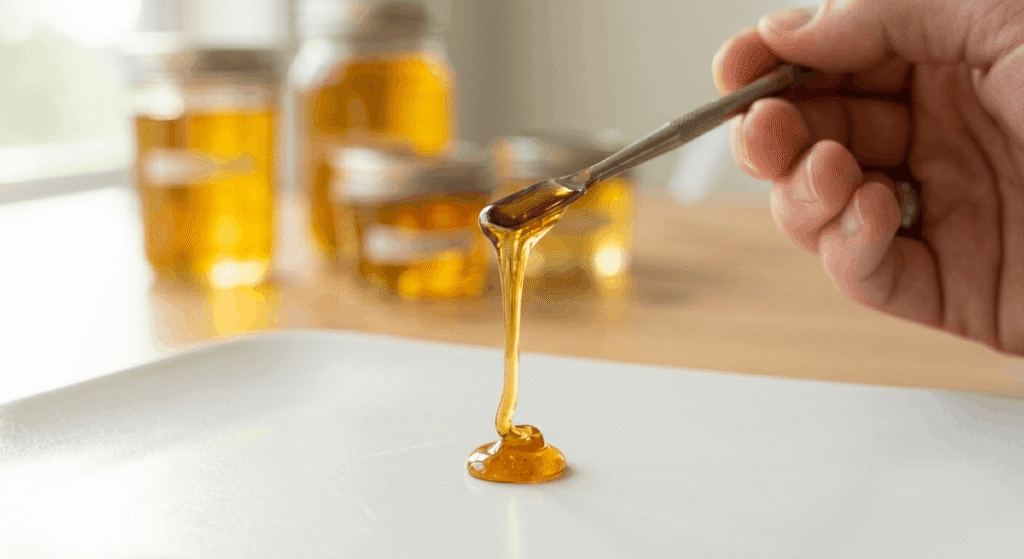
Bulk THCA distillate is a processed hemp extract that concentrates tetrahydrocannabinolic acid into a flowable oil. Most commercial-grade THCA distillate wholesale supply blends THCA isolate with a crystal-resistant carrier, producing wholesale THCA oil that fills vape cartridges directly without in-house reformulation. At bulk volumes, what separates usable input from product failures is documentation, grade selection, and carrier chemistry.
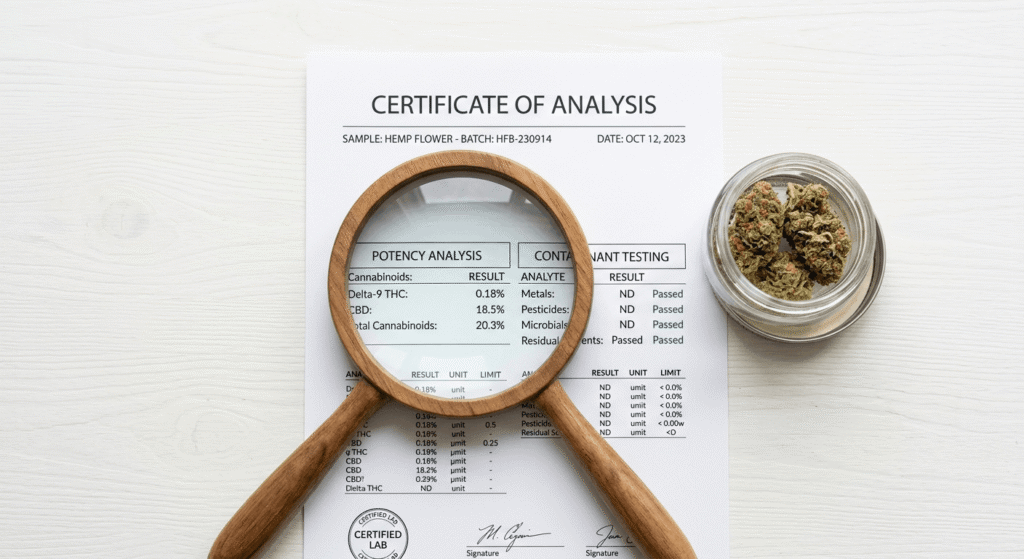
Three benchmarks define quality for wholesale buyers: a batch-specific COA from an ISO 17025-accredited laboratory, a crystal-resistant carrier for hardware compatibility, and Delta-9 THC verified at or below 0.3% dry weight under current federal hemp rules. A fourth factor separating serious suppliers from low-margin competitors is cGMP-compliant production. Material made outside cGMP conditions carries a higher risk of batch inconsistency and contamination gaps that surface during state compliance audits. Skip any of these and the price advantage between suppliers disappears fast.
What Makes THCA Distillate “Cart-Ready”?
Pure THCA crystalline compound is not flowable at room temperature. Left inside a 510-thread cartridge, THCA isolate crystallizes and clogs hardware within days of filling. Cart-ready THCA distillate solves this by combining THCA isolate with a crystal-resistant cannabinoid carrier, most often a CBD or CBG distillate base that stays liquid at ambient temperature and prevents in-cart crystallization throughout the product’s intended shelf life.
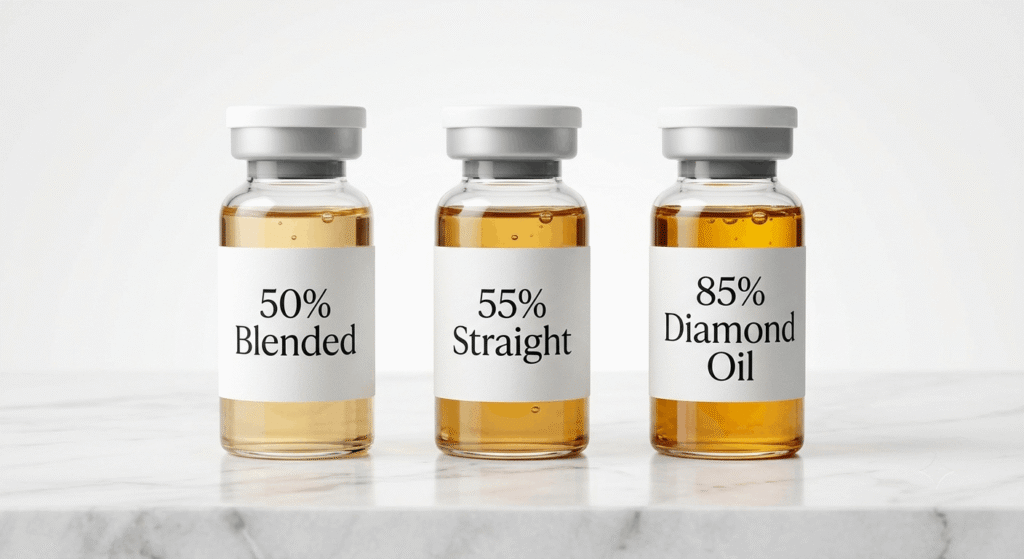
The most widely stocked formulation runs 50% THCA isolate with a 50% crystal-resistant carrier. Higher-concentration options at 55% and 85%+ are available for manufacturers blending in-house who want more potency per milliliter of input oil. When vaped, THCA decarboxylates at approximately 104°C (220°F) and converts to Delta-9 THC, producing effects comparable to dispensary-grade cannabis vapes.
| Grade | THCA % | Best Use | Notes |
|---|---|---|---|
| 50% Blended | 50% | Direct cart fill | Crystal-resistant carrier included |
| 55% Straight Distillate | 55% | In-house formulation | Terpenes added separately |
| 85%+ Diamond Oil | 85%+ | Premium carts, dab concentrates | Blending expertise required |
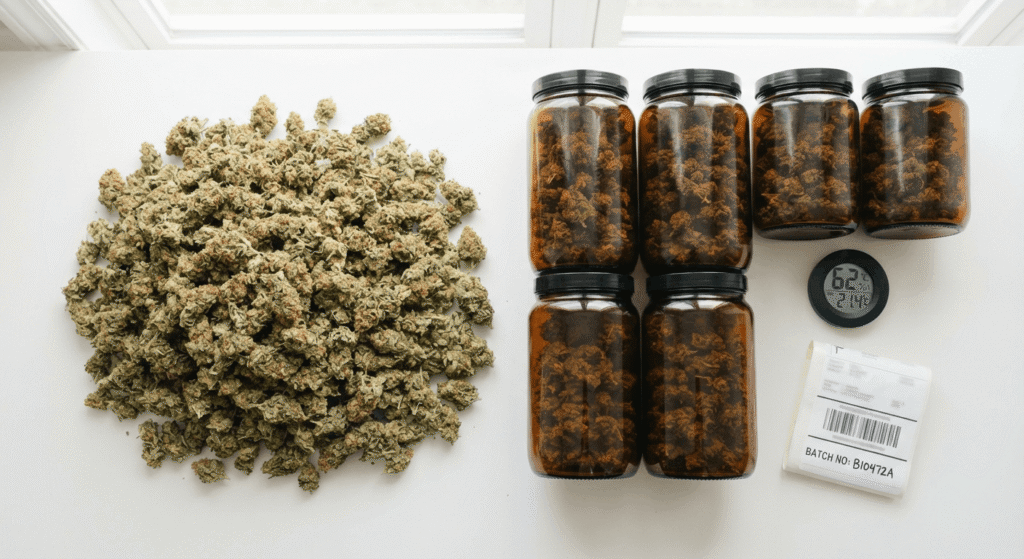
Storage protocol matters at purchasing scale. Sealed THCA distillate should be kept between 15-25°C (59-77°F), away from direct heat, light, and moisture. Shelf life on sealed material runs 12-18 months. Refrigeration extends that window for buyers holding larger inventory between production runs. Prolonged exposure above 30°C risks premature decarboxylation, which alters the oil’s cannabinoid profile before it reaches cart hardware.
Terpene selection is a secondary decision after locking in the oil grade. Cannabis-derived terpenes (CDT) raise per-milliliter input cost but support stronger retail positioning. Botanical terpenes (BDT) keep margins wider for shops stocking broad SKU ranges at accessible price points. Neither affects the base oil’s THCA concentration or COA compliance requirements.
What Does Bulk THCA Distillate Cost in 2026?
THCA bulk pricing runs on tiered volume brackets. Most suppliers open orders at 100 grams and drop the per-gram cost at each tier above that. Major price breaks appear at 1 kg, 5 kg, 25 kg, and 50 kg thresholds. For buyers committing to recurring fills, standing-order arrangements lock in per-kilogram pricing and reserve batch availability, removing the supply uncertainty that spot ordering creates during peak demand periods.
The 50% blended cart-ready oil costs more per gram than raw distillate. That premium reflects the blending step and the crystal-resistant carrier input, and it’s worth it for manufacturers who want to move directly from receiving to filling without additional processing equipment. At the 25 kg tier and above, per-gram cost drops enough that the carrier premium largely disappears. High-volume buyers treat THCA bulk purchasing as the primary margin lever in their operation, not just a procurement decision.
For current THCA pricing across distillate grades and volume tiers, visit the wholesale pricing page at thcawholesale.deals.
When comparing quotes, require identical specs from every supplier: same THCA concentration, same carrier type, and a full-panel COA rather than a potency-only test report. A cheaper quote backed by incomplete testing isn’t actually cheaper once state compliance re-tests and product recalls factor in.
How Does the November 2026 Compliance Deadline Affect Wholesale Buyers?
On November 12, 2026, Section 781 of H.R. 5371 takes effect and replaces the 2018 Farm Bill’s Delta-9-only test with a total-THC formula: (THCA × 0.877) + Delta-9 THC. The new standard caps finished consumable hemp products at no more than 0.4 milligrams of total THC per innermost retail container.
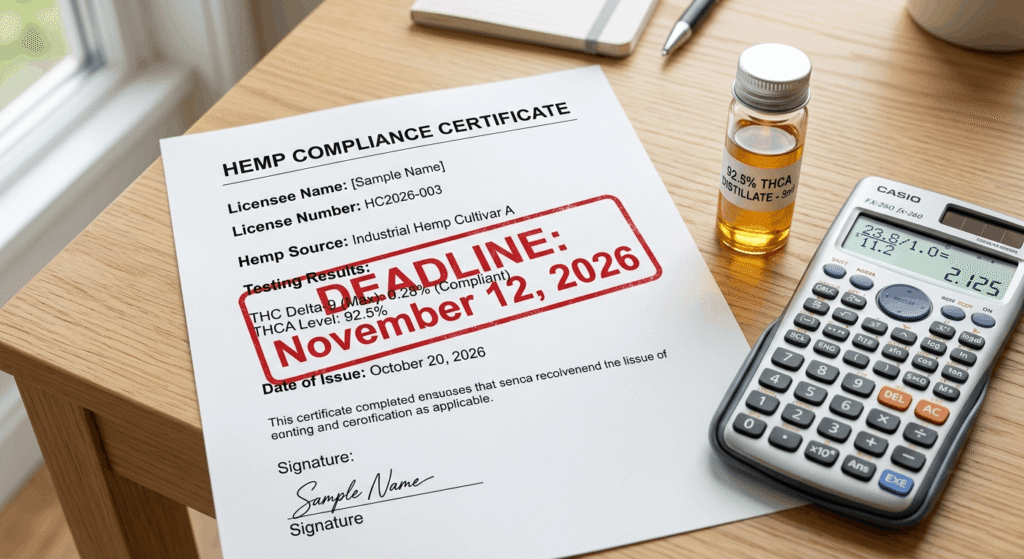
A standard 1-gram THCA distillate cart using the 50% blended formula contains approximately 500mg of THCA. The post-decarboxylation total-THC calculation puts that single cart hundreds of times above the new 0.4mg container cap. Every current-formulation THCA distillate cart, regardless of grade, fails the finished-product threshold under H.R. 5371. The underlying distillate also fails the new 0.3% total-THC intermediate product standard once THCA is included in the calculation.
The current compliance window remains open. The 2018 Farm Bill framework holds until November 12, 2026, and buyers purchasing and selling distillate-fill carts today operate under existing rules. As of mid-2026, legislative efforts to delay or replace Section 781 are active but no amendment has passed. Operational planning should treat the deadline as real.
State rules add a second compliance layer. Colorado, Virginia, and California already apply total-THC measurement at the state level today, ahead of the federal date. Products shipped to those markets face tighter THCA compliance requirements right now. Multi-state distributors need destination-state confirmation on every shipment, not just at the federal level.
For a full state-by-state breakdown and what the November 12 deadline means operationally, our Farm Bill compliance guide for retailers covers the current picture in detail.
Frequently Asked Questions
1. What is the difference between THCA distillate and THCA isolate for cart production?
THCA isolate is crystalline powder at 95%+ purity with no carrier. It crystallizes inside cart hardware, causing clogs. THCA distillate blends THCA isolate with a liquid carrier that stays flowable at room temperature. For direct cart filling without reformulation, distillate is the only practical input material for most manufacturers.
2. What should a COA include for bulk THCA distillate orders?
A valid COA from an ISO 17025-accredited lab must confirm THCA concentration, Delta-9 THC percentage by dry weight, and full contaminant screening covering:
- Pesticides
- Heavy metals
- Residual solvents
- Mycotoxins
- Microbial contamination
Potency-only reports don’t cover safety testing and don’t meet wholesale purchasing standards. Review the lab results at thcawholesale.deals for the full-panel documentation standard we hold across our catalog.
3. Can THCA distillate be used in products other than vape cartridges?
Yes. THCA distillate works in infused pre-rolls, dab concentrates, and multi-cannabinoid vape blends combining THCA with Delta-8 or HHC as a single flowable fill. In edibles, THCA requires heating above 104°C to convert to active Delta-9 THC before it takes effect. For tinctures, the oil stays in its acidic THCA form unless a deliberate decarboxylation step is added during production.
4. Is bulk THCA distillate legal to ship across state lines in 2026?
Under the current 2018 Farm Bill framework, hemp-derived THCA distillate with Delta-9 THC at or below 0.3% dry weight is federally legal and can be shipped interstate. However, several states restrict or ban THCA products at the state level regardless of federal status. Always confirm destination-state law before shipping. That verification needs to happen per-order, not once at onboarding, because state-level rules have changed frequently heading into the November 12, 2026 federal deadline.
5. What storage conditions does bulk THCA distillate require?
Store sealed THCA distillate between 15-25°C (59-77°F), away from direct light, heat, and moisture. Shelf life runs 12-18 months under those conditions. Refrigeration extends that window for buyers holding larger inventory between production cycles. The key risk is prolonged exposure above 30°C, which can trigger partial decarboxylation and convert THCA to Delta-9 THC before the material ever reaches cart hardware. That changes both the cannabinoid profile and the product’s compliance status on re-test.
Conclusion
Bulk THCA distillate is the core input for cart manufacturers, white-label brands, and wholesale distributors building hemp-derived vape lines. Getting it right means matching the correct concentration grade to your fill process, confirming crystal-resistant carrier specs, and requiring full-panel COAs on every batch order. The November 12, 2026 federal deadline under H.R. 5371 puts a real operational clock on current distillate sourcing. Buyers treating that window as open-ended are the ones who’ll face the tightest inventory decisions in Q4 2026.
For a full view of the hemp-derived concentrates and formats available at wholesale, the concentrates and extracts overview covers every major category.