Quick Answer Box: THCa flower is raw hemp or cannabis flower rich in tetrahydrocannabinolic acid, a non-intoxicating precursor to THC. When heated, THCa converts to THC, producing psychoactive effects. The rise of THCa flower is driven by shifting legality, growing demand, and its diverse applications in wellness and recreation.
What is THCa Hemp Flower?
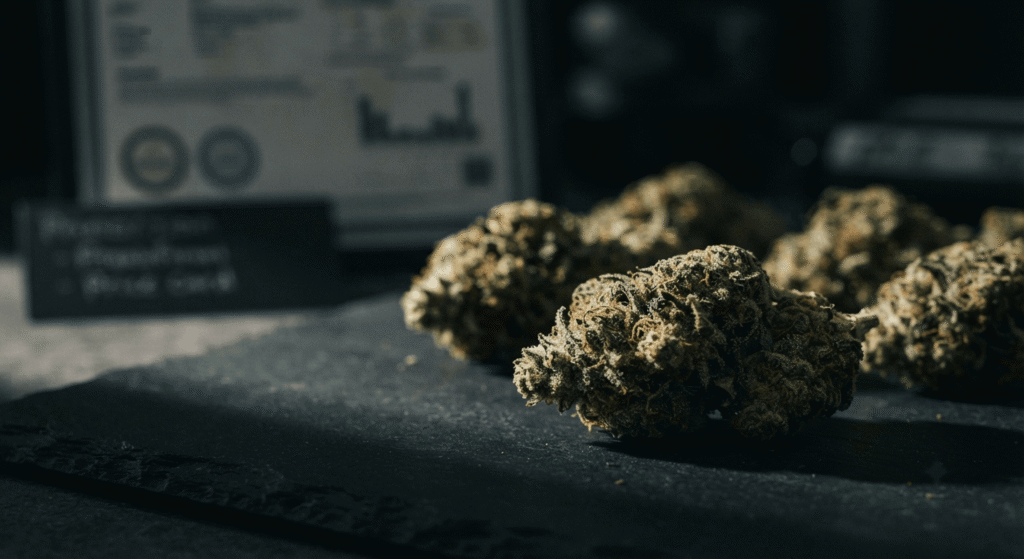
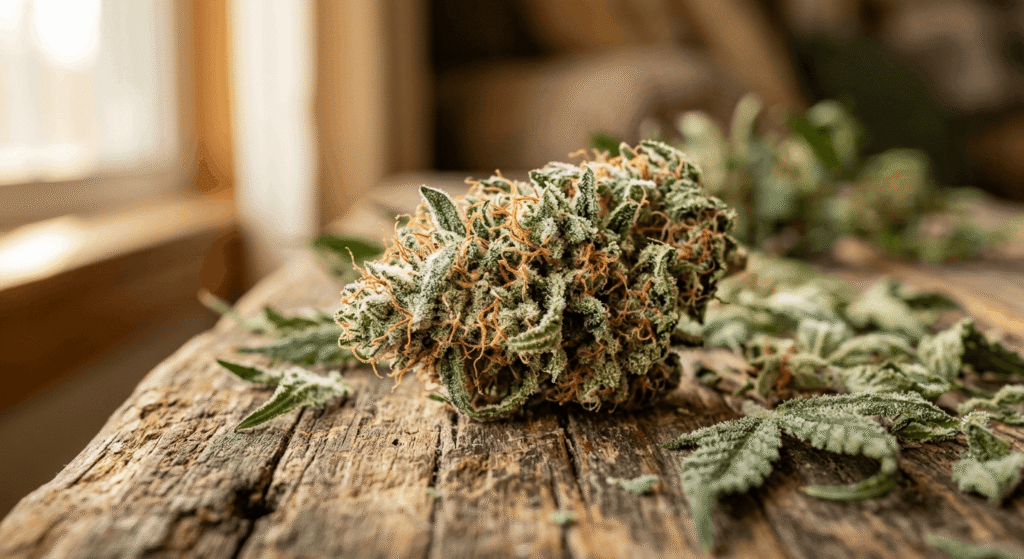
THCa hemp flower is the raw, unheated form of cannabis or hemp flower that contains high concentrations of tetrahydrocannabinolic acid (THCA). This cannabinoid is a natural, non-psychoactive compound occurring abundantly in the plant before exposure to heat. THCA serves as the chemical precursor to Delta-9 THC, the compound responsible for classic cannabis intoxication. Only through decarboxylation—heating the THCa flower by smoking, vaping, or cooking—does THCA transform into psychoactive THC. This makes THCa flower both unique and versatile. Unlike CBD hemp flower, which contains cannabidiol, or marijuana rich in Delta-9 THC, THCa hemp flower sits at the intersection of legal accessibility and cannabis effects, capturing the interest of a diverse consumer base.
The Rise of THCa Hemp Flower: Trends and Market Growth
In the last several years, the THCa hemp flower market has emerged as a standout success story within the hemp and cannabis sectors. Market data from 2024 to 2026 shows THCa flower sales climbing by over 340%, outpacing nearly every other hemp product. Leading distributors have noted 300–400% annual growth in order volume, indicative of a sharp and sustained increase in demand.
A core factor behind this surge is broadening consumer demographics. While interest initially centered on those ages 21–35, an increasing number of adults between 45–65 are now purchasing THCa hemp flower. These users are drawn by the wellness potential, perceived safety, organic cultivation standards, and the evolving legal status of THCa-rich products.
Another driver of market growth has been the expansion of strain choices. By late 2026, the inventory of unique, THCa-compliant strains is expected to surpass 100, compared to only 20–30 a few years back. THCa flower now commands 40–55% of overall U.S. hemp flower sales in regulated markets and is forecasted to overtake CBD flower as the industry leader.
Premium, craft, and exotic THCa flowers fetch a substantial price premium, with customers willing to pay 40–60% more for hand-trimmed, small-batch, or celebrity-endorsed offerings. The growing search interest for THCa flower highlights mainstream adoption and marks this product as a breakout phenomenon.
THCa Flower Effects: What to Expect
THCa flower effects depend on whether the product is consumed raw or after undergoing decarboxylation. In its unheated state, THCa is non-psychoactive and is being studied for potential anti-inflammatory, neuroprotective, and anti-nausea properties. Raw THCa consumption—such as adding it to juices or smoothies—appeals to those seeking these wellness benefits without intoxication.
After decarboxylation through smoking or vaping, THCa transforms into active Delta-9 THC. Once heated, THCa flower effects mirror those of traditional cannabis, including:
- Euphoria and mood elevation
- Profound physical relaxation and “body high”
- Increased creativity and sensory sensitivity
- Enhanced appetite, commonly known as “the munchies”
- Possible improvements in mental focus or introspection, depending on the strain
Popular strains, including White Runtz, Gelato 42, and Jack Herer, are recognized for both their strong psychoactive impacts and distinct flavor profiles. With lab tested THCa flower frequently surpassing 25% THCA content, effects can be intense and comparable to those produced by dispensary-grade marijuana. Many consumers experience positive THCa flower effects such as uplift, creativity, or relaxation, but novices or sensitive users should be aware that overconsumption may lead to anxiety, strong sedation, or other negative responses.
THCa Flower Side Effects
It is important to consider thca flower side effects before consumption. These side effects differ based on whether THCa is consumed raw or after decarboxylation. Raw THCa is non-psychoactive and typically well-tolerated, though very sensitive individuals may experience mild digestive upset. Decarboxylated THCa, on the other hand, acts just like high-THC cannabis and can cause side effects such as dry mouth, red or dry eyes, drowsiness, increased heart rate, heightened appetite, and—in larger doses—anxiety, dizziness, or paranoia. If you are trying THCa flower effects for the first time, always start with a small amount and wait to assess your response.
How to Use THCa Flower
The versatility of THCa hemp flower is a key part of its appeal. Users can select from several consumption methods based on desired effects and whether or not they intend to decarboxylate the THCa flower. Here’s a step-by-step guide for how to use THCa flower in various ways:
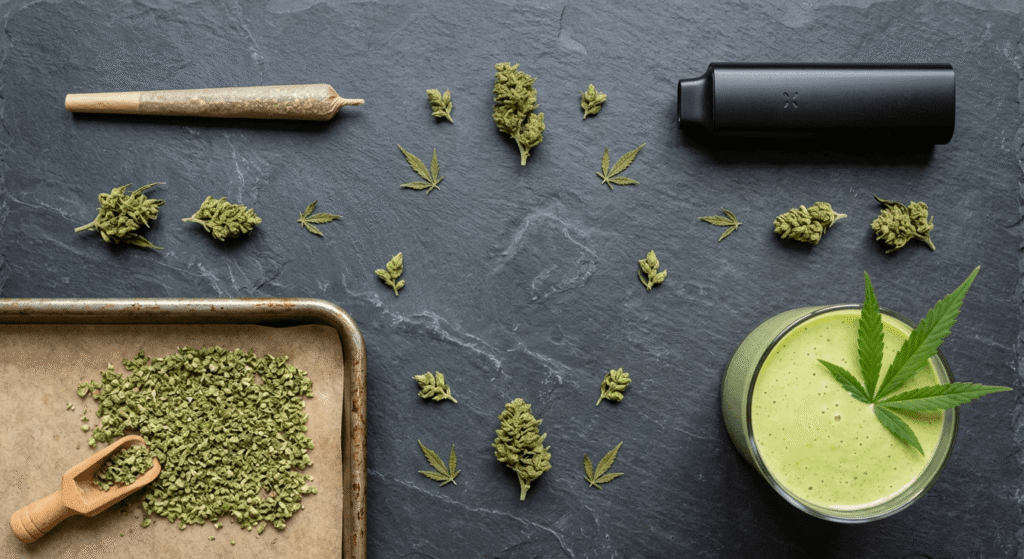
- Smoking THCa Flower
- Break up or grind the THCa flower to maximize exposure.
- Load into a pipe, bong, or roll as a joint/blunt.
- Light and inhale; heat causes decarboxylation, delivering fast-acting THC effects.
- Start with a small quantity and wait a few minutes before re-dosing.
2. Vaping THCa Flower
- Use a quality dry herb vaporizer set between 350–400°F.
- Place the ground flower in the chamber.
- Vaporization decarboxylates THCA with minimal combustion byproducts.
- Take a single slow inhalation, then pause and assess effects.
3. Making Edibles with THCa Flower
- Decarboxylate the flower: Spread ground THCa flower on parchment paper atop a baking sheet and bake at 220–245°F (105–120°C) for 30–40 minutes.
- Allow to cool, then infuse the decarboxylated flower into butter, oil, or other base ingredients.
- Incorporate your infusion into recipes as desired, being careful with dosing.
3. Raw Ingestion and Juicing
- Chop or blend raw THCa flower and add to fresh juices, smoothies, or salads.
- Consuming THCa flower raw delivers its wellness potential without a psychoactive high, which is attractive to health-focused consumers.
Tips for Safe and Effective Use
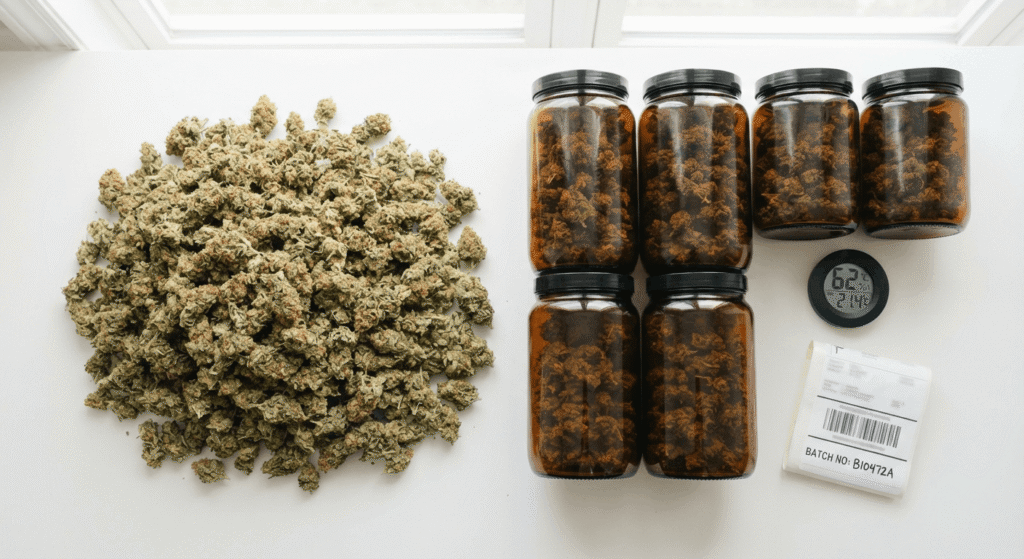
Regardless of method, store your THCa flower in an airtight glass container, away from direct light and heat, to preserve potency and freshness. Shop all options here.
Decarboxylation: Unlocking the Benefits of THCa Hemp Flower
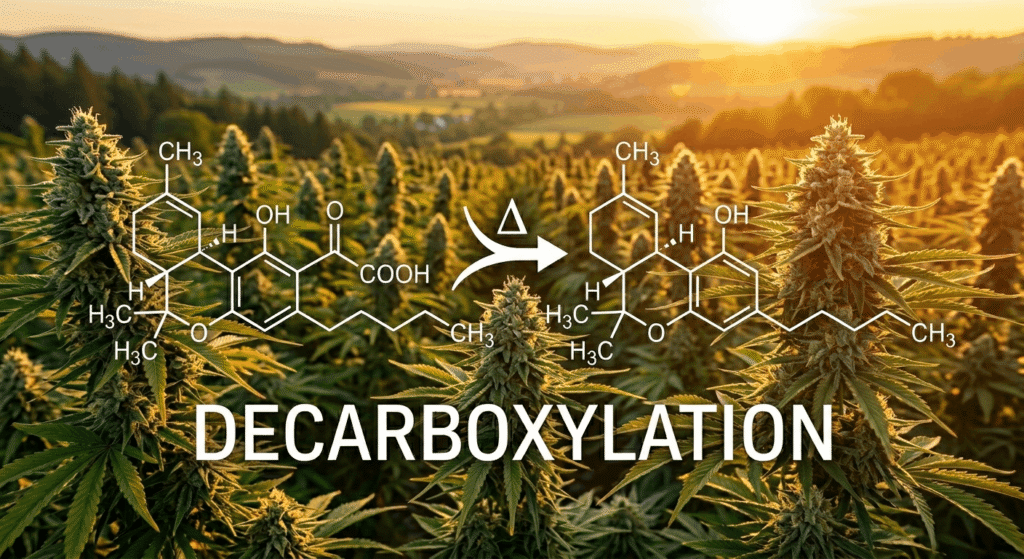
Decarboxylation is essential in activating the psychoactive potential of THCa hemp flower. In its raw state, THCA molecules contain an extra carboxyl group (COOH), which is removed when exposed to heat, converting THCA into Delta-9 THC. If your goal is psychoactive effects, understanding decarboxylation is imperative.
The process occurs instantly when THCa flower is smoked or vaped. For edibles, it involves carefully baking ground flower on a tray at temperatures between 220–245°F (105–120°C) for 30–40 minutes. Higher temperatures risk degrading valuable cannabinoids and terpenes, decreasing both potency and flavor. When decarboxylation is incomplete, much of the THCA remains non-psychoactive, and effects are limited to those associated with raw THCa.
Practical tips for better results:
- Use parchment paper for even heat.
- Avoid temperature spikes by monitoring your oven.
- Allow flower to cool before preparing edibles.
Mastering decarboxylation allows you to tailor your THCa flower experience for specific outcomes—wellness or recreational. For a more comprehensive guide to decarboxylation and advanced techniques, see articles on THCa flower lab results and our blog.
Organic THCa Flower: Benefits and Considerations
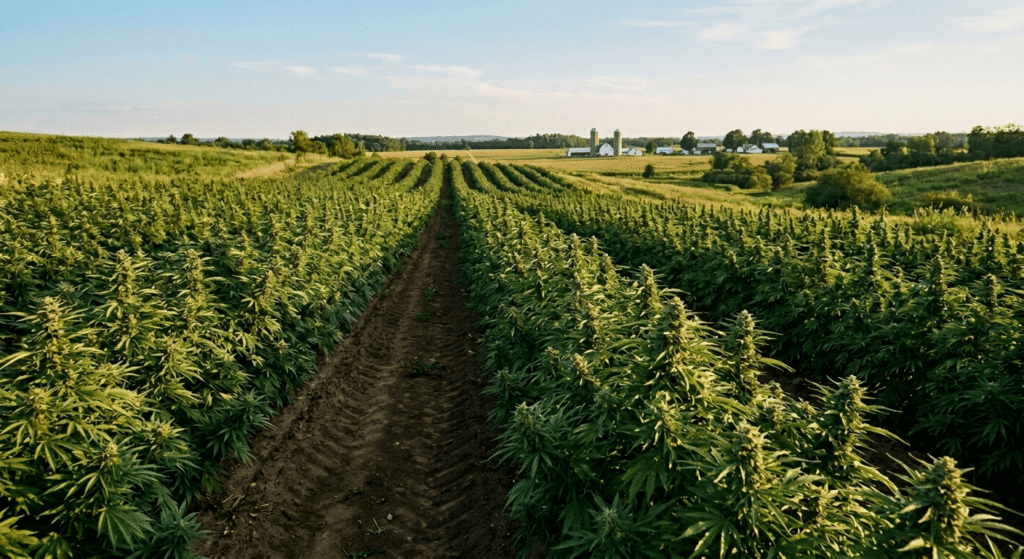
Organic THCa flower brings several advantages for both health-conscious users and environmentally aware consumers. Grown without synthetic pesticides, herbicides, or fertilizers, organic THCa flower is often monitored and certified through regulators like the USDA. This method protects trichome and cannabinoid structures, resulting in superior aroma, potency, and consumer safety.
Benefits of organic THCa flower include:
- Purity and Quality: Tighter quality controls, hand-trimming, and no chemical additives mean a cleaner, more potent flower.
- User Safety: Organic cultivation typically reduces the risk of residual pesticides or other contaminants.
- Environmental Benefits: Organic farming fosters soil health and biodiversity, helping preserve local ecosystems.
Choosing organic THCa flower reduces your exposure to potentially harmful chemicals while promoting the preservation of plant terpenes and cannabinoids. For the highest assurance, only purchase organic products with detailed cultivation information and up-to-date third-party lab results. Handcrafted, exotic THCa flower wholesale options often showcase these benefits, delivering distinct aromas and flavor profiles.
Where to Buy Organic THCa Flower
To find reliable organic THCa flower, look for curated selections on reputable vendor sites and ask for transparent documentation. Visit About Us to learn more about leading organic cultivators and their sustainability efforts.
Lab Tested THCa Flower and Interpreting THCa Lab Results
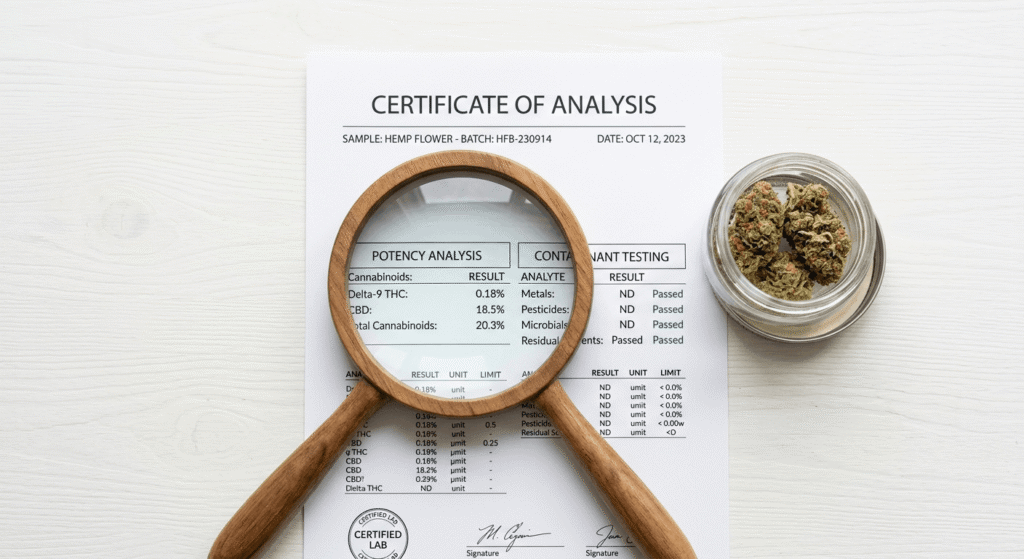
Securing high-quality, safe THCa hemp flower requires understanding and analyzing lab results. Third-party lab testing is the industry standard; every reputable seller should provide a Certificate of Analysis (COA) for each product batch, covering:
- Potency: High THCA content is a hallmark of premium strains; ensure Delta-9 THC remains under 0.3% for legal compliance.
- Terpene Profile: The presence and balance of terpenes define aroma, taste, and sometimes effects.
- Safety Screening: Check for pesticides, heavy metals, mold, mildew, and microbial impurities.
When checking THCa lab results, note batches with THCA percentages above 20% for robust psychoactive potential. The “Total THC” post-decarboxylation figure helps estimate possible effects. Any product should test negative for concerning contaminants. Transparent sellers update COAs frequently, ensuring confidence in their lab tested THCa flower.
Choosing the Highest THCa Hemp Flower
Those seeking strong effects should focus on the highest THCa hemp flower with well-documented lab testing. Comparing strains, effects, and terpene profiles alongside purity test results ensures purchasing decisions best match your goals and preferences.
THCa Flower Wholesale: Buying Strategies and Exotic Options
The wholesale market for THCa flower has intensified, offering both bulk value and carefully selected rarities. Dispensaries and shop owners seek standout, exotic THCa flower wholesale options—often limited-release strains noted for small-batch production, unique genetics, and advanced hand-trimming.
Best practices for THCa flower wholesale buyers:
- Vet Vendors Carefully: Seek out providers with a record of consistent lab tested THCa flower, transparent COAs, and responsive customer support. Check their wholesale pricing tiers for competitive rates.
- Verify Potency and Compliance: Always insist on recent lab results to ensure Delta-9 THC is below compliance thresholds.
- Pursue Uncommon Strains: Market demand is highest for exotic or novel genetics like Lemon Cherry Gelato and Dante’s Inferno, which attract premium buyers.
- Explore Product Formats: Expand offerings beyond flower by including concentrates, such as badder, crumble, distillate, hash, live resin, rosin, and sugar.
Retailers leveraging these high-demand products and unique strains can drive customer loyalty and command strong margins. For direct assistance or partnership inquiries, use the contact page.
THCa Flower vs Traditional Cannabis and CBD Hemp Flower
| Factor | THCa Hemp Flower | Traditional Cannabis (Marijuana) | CBD Hemp Flower |
|---|---|---|---|
| Main Cannabinoid | THCA (precursor to THC) | Delta-9 THC | CBD |
| Psychoactivity | Non-psychoactive (raw); psychoactive if heated | Strongly psychoactive | Non-psychoactive |
| Legality (USA) | Federally legal if <0.3% Delta-9 THC | Federally illegal, legal in some states | Federally legal if <0.3% THC |
| Popular Uses | Smoking, vaping, edibles, raw wellness | Smoking, vaping, edibles | Smoking, vaping, tea, wellness |
| Wellness Benefits | Potential anti-inflammatory, neuroprotective | Some, research limited by legal status | Anti-anxiety, pain support, anti-inflam. |
| Lab Testing/COAs | Standard among top brands | Standard in dispensaries | Standard among quality producers |
| Market Availability | Broad and expanding; trending in USA | State-limited; mainly dispensaries | Nationwide, declining share |
| Wholesale Options | Yes; exotic/craft strains in demand | Mainly state-licensed only | Yes, but decreasing demand |
Common Mistakes When Using or Buying THCa Hemp Flower
To get the most from THCa hemp flower, you should avoid a few frequent missteps that can affect your experience or safety:
- Neglecting Decarboxylation: Not sufficiently heating THCa flower before consumption results in minimal psychoactive effects. Edibles require deliberate decarboxylation.
- Consuming Excessive Amounts: The highest THCa hemp flower strains can be extremely potent after decarboxylation. Beginners should start with low doses and gradually adjust.
- Overlooking Lab Results: Failing to verify recent lab tested THCa flower exposes you to potential contaminants or misrepresented potency.
- Improper Storage: THCa flower is sensitive to air, light, and temperature, which can lead to rapid potency decline or mold risks. Store flower in a cool, dark, airtight container.
- Buying From Unverified Sellers: Not every online shop is reputable. Legitimate vendors provide detailed COAs, a professional shop page, and responsive support.
- Confusing Labeling: “Total THC” and “THCA” are often listed separately. Understand your product’s lab report and clarify the numbers, particularly when using flower in edibles for microdosing.
Frequently Asked Questions
1. Is THCa flower legal everywhere in the U.S.?
THCa flower is federally legal if it contains under 0.3% Delta-9 THC by dry weight, thanks to the 2018 Farm Bill. However, THCa hemp flower legality varies by state, since some states impose their own restrictions or require dispensary-only sales. Check current state laws before purchasing or shipping.
2. What are the potential side effects of THCa flower?
Raw THCa flower generally has few side effects and does not produce intoxication. Rarely, it may cause mild digestive discomfort. Once decarboxylated, THCa produces effects and side effects similar to conventional cannabis, such as dry mouth, drowsiness, anxiety, or dizziness. Starting with a small trial dose is recommended for all users.
3. How do I choose the best THCa hemp flower strain?
Select the best THCa hemp flower by reviewing lab results for potency, terpene profile, and purity. Look for COAs showing strong THCA concentrations (20%+), as well as absence of contaminants. Popular choices like White Runtz and Gelato 42 are praised for balanced effects and robust reputations.
4. Can I buy THCa flower wholesale or in bulk legally?
Yes, THCa flower wholesale purchasing is legal under federal rules if the flower tests below 0.3% Delta-9 THC. However, local and state laws vary, so always ask suppliers for current COAs and be aware of regional compliance issues before making large-volume buys.
5. What is the future of THCa in the hemp industry?
The future of THCa is bright, as market analysts anticipate continued growth and consumer interest through 2026 and beyond. THCa hemp flower is poised to outpace CBD in popularity as more strains and innovative formats reach the market. Regulatory uncertainty will remain a challenge, but a focus on transparency and quality will support long-term industry stability.
Conclusion
The rise of THCa hemp flower is redefining the standards in the hemp and cannabis industries. The THCa flower market is expanding rapidly, driven by its versatile applications, competitive potency, and evolving legal status. With an increasing focus on lab tested, organic, and exotic THCa flower wholesale options, retailers and consumers alike are seeking out the best THCa hemp flower for safety, efficacy, and compliance. Staying educated on decarboxylation, reading thca lab results, and buying only from verified, transparent sellers will ensure you truly benefit from this groundbreaking and fast-growing product segment as the landscape continues to develop.