Quick Answer Box: The H.R. 5371 federal hemp cliff refers to sweeping changes in federal law hemp compliance that take effect November 12, 2026. The H.R. 5371 bill redefines legal hemp, sets a strict 0.4 mg THC cap per container, and bans most intoxicating products like THCA flower and Delta-8, reshaping the hemp market for wholesale buyers.
What is the H.R. 5371 Federal Hemp Cliff?
The H.R. 5371 federal hemp cliff signifies a dramatic shift in federal law hemp compliance set for November 12, 2026. On this date, major sections of the H.R. 5371 bill take effect, redefining what is considered legal hemp under federal law. New federal THC limits will be imposed, classifying most current products including THCA flower and Delta-8 edibles as illegal at the federal level. This regulatory turning point marks the end of many products’ compliance with past Farm Bill guidelines.
For THCA wholesale buyers and businesses across the hemp market, the hemp cliff means that products legal today may face a federal hemp ban almost overnight. The bill specifically tightens THC calculations and applies stricter per-container THC caps. Understanding the new requirements, timeline, and compliance steps is essential for anyone involved in hemp distribution before 2026.
How Does It Change Federal Law Hemp?
H.R. 5371 fundamentally transforms federal law hemp by amending the definitions and compliance thresholds established in the 2018 Farm Bill. Signed into law on November 12, 2025, the H.R. 5371 bill provides a one-year transition period before stricter provisions including the federal hemp ban on certain products become enforceable in November 2026.
H.R. 5371 Summary of Key Changes
- Redefined Hemp: The legal definition now includes “total THC,” not just Delta-9 THC, using a formula that totals all forms, including THCA and other isomers.
- THC Limit: Legal hemp must contain less than 0.3% total THC at every production stage, not only during cultivation.
- Container Cap: No finished consumer product can exceed 0.4 mg total THC per container, which includes gummies, vapes, flower jars, and tinctures.
- Enforcement Timeline: The one-year transition window allows the market to sell, reformulate, or dispose of non-compliant inventory before federal compliance is enforced.
For a full legal reference, read the H.R. 5371 bill on Congress.gov. Additional background can be found at the USDA and FDA, which provide regulatory updates impacting hemp businesses.
The H.R. 5371 bill introduces some of the most significant thca laws to date. Businesses that previously relied on Farm Bill loopholes, such as selectively testing only for Delta-9 THC, must now adapt to the comprehensive total THC calculation or face federal enforcement actions. This update is expected to have immediate impacts throughout the entire hemp market.
What Does the Federal Hemp Ban Mean for Operators?
The new federal hemp ban means any hemp-derived product exceeding these updated THC limits will be considered a Schedule I controlled substance under federal law. Wholesale buyers, distributors, and retailers who do not comply risk inventory seizure, federal prosecution, and loss of payment or banking services. Review your compliance policies regularly by referencing the Terms & Conditions provided on major wholesale platforms.
The New “Total THC” Formula and the 0.4 mg/container Cap Explained
Federal law will now require hemp market participants to recalculate THC content based on all isomers, which marks a significant departure from the 2018 Farm Bill’s framework.
How Is Total THC Calculated Under Federal Law?
The total THC content is calculated as follows:
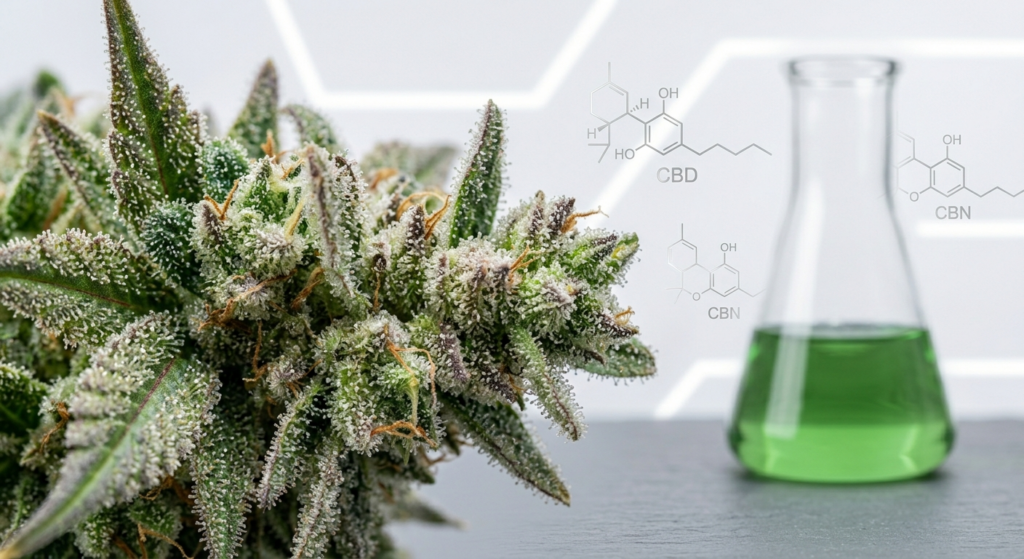
Total THC = Δ9 THC + (THCA × 0.877) + all other THC isomers
This process, known as post-decarboxylation testing, ensures that any THC which may be activated by heat or chemical change is included in the legal threshold. As a result, THCA flower and related products that previously skirted regulation will face the same restrictions as Delta-9 and Delta-8 items.
Understanding the 0.4 mg/Container THC Cap
As of November 12, 2026, every finished hemp product container sold at retail must contain less than 0.4 mg total THC to qualify as legal hemp. This rule applies whether the product is an edible, drink, vape cartridge, jar of flower, or concentrate. Under the prior Farm Bill, manufacturers could offer products with far higher THC content as long as the Delta-9 percentage stayed below 0.3% dry weight an approach now obsolete under H.R. 5371.
For example:
- Under previous law, gummies could contain 5–25 mg Delta-9 THC per serving.
- With H.R. 5371, even a single 5 mg Delta-9 gummy or a THCA pre-roll will exceed the strict per-container limit.
Nearly all high-potency products listed on the Shop page or in the Concentrates categories such as Badder, Crumble, Distillate, Hash, Live Resin, Rosin, and Sugar will need to be reformulated or removed from federal commerce.
Which Products Will Lose Federal Hemp Status After November 12, 2026?
Many best-selling hemp-derived products will lose legal status at the federal level when the new rules take effect. The H.R. 5371 bill and its associated thca laws target any products above the new THC thresholds, including those high in THCA, Delta-8, HHC, and other minor cannabinoids.
| Product Type | Current Status (Pre-Nov ’26) | Post-Cliff Status (After Nov ’26) | Compliance Challenge |
|---|---|---|---|
| THCA Flower | Legal if <0.3% Δ9 THC (by dry weight) | Banned if total THC >0.3% or >0.4mg/package | Most SKUs non-compliant |
| Delta-8 Gummies | Legal if derived from hemp, any Δ9 restriction | Banned if total THC >0.4mg per container | Nearly all exceed cap |
| Hemp Vapes | Legal if inside dry weight/Δ9 limits | Banned if total THC >0.4mg per cart | Most products exceed new limits |
| Concentrates | Legal if under current limit | Banned if total THC >0.4mg per package | Reformulation or state-license required |
| Beverages | Legal with up to 5–25mg THC/pack | Banned if total THC >0.4mg per can/bottle | Dose must be reduced 10–50x for legality |
| CBD Isolate | Always federally legal (no THC) | Still compliant | No change |
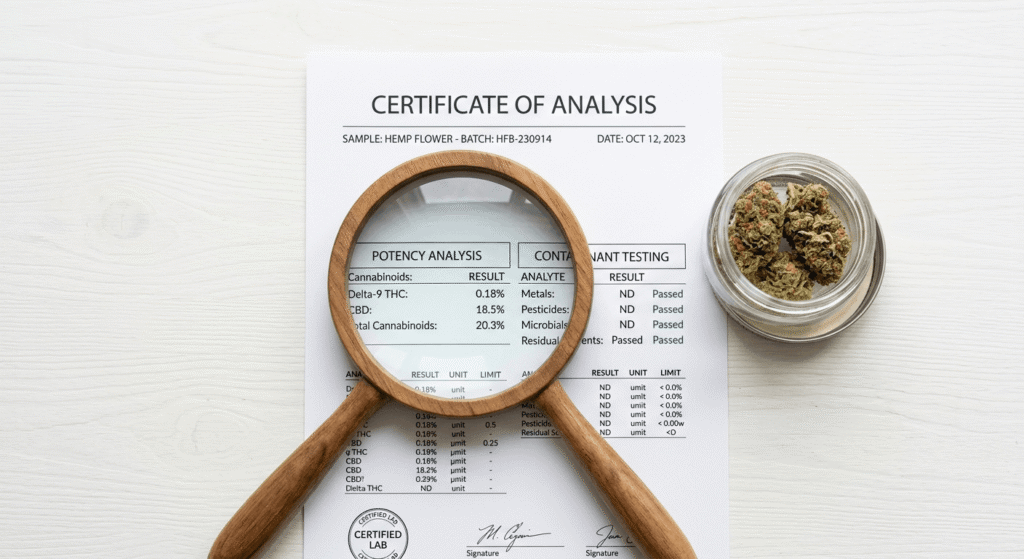
For up-to-date compliance information and third-party test results, visit the Lab Results page.
Key Products Most Impacted by the Federal Hemp Ban
- THCA flower, pre-rolls, and vapes above 0.3% total THC dry weight or 0.4 mg/container
- Delta-8 and HHC gummies, beverages, and vape carts
- Full-spectrum and so-called legal weed products that exceed the new cap
- Concentrates, resins, distillates, and high-THC extracts
- High-dose hemp drinks and tinctures
If you operate in the hemp market, compare formulas against the new total THC calculation and review each SKU’s COA before making final bulk purchases under existing law.
Why the Next Six Months Offer a Unique Buying Window
From May to November 2026, the hemp market enters a pivotal period. The next six months represent the final wholesale window before the federal hemp ban created by H.R. 5371. Products and sales practices that have been common since the original Farm Bill may no longer be federally permitted after the deadline.
Why Wholesale Buyers Must Move Quickly Before the Cliff
- Inventory at Risk: Current legal stock will lose federal protection after November 12, 2026, so now is the time to sell down or reformulate.
- Anticipated Demand Surge: As the hemp market adjusts, retailers and distributors are expected to increase orders to meet consumer demand ahead of the ban.
- Volume Discounts: Many suppliers are offering significant wholesale pricing for bulk orders as the market prepares for transition.
- Sell-Down Strategies: Savvy operators can maximize ROI by buying and moving products before the new compliance rules go into effect.
- Regulatory Uncertainty: Experts expect strict enforcement, but how states treat leftover inventory remains in flux.
Wholesale buyers should carefully review compliance deadlines and inventory planning advice by referencing industry-specific resources, such as the Buyer’s Guide.
What Are the Main Reformulation Paths for Hemp Businesses?
Facing the federal hemp ban, businesses now have several essential options to remain competitive and compliant after the H.R. 5371 bill takes effect.
- Ultra-Low Dose Reformulation: Reduce THC content per container to less than 0.4 mg, often requiring microdosing or single-serve packaging.
- Prioritize CBD Isolate or Broad-Spectrum Products: Shift focus to compliant formulations that do not contain detectable THC, which are not subject to the same restrictions.
- Transition to State-Cannabis Licensing: If you wish to continue offering high-potency SKUs, obtain a cannabis license in a state where these products remain legal under local law.
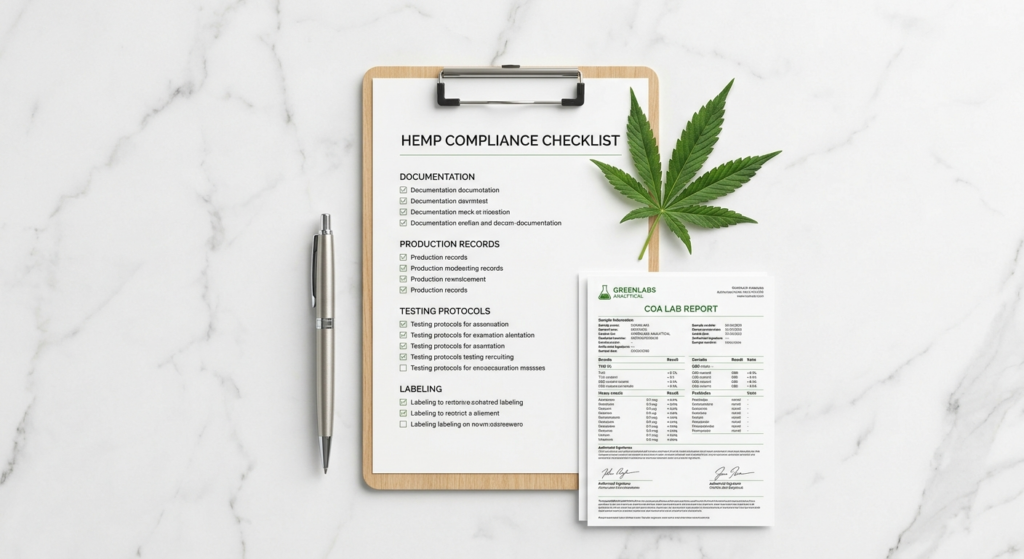
Hemp operators are updating SOPs for product labeling, reformulating recipes, and preparing new compliance documents to meet the evolving standards. For practical guidance on reformulation, consult the latest tips in the Compliance Checklist and use ongoing COA reviews to ensure every product remains below the federal limits.
Navigating Labeling and SOP Changes
Federal compliance after the hemp cliff is a complex process requiring precise product testing and transparent record-keeping. Businesses must prepare new batch tracking systems, audit ingredient sourcing, and train staff on up-to-date compliance protocols for seamless adaptation to new thca laws.
How Will Federal vs State Law Play Out After the Hemp Cliff?
A complicated aspect of the post-cliff period is reconciling changes in federal law hemp with patchwork state regulations. The H.R. 5371 bill is a federal mandate, yet individual states retain authority to adopt stricter standards, delay enforcement, or allow certain products under their own rules.
Which Side Bites First? Federal Enforcement or State Action
- Federal Risk: Non-compliant products can be seized, and businesses face Schedule I penalties, including banking challenges and asset forfeiture.
- State Variability: Some states may enforce their own bans earlier than the federal date or permit gray-market operations until forced to comply.
- Legal Uncertainty: States like Texas have issued temporary restraining orders on local THCA prohibitions, complicating the enforcement environment for buyers and sellers.
Businesses must regularly reference tools like the live State Map to track changing state-level requirements and update compliance plans as needed.
What Should Wholesale Buyers Do Now?
Wholesale buyers can prepare for the federal hemp ban with a systematic action plan.
- Audit inventory for total THC content using the new calculation.
- Sell down any high-THCA, Delta-8, or non-compliant products before November 12, 2026.
- Review lab reports for each SKU see the Lab Results page.
- Check with all suppliers about reformulation and compliance timelines.
- Update all product labels to clearly show total THC per container.
- Discontinue or reformulate SKUs that cannot meet new federal law hemp standards.
- Review payment processing contracts and banking relationships for changes in risk status.
- Monitor state-specific rules for every state where you ship products using the live State Map.
- Explore state cannabis licensing options for post-ban product categories.
- Develop an unsold inventory plan for safe disposal or repurposing.
- Provide staff training on new THCA laws, federal compliance steps, and documentation.
- Maintain updated SOPs for regulatory audits and rapid compliance response.
For detailed operational resources, explore the About page or get in touch via the Contact form.
Common Mistakes Wholesale Buyers Make Before the Hemp Cliff
Many businesses risk severe consequences by misunderstanding or mismanaging their transition before the H.R. 5371 summary clauses take full effect.
- Failing to track or liquidate at-risk inventory before the deadline, leaving products subject to seizure under the federal hemp ban.
- Overlooking state compliance updates and assuming only federal rules will apply.
- Delaying reformulation efforts until the last minute, which can lead to product write-offs or rushed, non-compliant replacement SKUs.
- Not recalculating lab results using the total THC formula, risking accidental violations of new standards.
- Placing late wholesale orders that can’t be sold before the November 12, 2026 deadline.
- Ignoring banking and payment processor updates, which are closely tied to federal compliance status.
Regularly reviewing compliance resources, such as the Blogs, and tracking guidance from trusted external authorities will help your business minimize risk during this unprecedented shift in hemp market rules.
Should You Reformulate, Exit, or Transition Post-Cliff?
Making the right decision ahead of the federal hemp ban depends on your business model, product focus, and ability to adapt.
Evaluate:
- Product Portfolio: Do your SKUs currently exceed the new THC limits? If so, reformulation or licensing is needed.
- State Markets: Are you selling in states with early or delayed bans? State compliance may dictate your business path.
- Investment Resources: Can you afford the cost of reformulation labs, batch testing, CBD dominant product development, or state licensing processes?
- Long-Term Strategy: Is your primary market interested in non-intoxicating, compliant hemp products, or do you need to pivot entirely to licensed cannabis?
Review the newest compliance articles and consult industry experts before making permanent operational changes.
FAQs
1. Is THCA Still Legal After H.R. 5371?
Following the implementation of the H.R. 5371 bill, THCA is federally illegal in any product exceeding the 0.3% total THC dry weight or 0.4 mg per container cap. This includes nearly all current THCA flowers and vapes, although state hemp law may vary.
2. How Should I Prepare My Inventory Before the Deadline?
To prepare, take these steps:
- Audit all inventory for total THC using the new formula
- Liquidate soon-to-be-banned products immediately
- Confirm last legal shipping dates with every supplier
- Relabel SKUs with updated total THC content
- Consider consulting a hemp compliance expert
3. Can My Product Still Qualify as Hemp If Reformulated?
Yes, reformulation is possible. If the product falls under the 0.4 mg per container cap and the 0.3% total THC threshold, it can still qualify as legal hemp. This may require reducing dose sizes, changing the blend, or shifting to CBD-only products.
Conclusion
The H.R. 5371 bill and the resulting federal hemp cliff will radically reshape the hemp market, particularly for THCA wholesale buyers. With new total THC calculations and a strict 0.4 mg per container limit, most intoxicating products will be banned federally after November 12, 2026. To maintain business viability and federal compliance, act now audit inventory, plan reformulations, and align your operations with the new legal era.