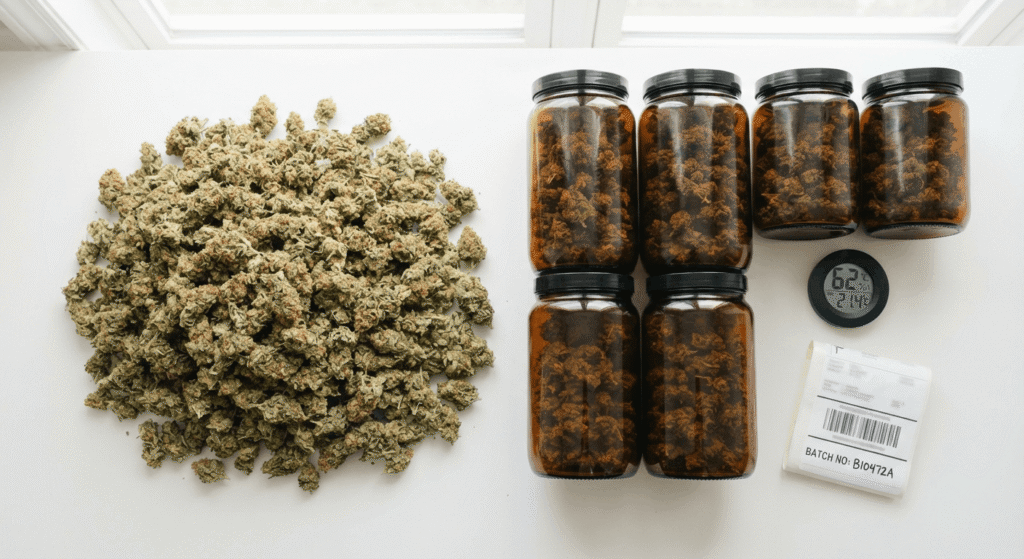
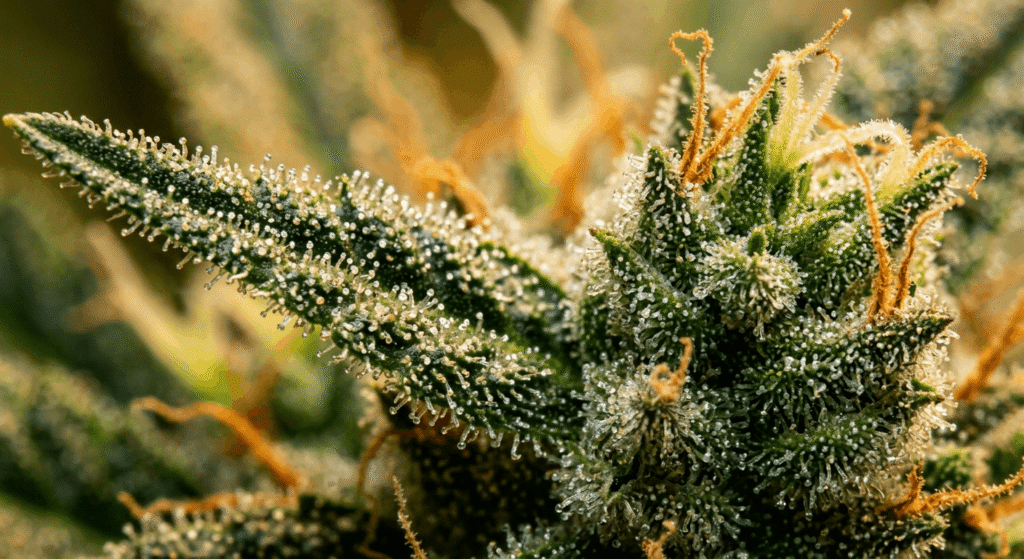
Quick Answer Box: Terpenes are naturally occurring aromatic compounds found in plants, including cannabis, citrus, and pine. The primary purpose of terpenes is to provide scent and flavor, but they may also offer therapeutic and wellness benefits. Research into terpenes’ effects, especially their synergy in products like cannabis, continues to grow rapidly.
TL;DR
- Over 20,000 terpenes are identified in nature, with 150–200 unique to cannabis and hemp plants.
- Terpenes are responsible for the aroma, flavor, and some biological effects of plants and essential oils.
- Myrcene, limonene, and pinene are among the most common terpenes studied for wellness benefits.
- Official agencies like the USDA and FDA regulate terpene-containing hemp and cannabis products in the USA.
What are Terpenes?
Terpenes are a large class of unsaturated hydrocarbons built from isoprene units and primarily produced by plants, but also by some insects. These organic compounds are responsible for the distinctive aromas and flavors found in a variety of plants, such as citrus fruits, pine trees, and cannabis. Terpenes serve critical ecological roles, including attracting pollinators, deterring pests, and protecting plants against environmental stresses, while also laying the foundation for their diverse applications in wellness and industry.

Terpenes Meaning and Classification
The term “terpenes meaning” refers to these natural hydrocarbons, constructed from repeating isoprene molecules. Throughout the plant kingdom, terpenes are ubiquitous and are chemically distinct from terpenoids, which are modified or oxidized through processes like drying or curing. Terpenes are categorized by the number of isoprene units they contain:
- Monoterpenes: Two isoprene units (10 carbons), such as limonene and pinene.
- Sesquiterpenes: Three isoprene units (15 carbons), including β-caryophyllene.
- Diterpenes: Four isoprene units (20 carbons), such as cafestol found in coffee.
- Triterpenes, Sesterterpenes, etc.: Larger structures with a wide range of functions.
In their pure form, terpenes are colorless, volatile, water-insoluble, and highly flammable. Understanding terpenes meaning allows consumers and manufacturers to differentiate products, interpret ingredient labels, and recognize the subtle distinctions between terpene-rich and terpenoid-altered goods. This distinction is particularly important in products such as concentrates, badder, or essential oils found on specialized shop platforms.
How Terpenes Work: Aroma, Function, and Plant Roles
Terpenes are the chemical architects behind the distinctive smells and flavors in plants—whether you’re drawn to the tang of citrus, the freshness of pine, or the sweetness of mango. Plants deploy terpenes for multiple biological purposes:
- Attracting Pollinators: Aromatic profiles lure beneficial insects such as bees and butterflies.
- Defense Mechanisms: Some terpenes repel herbivores, combat pests, and limit microbial growth.
- Plant Signaling: Released terpenes can warn surrounding flora of threats, promoting community resilience.
Humans have harnessed these properties in everyday products. Essential oils, the standard bearers of aromatherapy, are renowned for their terpene content. From scented candles and perfumes to cleaning agents and food flavorings, terpenes add value across consumer goods. In fact, the interaction between terpenes and our olfactory system profoundly influences choices in flowers, wellness products, and personal care routines, making terpenes essential to our sensory lives.
Terpenes Essential Oils: A Key Area of Use
Terpenes essential oils represent a vital sector in natural health, personal care, and alternative medicine. The concentrated terpene profiles within essential oils can offer varying therapeutic effects, and their quality is often verified via lab results to ensure potency and safety.
Major Types of Terpenes and Their Characteristics
Among the thousands of known terpenes, a select few dominate in scientific research, commercial products, and consumer exploration:
- Myrcene: This earthy, musky-smelling terpene is common in mangoes, hops, thyme, lemongrass, and most cannabis strains. Scientific and anecdotal research suggest myrcene may contribute to muscle relaxation and sedative effects, making it a popular focus for those interested in terpenes for pain and sleep.
- Limonene: Responsible for zesty lemon and orange aromas, limonene is found in citrus peels and cleaning products. Beyond its scent, it’s investigated for mood-lifting and anti-anxiety properties, supporting use in wellness-oriented aromatherapy blends.
- α-Pinene and β-Pinene: Giving off a classic pine scent, these occur in pine needles, rosemary, and basil. Research points to their anti-inflammatory effects and possible support for memory and alertness. They figure prominently in full-spectrum cannabis concentrates.
- Linalool: Delivering a soft, floral lavender note, linalool appears in lavender, mint, and several cannabis varieties. It’s most recognized for potential anti-anxiety and calming effects, often incorporated into essential oil blends for stress management.
- β-Caryophyllene: Characterized by a spicy, peppery aroma, this terpene is present in black pepper, cloves, and hemp. Uniquely, β-caryophyllene binds to CB2 cannabinoid receptors, linking directly to potential pain relief and anti-inflammatory benefits.
- Humulene: With woody and herbal undertones, humulene is found in hops, coriander, and cloves. It is reputed for anti-inflammatory abilities and research into appetite-suppressant functions.
- Terpinolene: This herbal and floral terpene resides in apples, cumin, and some cannabis cultivars, showing antioxidant and possible sedative qualities.
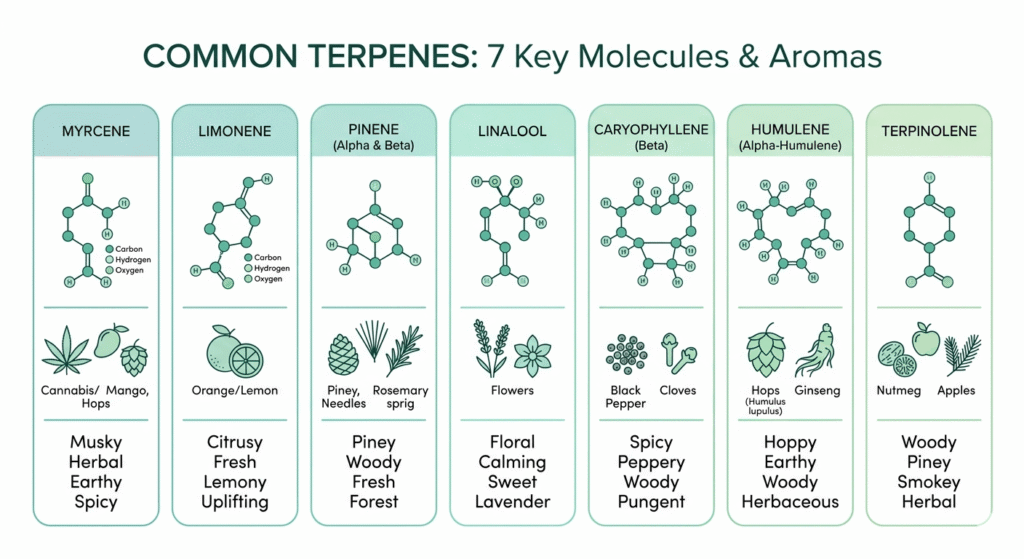
Terpene characteristics such as source, scent, and biological activity provide the blueprint for their extensive use in food, cosmetics, aromatherapy, and modern holistic wellness.
Cannabis Terpenes: Unique Attributes
Cannabis terpenes, found in hemp and marijuana plants, are especially significant: they shape not just the smell and taste, but also the subjective effects and medicinal qualities experienced by users. Each strain or concentrate boasts a signature blend of terpenes, often highlighted on product packaging and lab reports, making understanding these profiles essential for conscious purchaser decisions.
Terpenes Benefits: Health, Wellness, and Therapeutic Uses
Terpenes benefits span a remarkable array of potential health and wellness applications, drawing attention from scientists and health enthusiasts alike. Key documented and research-driven benefits include:
- Anti-Inflammatory: Pinene, caryophyllene, and myrcene may help mitigate inflammation, beneficial for chronic pain and auto-immune conditions. For instance, anti-inflammatory effects have been highlighted in several Frontiers in Pharmacology reviews.
- Analgesic (Pain Relief): Myrcene and caryophyllene, in particular, are under investigation for their roles in pain modulation, complementing or enhancing other plant-based compounds.
- Anti-Anxiety: Limonene and linalool are commonly studied for their calming, mood-elevating effects, making them popular in blends for those seeking natural support for anxiety.
- Antioxidant Activity: Certain terpenes protect cells from free-radical damage, potentially supporting long-term brain and heart health.
- Antimicrobial Effects: Some terpenes suppress bacterial and fungal growth, prompting their widespread use in cleaning products and topical wellness preparations.
Clinical data on terpenes is still developing, and more robust human research is required to establish standardized dosing, efficacy, and safety. However, regulatory agencies such as the FDA are increasingly involved in monitoring label claims and safety standards for products containing these compounds.

Terpenes for Anxiety and Mood Support
Research on terpenes for anxiety demonstrates promising results. Linalool (commonly found in lavender), limonene, and myrcene are prominent candidates for promoting relaxation, easing anxiety symptoms, and supporting sleep. Studies suggest inhaling these terpenes as part of aromatherapy or using them in combination with other plant extracts can result in measurable stress relief for some individuals.
Terpenes for Pain Relief
The use of terpenes for pain is an area of active exploration. Myrcene, β-caryophyllene, and even pinene have been shown in both preclinical and limited human studies to reduce the perception of pain, dampen inflammation, and contribute to holistic pain-management solutions, especially when working synergistically with cannabinoids.
Best Terpenes for Sleep and Relaxation
If you are choosing the best terpenes for sleep, focus on products rich in myrcene and linalool. These have the strongest evidence for promoting rest and deep relaxation. Terpene-rich essential oils or cannabis strains labeled for “sleep” will often highlight these as dominant components.
Terpenes in Cannabinoids: Collaborative Effects
Terpenes in cannabinoids form a central part of what makes each cannabis product unique. In cannabis, terpenes do more than influence scent—they can affect how cannabinoids like THC and CBD interact within the body. This connection is highlighted by the “entourage effect,” a scientific principle suggesting terpenes and cannabinoids work together, modifying or amplifying physiological outcomes.
- Effect Modulation: Terpenes shape user experiences, potentially increasing relaxation, promoting energy, or sharpening focus depending on the specific profile.
- Entourage Effect Cannabis: When cannabinoids and terpenes are consumed together, their synergy may produce stronger or differently balanced therapeutic outcomes than either would alone.
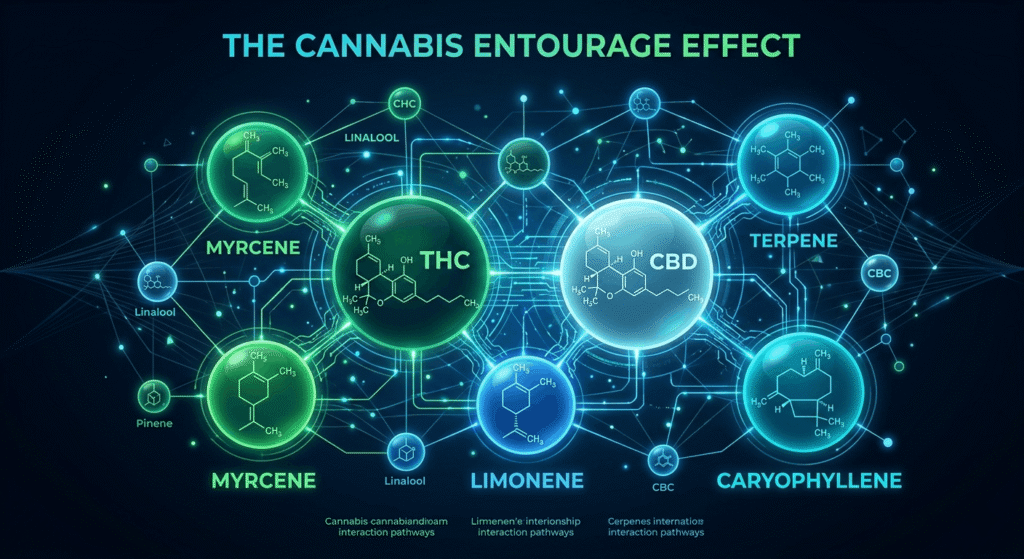
Key cannabis terpenes such as myrcene, limonene, pinene, and caryophyllene contribute to both the flavor and the unique “feel” of different strains or formulated products. Dispensaries and wholesale pricing sources increasingly market craft cannabis by detailed terpene profile—encouraging consumers to select according to effect, not just THC or CBD level.
To further explore the concept of the entourage effect, see our recommended article: The Entourage Effect Explained: How Terpenes and Cannabinoids Work Together.
How to Use Terpenes
Effectively using terpenes, whether for wellness, culinary, or aromatic purposes, requires an understanding of product composition, safety, and desired outcomes. Here’s a practical guide:
- Identify Your Goal: Decide if you want terpenes for aromatherapy, mood elevation, pain relief, or enhancing a cannabis experience.
- Interpret Terpene Profiles: Review a terpene chart or product label to determine dominant and minor terpenes, using resources like lab results or product information from concentrates.
- Make an Informed Choice: Select essential oils, cannabis flowers, or concentrates with terpene blends aligned to your intended effects.
- Start Slowly: For new users or when trying unfamiliar terpene-rich products, begin with a small dose to gauge sensitivity. Monitor any responses, especially when inhaling or consuming products like distillate or hash.
- Monitor Your Reactions: Keep notes on personal effects to refine future choices, since genetic and situational factors can alter your experience.
- Store Properly: Shield your terpene products from light, oxygen, and heat to maintain strength and aroma. Tip: refrigeration or cool dark storage is best, and airtight glass containers prevent loss of volatiles.
Identifying Terpene Profiles with a Terpene Chart
A terpene chart provides a visual and numerical summary of a product’s predominant terpenes. These charts include the names and concentrations of each terpene, as well as descriptions of their characteristic aromas and purported effects. Many high-quality cannabis brands, essential oil suppliers, or manufacturers of live resin publish terpene charts for consumer reference.
Using a terpene chart helps you to:
- Evaluate products based on expected aroma, potency, and effects.
- Select the right mix of terpenes for relaxation, creativity, or pain management.
- Confirm quality and authenticity, particularly with third-party verification listed in lab results.
Best Practices for Storage and Preservation
Proper storage of your terpenes-rich products is critical for protecting therapeutic value and sensory qualities.
- Use airtight glass jars: Prevent volatility and maintain aroma integrity.
- Cool, dark environments: Room temperature is adequate for some products, but refrigeration is recommended for essential oils and premium concentrates.
- Minimize air exposure: Quickly reseal after each use.
- Scent separation: Store individual terpenes separately to avoid aroma blending.

For a comprehensive overview on maintaining potency, see our article on cannabis concentrate storage tips.
Terpenes Comparison: Main Types, Effects, and Uses
| Terpene | Aroma/Flavor | Plant Sources | Possible Effects | Common Uses |
|---|---|---|---|---|
| Myrcene | Earthy, musky | Mango, hops, cannabis | Relaxation, sedation, pain relief | Cannabis, essential oils |
| Limonene | Citrus, lemon | Citrus peels, rosemary | Uplifting, anti-anxiety | Cleaning, mood, aromatherapy |
| Pinene (α, β) | Pine, fresh | Pine needles, basil | Alertness, anti-inflammatory | Essential oils, herbal meds |
| Linalool | Floral, lavender | Lavender, mint | Relaxing, calming, anti-anxiety | Aromatherapy, cosmetics |
| β-Caryophyllene | Spicy, peppery | Black pepper, clove | Pain relief, anti-inflammatory | Topicals, dietary, cannabis |
| Humulene | Woody, herbal | Hop, coriander, cloves | Appetite suppression, anti-inflammatory | Supplements, food flavoring |
| Terpinolene | Herbal, floral | Apples, cumin, cannabis | Antioxidant, possible sedative | Perfume, cannabis, oils |
Common Mistakes When Using or Understanding Terpenes
Despite their growing popularity, users often fall into common pitfalls related to terpenes:
- Mixing up terpenes and terpenoids: Remember, only terpenes are pure hydrocarbons—terpenoids have been chemically modified, usually during plant aging or by exposure.
- Assuming universality of safety: Not all terpenes are risk-free at high doses. Overusing concentrated terpenes, especially by inhalation or ingestion, may lead to irritation or other adverse responses.
- Predicting all effects from smell alone: Individual genetics and environmental context determine how terpenes are perceived and metabolized; do not rely exclusively on aroma to predict experience.
- Ignoring proper storage: Improper handling or storage will degrade aroma and diminish anticipated benefits.
- Skipping third-party lab checks: Product quality and safety should always be verified by examining lab results from trusted vendors.
Learning from these mistakes helps maximize the benefits of terpenes, whether utilizing rosin, sugar, or any other terpene-forward item.
Frequently Asked Questions
1. What is the difference between terpenes and terpenoids?
Terpenes are pure hydrocarbons assembled from isoprene units and are found in living plants. Terpenoids, by contrast, are chemical variations produced typically during oxidation or natural plant processing, altering both their properties and potential therapeutic effects.
2. Are terpenes safe to consume or inhale?
Most terpenes present in food or essential oils are safe when used at typical concentrations and purchased from reliable sources. Regulatory authorities like the FDA supervise the safety of these compounds. However, inhaling or ingesting excessive amounts—or very strong forms—could result in irritation or health risks. Always opt for products with transparent third-party lab verification.
3. How do terpenes influence the effects of cannabis?
Cannabis terpenes define each strain’s aromatic profile and help modulate its physical and mental impacts. Through the entourage effect, terpenes can work with cannabinoids to shape relaxation, alertness, or relief from discomfort. For example, high-myrcene strains may produce more sedative effects, while limonene-dominant varieties typically feel more energizing.
4. Can terpenes be found in products other than cannabis?
Yes, terpenes are found in a wide array of consumer goods beyond cannabis. They are prolific in essential oils, household cleaners (notably limonene), perfumes, food items, cosmetics, and more. Their versatility in flavor and bioactive potential is leveraged across industries.
5. How do I choose the right terpenes for my needs?
Start by defining the effect or benefit you seek—relaxation, pain relief, enhanced mood, or another outcome. Review terpene charts on product labels or request lab results for verified breakdowns. Prioritize reputable brands and, for important wellness needs, consult with skilled dispensary staff or a qualified healthcare provider.
Conclusion
Understanding what are terpenes is crucial for making informed choices across cannabis, essential oils, and wellness industries. Terpenes not only define the signature aroma and taste of natural and cannabis-derived products, but also provide a diverse range of potential benefits from relaxation to targeted symptom relief. As both regulatory bodies such as the USDA and the marketplace give increasing attention to terpene science and quality, having a clear grasp of terpene profiles and their interactions will empower consumers to tailor their aromatherapy, dietary, or cannabis experiences for maximum wellness and enjoyment.