Quick Answer Box: Indica vs sativa vs hybrid are the main categories used to classify cannabis strains. Indica strains are associated with relaxing effects, sativas with uplifting ones, and hybrids blend both. However, modern research shows that cannabinoid and terpene profiles are more accurate indicators of potency and experience than these legacy labels.
What is Indica vs Sativa vs Hybrid?
Indica vs sativa vs hybrid describes the three primary types of cannabis plants. Indica plants are short and bushy, traditionally believed to offer relaxing effects. Sativa plants are tall and slender, linked with uplifting or energizing results. Hybrids combine characteristics of both families through crossbreeding. However, almost all cannabis strains available in modern dispensaries are technically hybrids, and laboratory testing reveals that chemical composition—specifically cannabinoids and terpenes—matters more than category for predicting effects or potency.
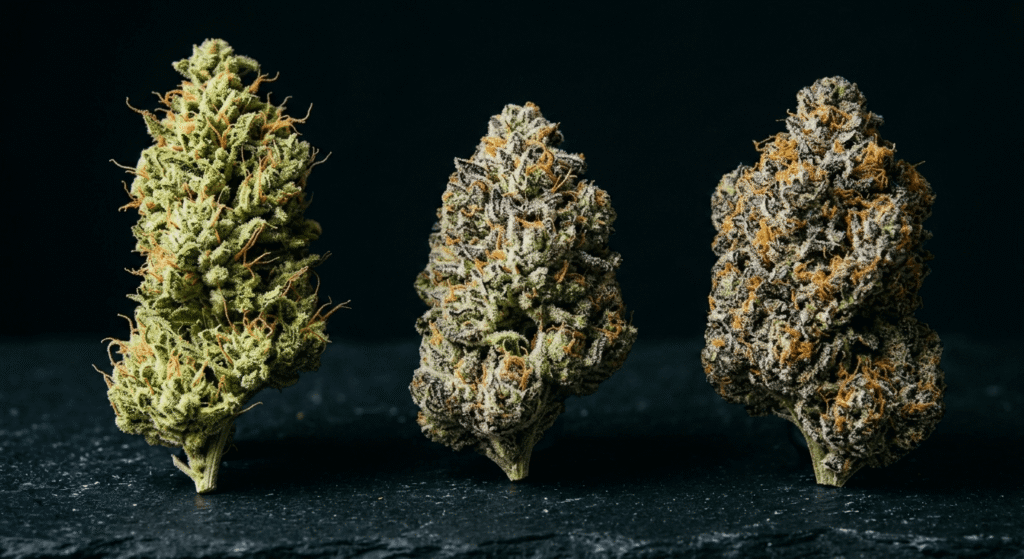
Botanical and Morphological Differences
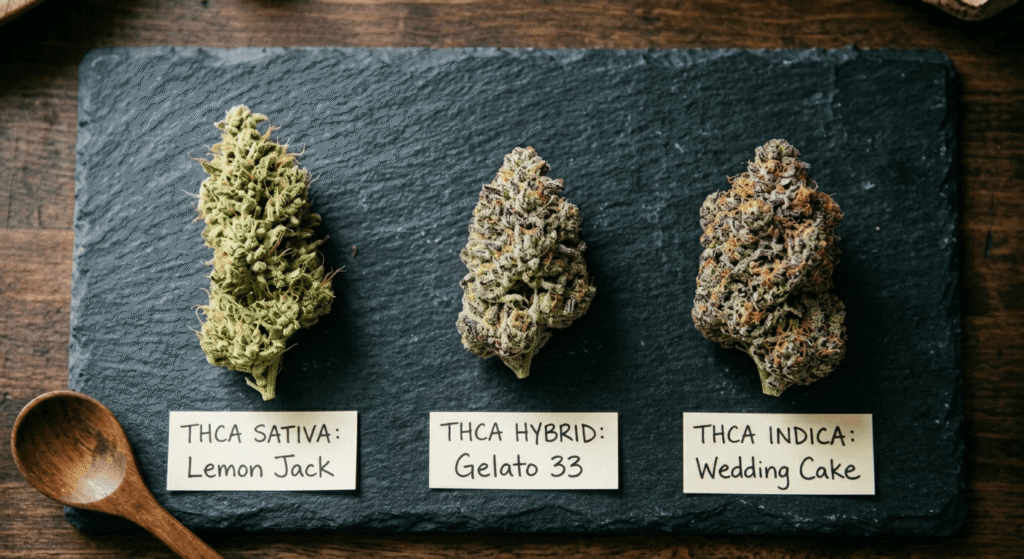
Indica cannabis plants typically appear short, dense, and have broad leaves. These varieties originate from chilly, mountainous Asian regions like the Hindu Kush, which selected for compact growth and resilience to cold. Sativa cannabis plants are tall, thin, and have narrow leaves. They thrive in warm, humid climates, including parts of Central and South America and Africa, displaying impressive height and wind-tolerant structure. Hybrids, now the overwhelming majority of strains sold, vary dramatically in appearance and blend features from both indica and sativa.
Dispensary shelves almost always offer hybrid varieties, even if a product is labeled as “indica” or “sativa.” Studies by Vibe By California and CannaRadar confirm that genuine, unhybridized indicas or sativas are virtually absent in North American shops today. Over 90% of strains analyzed in 2026 dispensary inventories were classified as hybrids, underlying the importance of understanding what’s really in your cannabis.
How Plant Structure Affects the Consumer
Many consumers perceive indica-style plants as best for indoor grows and sativa for outdoor, due to their growth patterns. However, modern cultivation employs training techniques and hybrid genetics, which allow growers to optimize yield and cannabinoid production for both environments. Recognizing these morphological differences can inform grower choices but tells consumers little about expected flavor profile or effects.
Effects and Potency: Busting the Myths
For decades, people believed indica strains induced heavy relaxation and sativas stimulated creativity or energy. Hybrids were assumed to offer a mix, combining their parents’ effects. Yet, scientific research and extensive user data demonstrate that such links between category and effects do not hold up under scrutiny.
The main factors driving a strain’s impact are cannabinoid content (primarily THC, THCA, CBD, and minor cannabinoids like CBN and CBG), terpene profile, and the unique biochemistry of the individual user. This cumulative process, often called the “entourage effect,” is responsible for subjective differences in experience and potency. For example, two sativa-labeled strains with different ratios of THC, CBD, myrcene, or limonene may deliver opposite effects—relaxing for one user, energizing for another.
Laboratory-tested potency is measured by percentages of key cannabinoids such as THC and THCA. Sativa-leaning strains may test between 18% and 24% total THC, but hybrids and indica-dominant varieties often match or surpass those numbers depending on breeding and growing conditions.
The Role of Lab Testing in Determining Potency
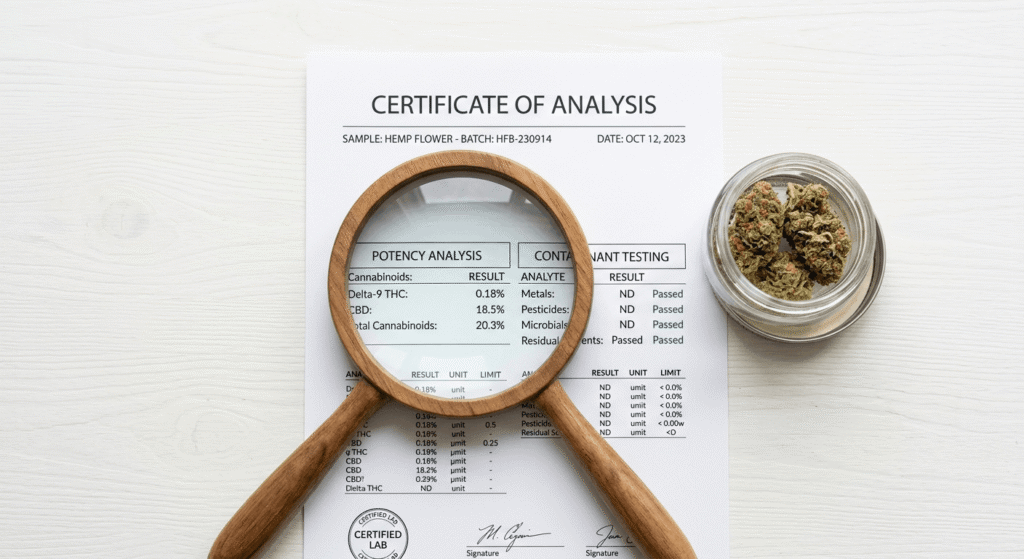
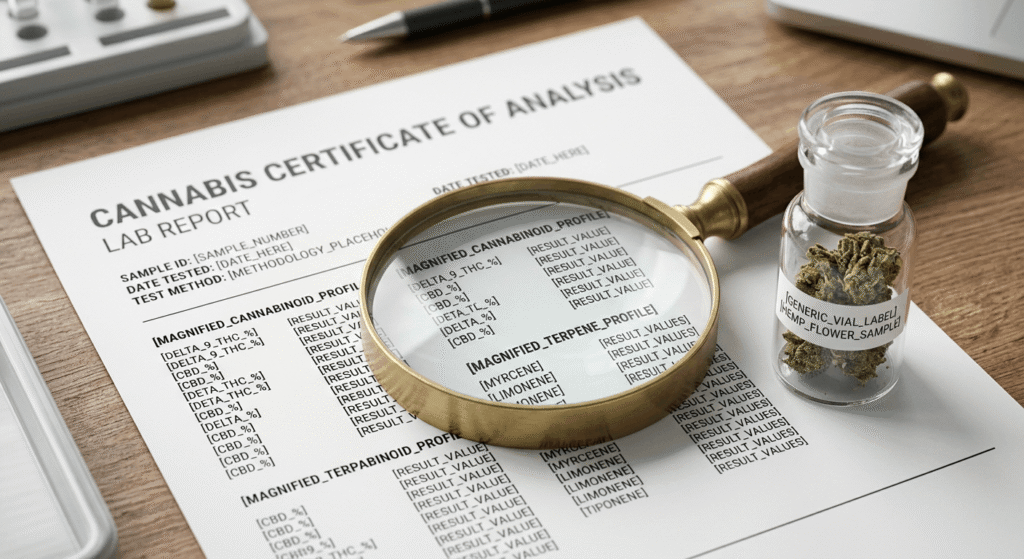
Lab testing is crucial to understanding what you are buying. Certificates of Analysis (COAs) provide verified breakdowns of THC, THCA, and CBD content, and allow consumers to compare products on potency and safety, regardless of how they are categorized by variety.
Cannabinoid and Terpene Profiles
Cannabinoids are the molecules that define the core effects of cannabis. THC and CBD are the most famous, but compounds like THCA and CBG also play important roles. The unique “THCA flower difference” is that THCA is a non-intoxicating precursor to THC. Only after heating, such as through smoking or vaping, does THCA decarboxylate and produce a psychoactive effect. The 2024 Farm Bill and current USDA hemp guidelines specify that legal hemp is Cannabis sativa L. with under 0.3% delta-9 THC, but this limit does not count THCA—enabling the legal sale of high-THCA flower as long as it meets the delta-9 criteria.
THCA flower compared to THC products: THCA flower is non-intoxicating until decarboxylated, making it federally compliant in many contexts. THC in concentrates like distillate is already active and psychoactive before consumption.
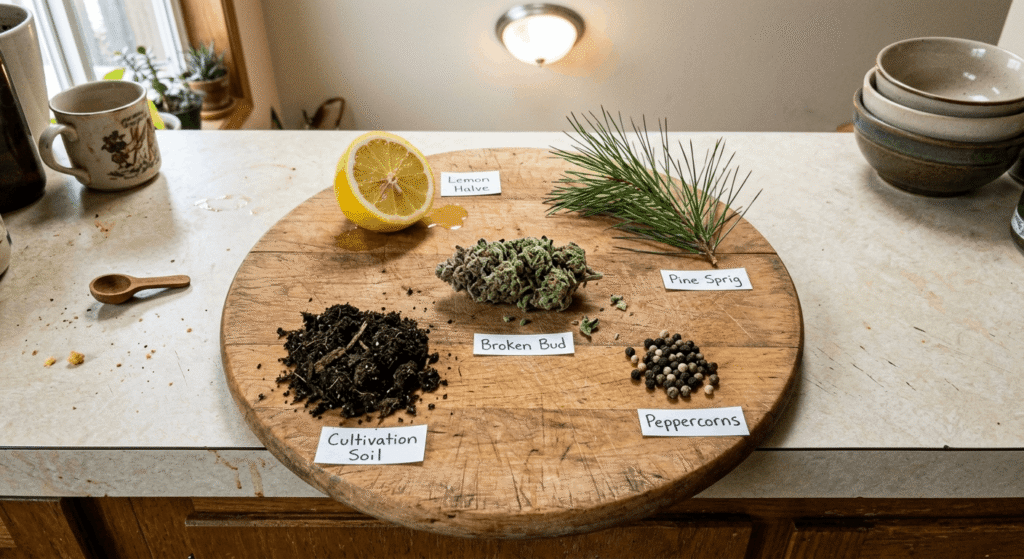
Terpene profiles are molecular fingerprints that give cannabis its signature aroma and flavor profile, while also nudging the direction of effects. Common terpenes include myrcene (earthy, musky, often relaxing), limonene (citrus, mood elevation), caryophyllene (spicy, potential anti-inflammatory), and pinene (pine aroma, possibly promoting alertness). Individual strains often list their dominant terpenes, and many consumers select products with preferred terpene profiles to match desired flavor and experience.
How Lab Testing Reveals Potency and Effects
A reliable COA or lab report shows not just THC or CBD, but also minor cannabinoids and a full terpene profile. Consumers who review these lab results gain the best insight into potency, legal compliance, and expected effects, rather than depending on umbrella categories such as indica vs sativa vs hybrid.
If you want to learn more about interpreting these reports, see our How to Read a THCA Certificate of Analysis (COA): A Buyer’s Guide.
Flavor Profile and Sensory Experience
A cannabis strain’s flavor profile includes aromas and tastes stemming from its unique mix of terpenes and flavonoids. Indica-dominant strains often feature sweet, earthy, or musky overtones, while sativa-leaning strains exhibit brighter, citrus, or fruity characteristics. Hybrids can express any blend imaginable, resulting in a vast spectrum of flavor experiences.
Products descriptively named “blueberry,” “lemon haze,” or “bubblegum” are often high in myrcene, limonene, or linalool, resulting in potent fruit, candy, or floral flavors. For some consumers, aroma and flavor profile are as important as the effect, contributing to a satisfying overall experience.
Matching Flavor Preferences with Lab Data
Advanced consumers now examine lab data—including detailed terpene analysis—before making a decision, seeking strains that align with their preferred flavor profile and effects.
For more on picking by sensory profile, read our Cannabis Terpenes and Effects: Expert Guide.
THCA Flower Types: Indoor, Outdoor, Greenhouse, and Bulk
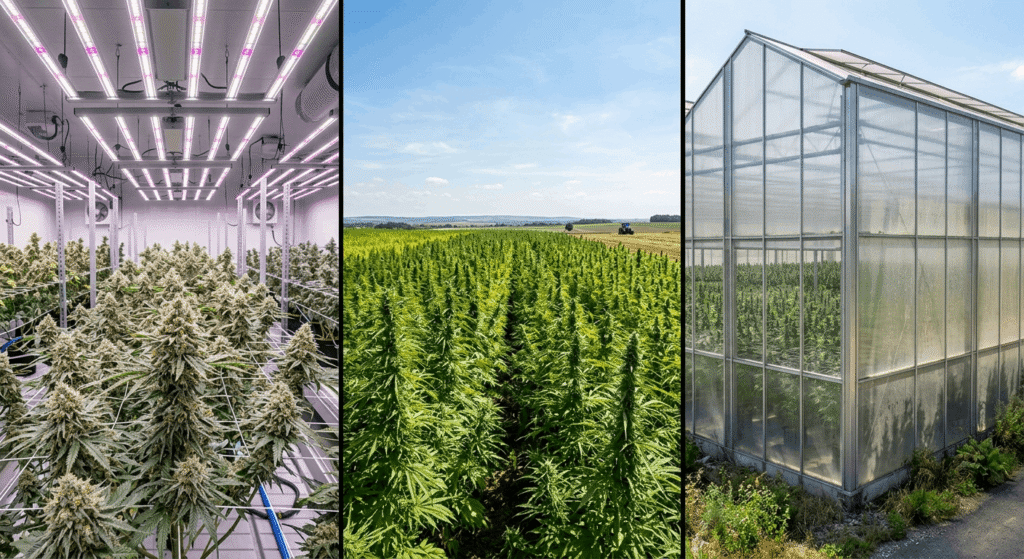
Indoor THCA Flower
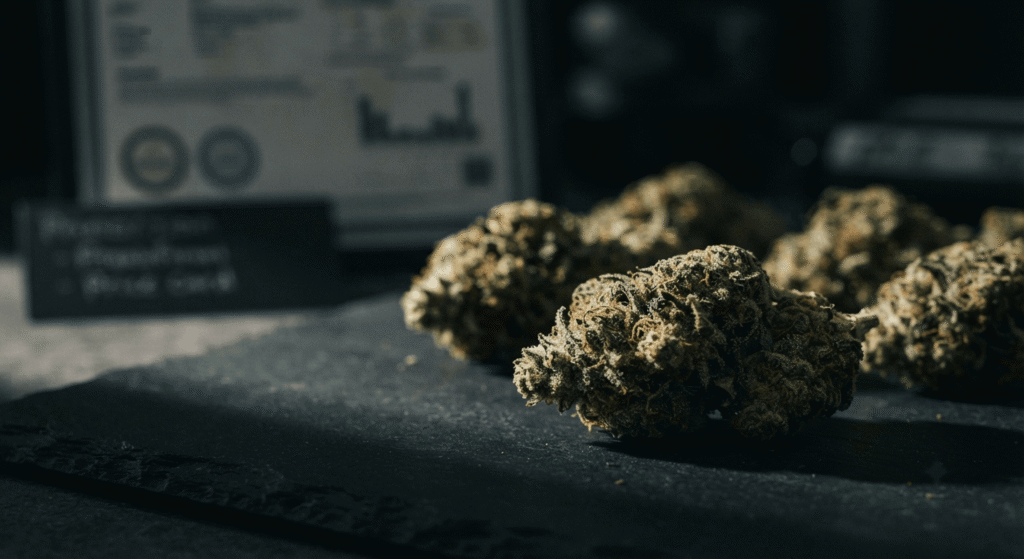
Indoor THCA flower is cultivated under controlled lighting, temperature, and humidity. This translates to denser buds, more consistent trichome coverage, and generally higher potencies compared to outdoor options. Indoor-grown buds are prized by connoisseurs for their vivid colors, intense terpene profiles, and overall “bag appeal.” Premium indoor THCA flower is often in demand among those seeking the most potent and flavorful experience (see bulk THCA flower for commercial buyers).
Outdoor THCA Flower
Outdoor THCA flower is grown in natural sunlight and exposed to the elements. While these buds typically offer earthier flavors and may have variable potency, outdoor cultivation allows for larger yields and reduced production costs. Outdoor THCA flower often appeals to those who value sustainability, affordability, and unique regional terpene expressions. For manufacturers or commercial operators, buying in bulk THCA flower can provide quality at scale, especially with verified lab testing to assure potency.
Greenhouse THCA Flower
Greenhouse THCA flower marries the sun-grown benefits of outdoor with the environmental control of indoor cultivation. By using glass or plastic enclosures and supplemental climate management, growers achieve strong potency, nuanced terpene profiles, and lower costs compared to fully indoor production. Greenhouse-grown buds are gaining favor for their quality-to-price ratio.
Bulk THCA Flower Considerations
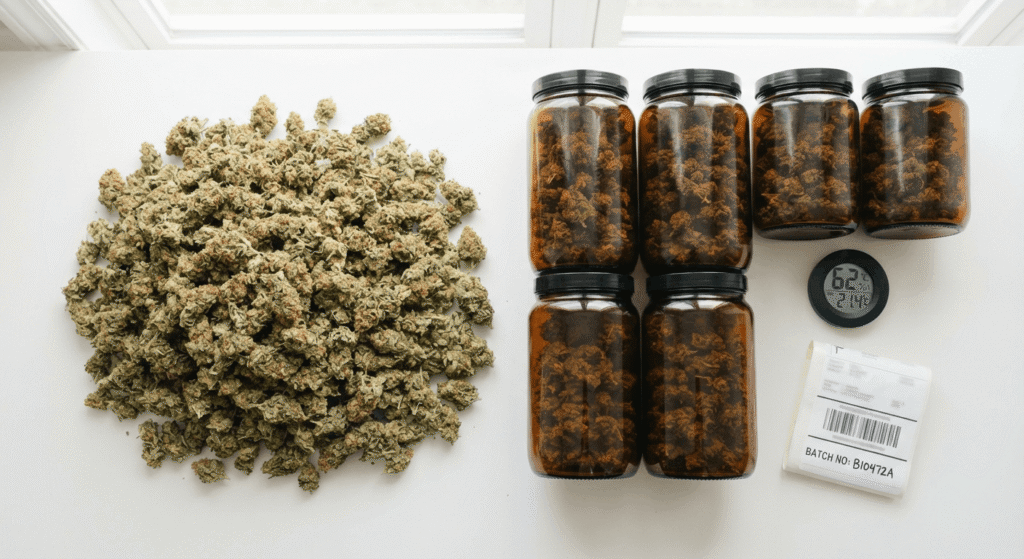
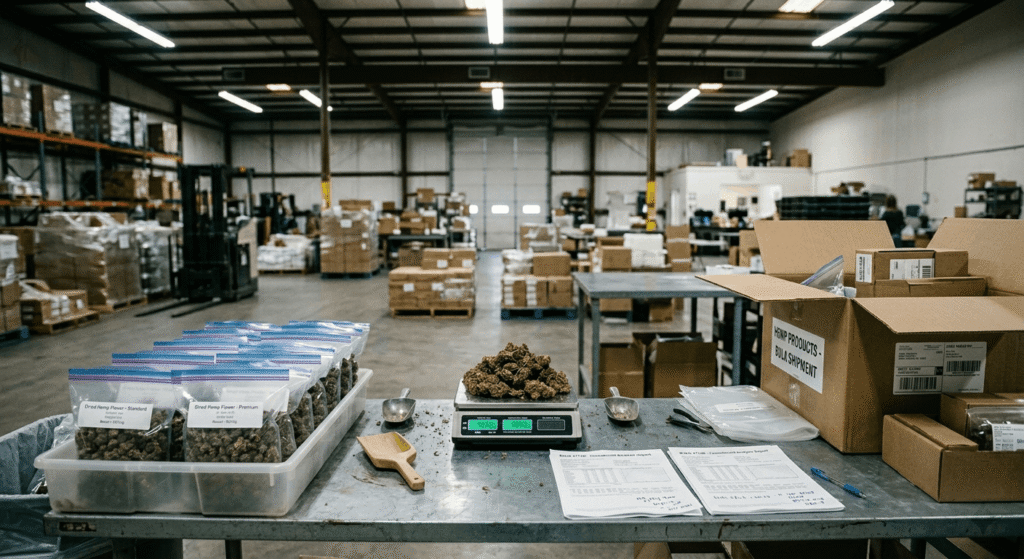
Bulk THCA flower refers to wholesale quantities—often purchased for extraction, resale, or manufacturing infused goods. Whatever the source (indoor, outdoor, greenhouse), buyers must confirm cannabinoid and terpene content using current lab reports, since quality and potency can vary dramatically between batches. Understanding lab testing and robust sourcing is crucial for anyone dealing in large volumes of THCA flower.
For more information or pricing for your business, visit Wholesale Pricing.
Cultivation Method Impacts Potency and Compliance
Cultivation style not only influences flavor profile and potency, but also affects price, legal status, and intended use. Indoor-grown buds, for instance, may achieve higher potency and richer terpene profiles but command higher prices. Outdoor and greenhouse-grown options allow for scale and price flexibility, appealing to businesses or consumers buying in bulk.
Indica vs Sativa vs Hybrid
| Feature | Indica | Sativa | Hybrid |
|---|---|---|---|
| Plant Appearance | Short, bushy, broad leaves | Tall, slender, long leaves | Varies—mix of parents |
| Origin | Hindu Kush region (Asia) | Central/South America, Africa | Global, via crossbreeding |
| Effects (Trad’l) | Relaxing, sedation | Energizing, creative | Mixed—depends on genetics |
| Potency Range | Wide THC/CBD variation | Often higher THC, some CBD | Depends on breeding/testing |
| Typical Use Cases | Evening, sleep, relaxation | Daytime, focus, social use | Versatile, review lab/COA |
| Flavor Profile | Earthy, musky, sweet | Citrus, fruity, floral | Wide—blend of parental traits |
How to Choose the Right Strain for You
- Determine Your Primary Goal
Clarify whether you seek relief from pain, aid for sleep or anxiety, improved mood, creativity, or simply enjoyment. Factor in your cannabis experience: are you a beginner, daily user, or do you consume occasionally? Consider when and where you plan to use—some favor daytime focus, others relaxation at night. - Understand Lab Testing & Product Labels
Always review the COA/lab report for each strain before purchase. Examine THC and THCA content for potency, check for CBD and minor cannabinoids for balanced effects, and review the terpene profile to guide flavor and expected influence. Ensure compliance with the 2024 Farm Bill, which requires “hemp” flower to remain below 0.3% delta-9 THC by dry weight as enforced by the USDA.
To learn more about interpreting COAs, see our guide, How to Read Cannabis COA. - Consult Dispensary Experts or Budtenders
Engage knowledgeable staff at your dispensary and share both your goals and past experiences. Budtenders can explain lab tests, suggest strains with desired potency or flavor profile, and direct you toward flower, concentrates, badder, crumble, rosin, live resin, or other formats based on your preferences. - Try Small Amounts and Keep Track
Start with small quantities of your selected strain, especially when trying a new product or vendor. Note your physical and mental reactions, both positive and negative. Over time, refining your choices and referencing past experiences will help target the terpene and cannabinoid profiles that suit you best. - Confirm Reliability of Vendors
Only purchase from trustworthy sources that offer third-party lab testing. Check their About page for company background, request recent lab results, and avoid sellers unwilling to present a COA or any evidence of compliance and safety testing.
Common Mistakes When Choosing Cannabis Strains
One of the most frequent mistakes is choosing strictly by indica, sativa, or hybrid labeling without investigating the actual lab test results. Since two “hybrid” strains may feel dramatically different based on their cannabinoid and terpene content, always assess products by lab data wherever possible. Ignoring lab testing can also expose you to unexpected potency, illegal THC content, or undesirable contaminants.
Another error often made by buyers is focusing solely on price or quantity, such as purchasing bulk THCA flower, without confirming quality or compliance. Variability can be high among large-volume shipments, so examine COAs for every batch.
Failure to consider personal tolerance or desired flavor profile can also lead to unsatisfactory results. An experienced user might select a potent indoor THCA flower for intense effects, while a novice may prefer a milder, balanced strain identified through careful sampling and comparison of lab data.
Finally, misunderstanding legal definitions—especially the difference between THCA flower compared to THC—can result in compliance problems or even legal risk if federal and state distinctions are overlooked.
Frequently Asked Questions
1. Is there really a big difference between indica and sativa?
Scientific research, including recent reports by Rare Harvest and Vibe By California, finds that while indica and sativa plants display clear differences in physical appearance, the effects a user feels are driven by cannabinoid and terpene composition. Labels alone are not a reliable indicator of the actual experience, so it is best to base choices on accurate lab testing and terpene profile.
2. What is THCA flower and how is it different from THC?
THCA flower contains tetrahydrocannabinolic acid, which is not psychoactive unless it has been heated. Consuming it raw has no intoxicating effect, but when THCA is smoked or vaporized, it converts to THC and does deliver psychoactive results. THCA flower that contains less than 0.3% delta-9 THC by dry weight is legally compliant under the 2024 Farm Bill.
3. Are hybrid strains more potent than pure indicas or sativas?
Most of today’s cannabis is genetically hybrid, and potency is determined by specific breeding for desired cannabinoids and by growing conditions. Hybrid strains are sometimes bred for higher THC or CBD content, but potency always depends on verified laboratory percentages and should never be assumed based on genetics alone.
4. Does where THCA flower is grown matter (indoor vs outdoor)?
Where THCA flower is grown does make a difference. Indoor THCA flower is generally valued for its greater potency and more robust terpene profiles. Outdoor THCA flower, while less visually perfect, often features unique regional flavors and can deliver larger harvests. Greenhouse options combine some benefits of both. Cultivation affects final price, flavor, and cannabinoid concentration.
5. How important is lab testing when buying cannabis?
Lab testing is indispensable for confirming potency, legality, and product safety. Vendors who provide accessible laboratory results ensure you know the levels of THC, CBD, and possible contaminants in each product. Always request COAs, and only trust platforms like Lab Results or FDA: Cannabis Q&A that offer tested and verified results.
Conclusion
Indica vs sativa vs hybrid categories once shaped the cannabis landscape, but lab testing and detailed cannabinoid and terpene profiling now provide the most accurate guidance for potency and effect. Whether your goal is sourcing bulk THCA flower, exploring unique flavor profiles, or selecting the ideal indoor THCA flower, data-driven selection based on verified lab reports and expert consultation is key to achieving safe, consistent, and satisfying results.