Quick Answer Box: Cannabis terpenes and effects are defined by how the plant’s aromatic compounds influence its scent, flavor, and your experience. Understanding which terpenes are present and their synergy with cannabinoids allows you to predict cannabis effects more accurately and personalize your product choices.
What are Cannabis Terpenes?
Cannabis terpenes refer to the unique combinations of natural aromatic compounds in cannabis that influence not just how a strain smells and tastes, but also how it affects your body and mind. These terpenes shape the therapeutic and recreational potential of each cannabis strain through distinct aromatic profiles and interactions with the plant’s cannabinoids.
How Cannabis Terpenes and Effects Work
Terpenes are essential contributors to the overall cannabis experience. Originating in the plant’s resin glands, terpenes give each strain its characteristic aroma—ranging from fruity and sweet to spicy or floral. However, their importance goes far beyond scent and flavor. Scientific research suggests that specific terpenes can modify how cannabinoids like THC and CBD interact with your body’s endocannabinoid system.
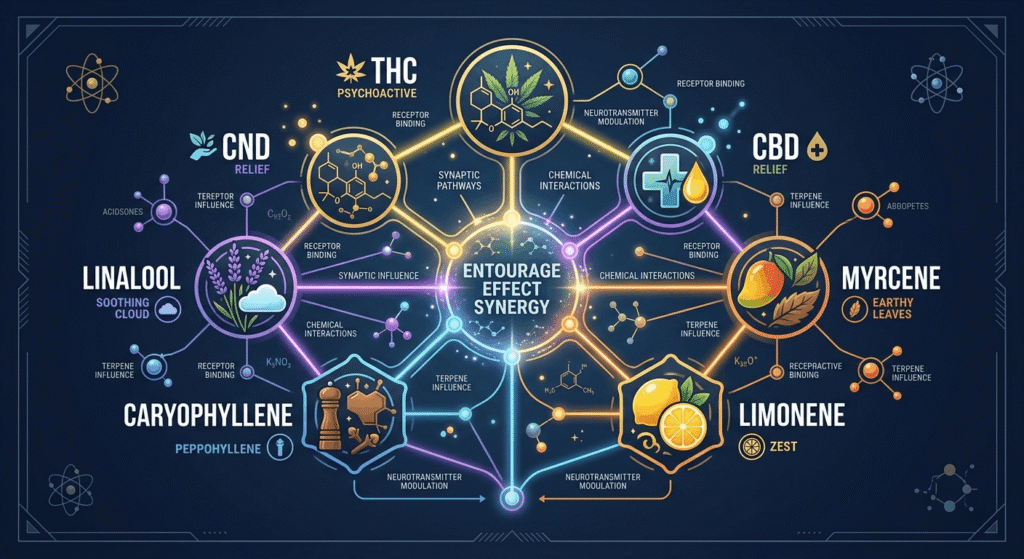
This interaction, often called synergy, can amplify, moderate, or even help balance the primary effects—commonly known as the entourage effect. For example, some terpenes induce relaxation or stress relief, while others foster alertness or creativity. The diverse terpene blends present in cannabis strains are primarily responsible for effects such as relaxation, mood enhancement, focus, pain relief, or energy.
Additionally, certain terpene benefits include anti-inflammatory, anti-anxiety, and pain-relieving actions. By focusing on terpene content rather than simply relying on THC or CBD percentages, you can make more informed decisions about which cannabis products best suit your needs and preferences.
Terpene Benefits and the Entourage Effect
The term “entourage effect” encapsulates how the synergy between different terpenes and cannabinoids can create enhanced or uniquely nuanced outcomes. This principle suggests that consuming full-spectrum products, which contain many cannabinoids and terpenes found naturally in the plant, often yields more robust effects than isolated compounds. Experts such as Dr. John Streicher from the University of Arizona note that emerging science continues to reveal more about these intricate interactions.
The Role of Trichomes in Terpene Production
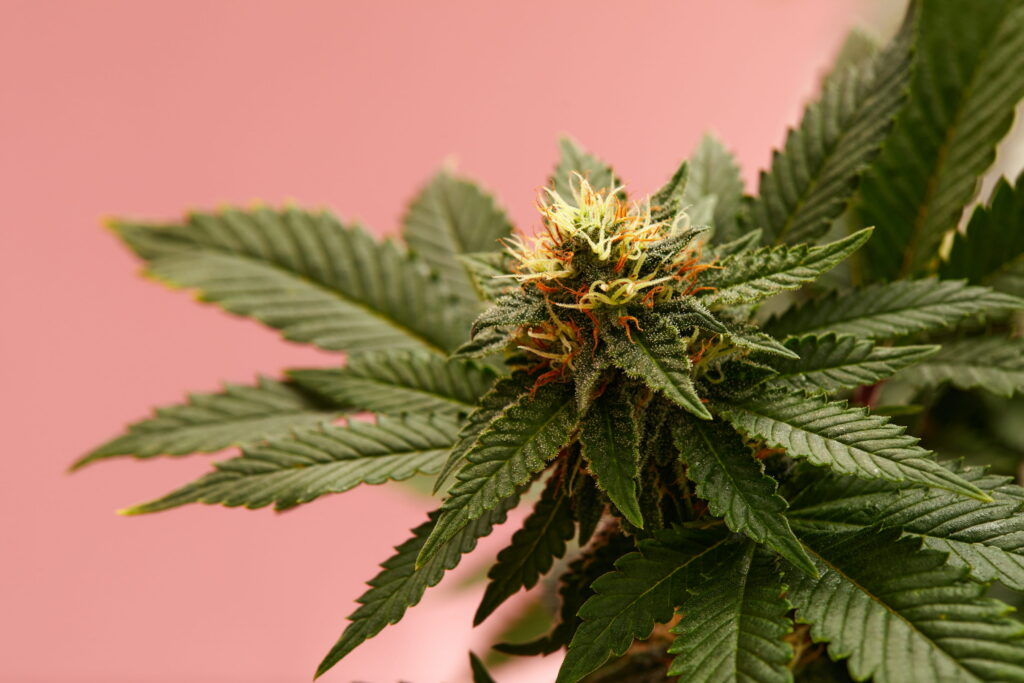
Trichomes are pivotal for both the potency and aroma of cannabis. These tiny, crystal-like glands cover the surface of flowers and contain the highest concentrations of terpenes, cannabinoids, and additional plant compounds. Trichomes resemble tiny, translucent mushrooms under magnification and they serve as protective structures for the plant.
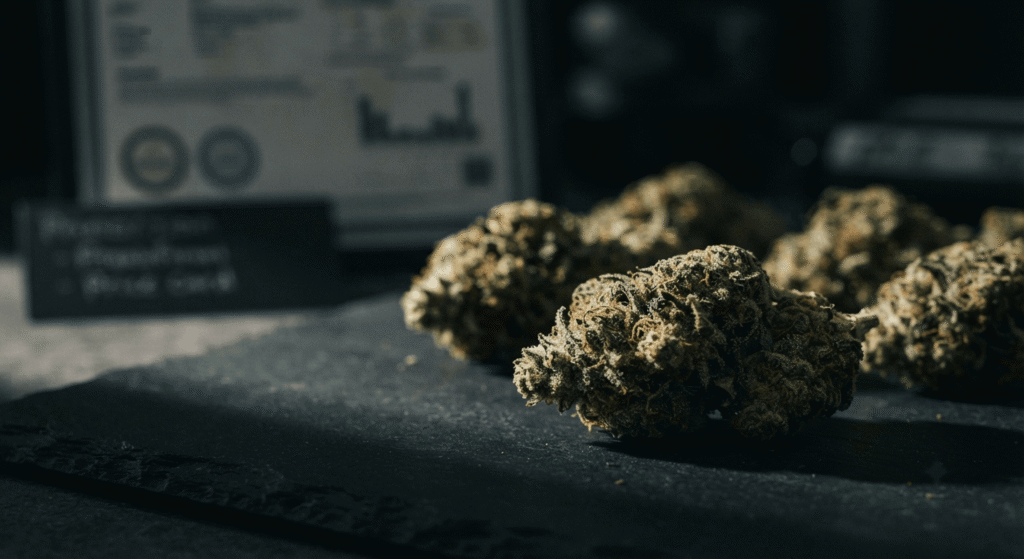
As the main manufacturing sites for both terpenes and active compounds, the density, size, and maturity of trichomes offer a good indicator of a flower’s quality. Trichome-rich cannabis has the capacity to provide more intense flavors, richer aromas, and stronger effects. It’s important for consumers to choose products that display abundant, well-preserved trichomes—especially in flowers and concentrates—to maximize terpene benefits.
Proper harvesting, gentle handling, and optimal storage (cool, dark, and airtight) help maintain the integrity of these delicate glands from cultivation to consumption. Focusing on trichome preservation not only improves potency, but also ensures a more enjoyable and effective cannabis experience.
Major Cannabis Terpenes and Their Effects
There are over 150 identified cannabis terpenes, but eight typically dominate terpene profiles. Understanding these major terpenes and their individual traits is invaluable when choosing between cannabis strains or products. Each terpene imparts not only aroma and taste, but also a set of potential effects. Recognizing the dominant terpenes in a product helps personalize sessions for relaxation, focus, creative inspiration, or wellness goals.
Myrcene
Myrcene stands as the most abundant terpene in many cannabis varieties. Characterized by a musky, earthy aroma with herbal undertones, it provides deeply relaxing, sedative effects. Myrcene is often associated with the “couch-lock” sensation, making it an ideal choice for those seeking rest or stress relief. Strains like Granddaddy Purple and Do-Si-Dos are rich in myrcene.
Limonene
Limonene offers a bright citrus aroma—reminiscent of lemon and orange peels. Known for mood elevation, energy, and possible anti-anxiety properties, it’s favored for productive or uplifting sessions. Limonene can also deliver anti-inflammatory and antioxidant benefits. Popular strains such as Super Lemon Haze and Jack Herer prominently feature limonene, making them excellent for daytime activities.
Caryophyllene
This terpene is distinguished by a sharp, spicy, and peppery scent. Caryophyllene is unique in its ability to directly bind to CB2 receptors, offering pain relief and anti-inflammatory benefits without significant psychoactive effects. Patients seeking relief from discomfort or anxiety often turn to caryophyllene-forward cannabis strains like GSC (Girl Scout Cookies) and OG Kush.
Linalool
Linalool introduces floral, lavender-like notes and is highly valued for its calming, anxiety-relieving, and mildly sedating effects. It also shows potential for pain and sleep support. Linalool is especially prevalent in strains suited for relaxation and tranquility, such as Lavender and Do-Si-Dos.
Ocimene
Known for its sweet, herbal fragrance with woody undertones, ocimene provides uplifting, energizing, and immune-boosting effects. While it’s less common than other leading terpenes, its presence is growing in both recreational and wellness products. Ocimene can be found in strains like Dutch Treat and Amnesia.
Farnesene
Farnesene gives off a green apple scent, sometimes accompanied by light fruity notes. While found in lower concentrations, farnesene may offer calming and anti-anxiety effects, though research remains preliminary. Strains like Green Crack can occasionally test high for farnesene, adding a unique dimension to their effect profile.
Nerolidol
With its woody, floral aroma, nerolidol brings sedative and soothing properties to cannabis. It is utilized in both aromatherapy and cannabis topicals, and is also being investigated for possible antifungal benefits. Strains like Skywalker OG and Sweet Skunk stand out for their nerolidol content.
Sabinene
Sabinene is marked by its spicy, peppery scent, accented by light citrus notes. While not usually the dominant terpene in most strains, sabinene may offer antioxidant effects and contributes a refreshing complexity to the terpene blend. It can sometimes be detected in minor quantities in cannabis.
Understanding Terpene Profiles in Cannabis Strains
Every cannabis strain possesses a distinct terpene and cannabinoid “fingerprint” that shapes how it smells, tastes, and feels. The classic categories of indica, sativa, or hybrid have become less reliable for predicting effects, as terpenes provide much more insight. For example, two sativa-labeled strains may have entirely different impacts if their dominant terpenes are not the same.
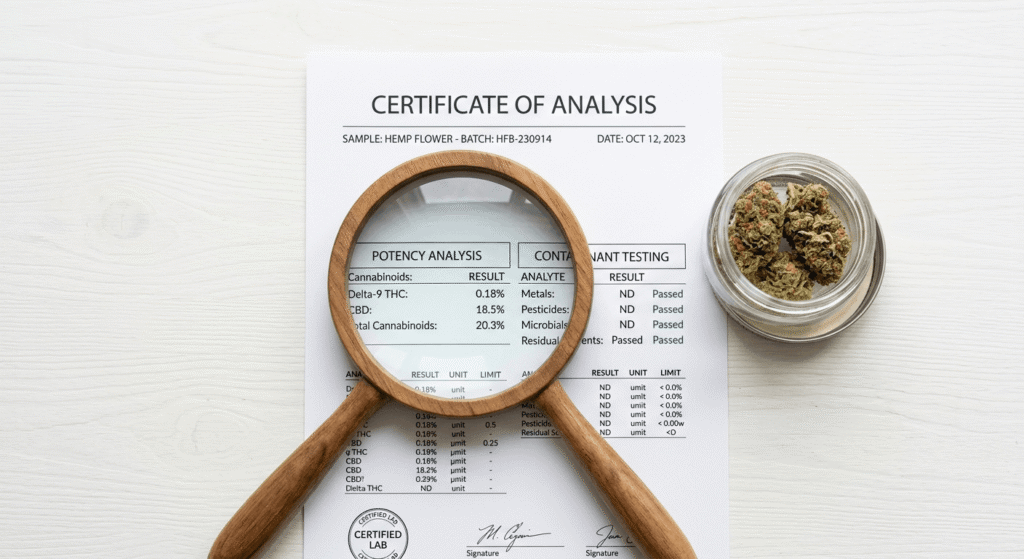
Modern product labels and lab results now highlight these terpene profiles, usually as part of a Certificate of Analysis (COA). This enables consumers to compare and select cannabis strains and products based on terpene-driven effects—whether seeking relaxation, creative focus, heightened mood, or relief from discomfort.
Using Terpene Profiles Chart for Cannabis Selection
Analyzing terpene profiles helps target effects more reliably than with THC content alone. By reviewing a terpene profiles chart or COA before buying, you can match the dominant compounds in any product to your intended use, improving satisfaction and personalizing your cannabis journey.
How to Use a Terpene Profiles Chart
Learning to navigate a terpene profiles chart enhances how you select cannabis products and tailor your effects.
- Identify Desired Effects
Start by clarifying your goal: Do you want relaxation, pain relief, sleep support, energy, creativity, or anxiety reduction? Knowing your target effect is essential. - Match Effects to Terpenes
Use a terpene profiles chart to align your goal with the right compounds. Myrcene and linalool are ideal for calming and sleep, limonene and ocimene elevate energy and mood, and caryophyllene aids in pain relief. - Find Compatible Cannabis Strains or Products
Research strain descriptions, shop menus, or lab results for dominant terpenes that align with your preferred effects. Many retailers offer search tools for flowers, badder, or live resin based on terpene content. - Check Lab Reports/COAs
Always confirm the actual terpene percentages using the COA or lab results. Trusted vendors provide detailed terpene info to verify what you’re buying and ensure consistent, safe effects.
Cannabis Terpenes and Effects: Comparison Chart
| Terpene | Aroma/Flavor | Key Effects | Example Strains |
|---|---|---|---|
| Myrcene | Earthy, Herbal | Sedative, Relaxing | Granddaddy Purple, Do-Si-Dos |
| Limonene | Citrus, Lemon | Energetic, Uplifting | Super Lemon Haze, Jack Herer |
| Caryophyllene | Spicy, Pepper | Anti-Inflammatory, Pain Relief | GSC, OG Kush |
| Linalool | Floral, Lavender | Calming, Sleep Aid | Lavender, Do-Si-Dos |
| Ocimene | Sweet, Herbal | Mood Boost, Energy, Immune Support | Dutch Treat, Amnesia |
| Farnesene | Green Apple, Fruity | Anti-Anxiety (prelim.), Calming | Green Crack |
| Nerolidol | Woody, Floral | Sedative, Topical Use | Skywalker OG, Sweet Skunk |
| Sabinene | Spicy, Citrus | Antioxidant (prelim.), Refreshing | Not commonly strain-dominant |
The Synergy of Cannabis Terpenes
The real magic of cannabis terpenes and effects stems from the phenomenon known as the entourage effect, where terpenes work in harmony with cannabinoids. Rather than acting on their own, terpenes enhance or moderate the impact of THC, CBD, and other cannabinoids. Myrcene, for example, is theorized to increase cell permeability, potentially intensifying THC’s impact, while caryophyllene’s interaction with CB2 receptors can specifically target pain or inflammation.
Research from experts such as Dr. John Streicher points out the growing evidence that full-spectrum products, rich in terpenes and a variety of cannabinoids, deliver a more complex and robust experience than isolated components. This is why many seasoned consumers prefer products with diverse, naturally occurring profiles.
The entourage effect is also behind the advice to consider full-spectrum or broad-spectrum extractions for the richest, most nuanced results, as these contain an intact blend of major and minor terpenes.
Cannabis-Derived Terpenes vs. Synthetic Terpenes
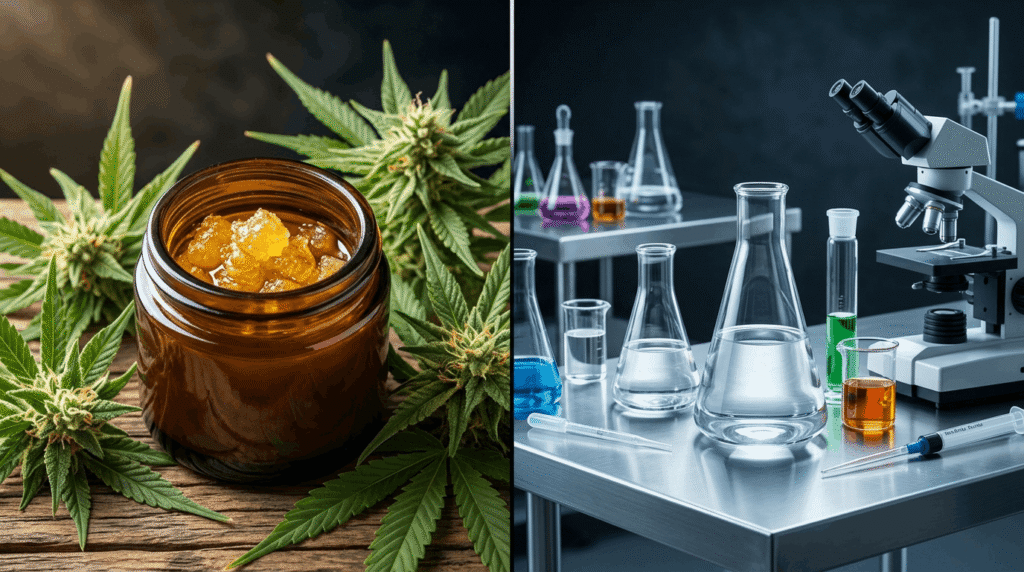
When you select cannabis products, you may encounter both cannabis-derived terpenes and synthetic terpenes. Cannabis-derived terpenes are directly extracted from the plant and best preserve the authenticity, complexity, and full synergy needed for maximal effects. Products such as live resin and rosin are known for featuring cannabis-derived terpene profiles for superior aroma and efficacy.
In contrast, synthetic terpenes are produced in a lab, often from botanical sources other than cannabis. While they can mimic the smell or taste of cannabis, they typically lack the subtle intricacies that make cannabis-derived blends special. Experts recommend seeking out verified cannabis derived terpenes, especially for those hoping to maximize synergy and experience more consistent, robust effects.
Factors Affecting Terpene Profiles
Multiple factors shape the terpene profile and potential effects of cannabis. Genetics are foundational, as each strain’s DNA determines which terpenes it can produce and in what ratios. Environmental influences—such as soil composition, temperature, light, and nutrients can further boost or suppress particular terpenes.
The timing of the harvest is critical since trichomes must reach peak maturity to preserve both cannabinoid and terpene content. After harvest, how the cannabis is processed and stored is equally important. Exposure to heat, air, and light can degrade or evaporate terpenes, making airtight, cool storage vital.
Products like concentrates—including badder, distillate, and crumble—can retain more terpenes if carefully made and sealed. High-quality or premium flower is distinguished not by THC percentage alone, but by a rich and well-preserved terpene spectrum.
Preserving Terpene Benefits in Cannabis Storage
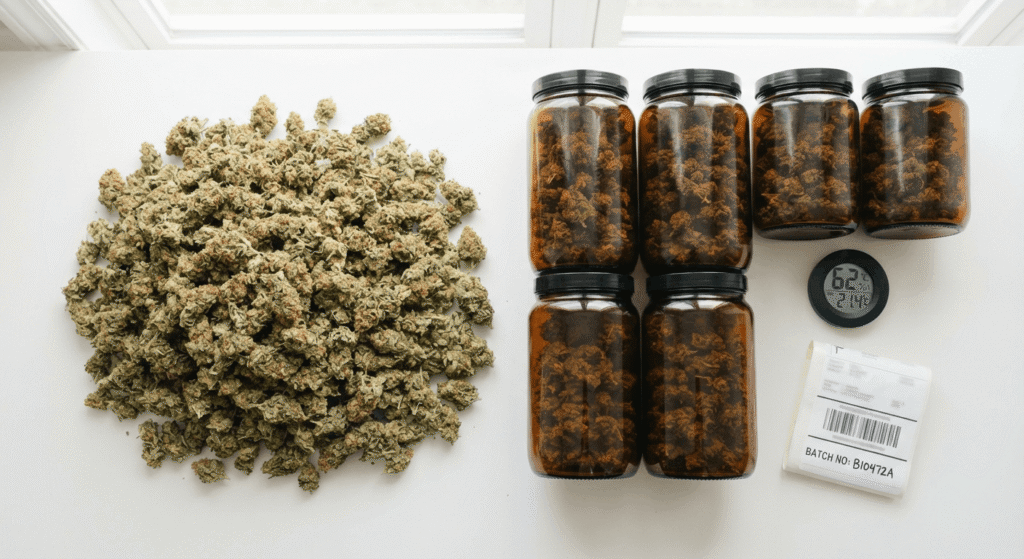
Proper storage is one of the most critical elements in maintaining terpene benefits. Always select lab-tested products from reputable sources, and store them in airtight, dark containers. This helps preserve both therapeutic effects and the distinctive flavors for which cannabis terpenes are prized.
Common Mistakes When Choosing Cannabis for Terpene Effects
Even informed shoppers can make missteps when selecting cannabis for specific terpene effects.
- One major error is focusing solely on THC content, neglecting the significant role played by terpene and cannabinoid interactions.
- Instead, reviewing terpene profiles on COAs is more predictive of the nuances you’ll experience.
- Indica or sativa labeling can be unreliable, so select based on chemical composition.
- Some users disregard the importance of lab results, purchasing from vendors who do not supply verified data, risking product inconsistency or inaccurate terpene claims.
- Improper storage—allowing flowers or concentrates to be exposed to air, light, or heat—quickly reduces terpene levels.
- Additionally, consumers may ignore minor or secondary terpenes, like sabinene or farnesene, despite their unique contribution to the overall effect.
- Remember, choosing trichome-rich, lab-certified cannabis stored under optimal conditions is the best approach.
Finding the Best Cannabis Strains for Your Terpene Goals
To select the right cannabis strains, first define what you want to achieve. Are you looking for deep relaxation and sleep support? Consider those dominant in myrcene or linalool. If your aim is to increase creativity or cognitive focus, prioritize limonene, pinene, or ocimene. For anti-inflammatory or pain relief benefits, seek strains with high caryophyllene content. Cross-reference likely strains with a terpene profiles chart and ask your dispensary about up-to-date lab results before committing.
Keep notes on which terpenes work best for you and look for consistent, high-quality, trichome-rich flower or concentrates. If possible, explore resources like CannaCon for terpene education, or consult expert guides and blogs for the latest research and comparisons. Personalization, supported by data and observation, is now the gold standard for selecting cannabis.
Frequently Asked Questions
1. What are the most important terpenes in cannabis strains?
The most influential cannabis terpenes found in cannabis strains include myrcene, limonene, caryophyllene, linalool, pinene, humulene, ocimene, and terpinolene. Other terpenes such as farnesene, nerolidol, and sabinene are present in smaller quantities, but they contribute unique effects, aromas, or flavors. Prioritizing your terpene choice can help you reach your desired effect.
2. How do I find the terpene profile of a cannabis product?
Most reputable brands, including those found on Lab Results, publish detailed terpene profiles either on the product label or as part of a Certificate of Analysis (COA). If a terpene breakdown isn’t listed, ask the vendor to provide lab reports or visit their website before purchasing.
3. Are cannabis-derived terpenes better than synthetic ones?
Cannabis derived terpenes are generally considered superior for their authenticity and their synergy, as they most closely replicate the plant’s natural composition. Synthetic terpenes can mimic aromas but lack the complexity and full spectrum of effects found in natural blends. For optimal synergy, choose products that list cannabis-derived terpenes on their COA.
4. Can terpenes change the high or medical benefit I experience?
Yes, terpenes significantly shape both the psychoactive and therapeutic effects you experience, even among products with the same THC level. For example, myrcene can make a product more sedative, limonene can boost energy and mood, while caryophyllene may enhance pain relief. The interplay of multiple terpenes tailors each strain’s full impact.
5. Is it safe to consume isolated terpenes?
When used properly and in low concentrations, isolated terpenes are generally safe in finished cannabis products such as vape pens or edibles. They should never be consumed directly or undiluted, as they are extremely potent. Only buy terpene-infused products from reputable, regulated producers and always follow usage guidelines on the label.
Conclusion
Understanding cannabis terpenes and effects empowers you to make smarter choices for mood, focus, relaxation, or wellness goals. By learning about terpene profiles, reading lab reports, and using a terpene profiles chart, you can harness the synergy of cannabinoids and terpenes to personalize your cannabis experience for optimal results every time.