Quick Answer Box: THCA flower offers a unique blend of wellness and recreational benefits without psychoactive effects in its raw form. The powerful benefits of THCA flower include potential anti-inflammatory, pain relief, and neuroprotective properties, as well as widespread availability and legal access in many regions.
What is THCA Flower?
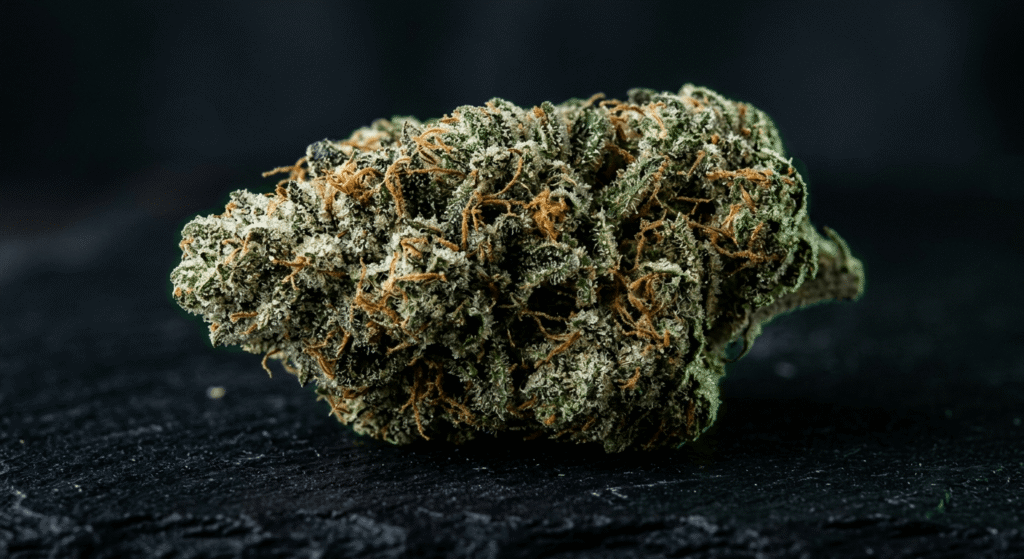
THCA flower is a specially cultivated hemp flower that is rich in tetrahydrocannabinolic acid (THCA), the non-intoxicating precursor to THC. It is harvested and cured specifically to preserve high levels of THCA, offering consumers a non-psychoactive product if consumed raw. When heated, THCA converts to THC, resulting in psychoactive effects. The unique versatility of thca flower allows it to be enjoyed both raw and heated, making it a standout among hemp and cannabis products.
Definition: THCA Flower Explained
THCA flower refers to hemp plant buds that are cultivated for maximum tetrahydrocannabinolic acid content. In its natural state, it is non-psychoactive and remains federally legal if Delta-9 THC levels stay below 0.3%. This flower provides wellness benefits when consumed raw and psychoactive effects when decarboxylated.
THCA Flower vs THC Flower vs Hemp Flower
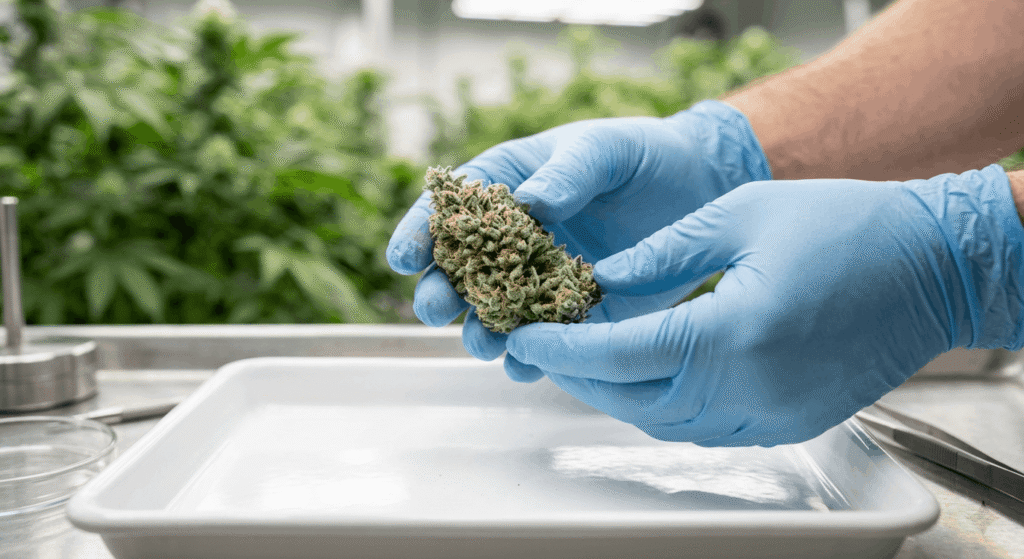
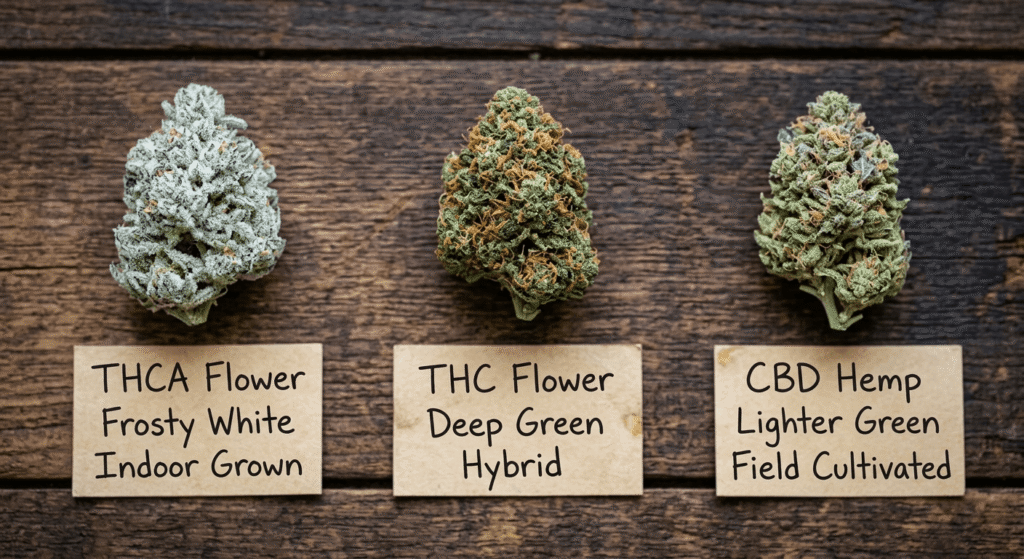
Understanding the key differences between thca flower, thc flower, and hemp flower is essential for making informed choices and optimizing usage.
Chemistry and Effects
THCA flower contains high THCA levels, which remain non-psychoactive until heated. Consuming thca flower raw provides wellness effects such as reduced inflammation without any high. THC flower, on the other hand, is harvested from cannabis plants bred to contain high concentrations of psychoactive Delta-9 THC, resulting in immediate intoxicating effects. Hemp flower typically boasts high CBD content with minimal THC, offering calming properties with no psychoactivity.
Legal Status and Use
Legal status is a critical distinction. THCA flower is generally federally legal as hemp if the Delta-9 THC content is below 0.3%, though some states now count THCA in “total THC” calculations and ban it accordingly. THC flower is legal only in states with medical or recreational marijuana laws. Hemp flower enjoys broader federal and state legality due to its low THC content, but its wellness effects are milder compared to thca flower.
Typical Use Cases
- THCA flower: Used for anti-inflammatory and neuroprotective benefits, as a legal alternative to marijuana, and for those seeking wellness without impairment.
- THC flower: Popular for recreational purposes, intense euphoria, and use within state-regulated medical or adult-use programs.
- Hemp flower: Common for routine wellness, calming, anti-anxiety applications, and for users who cannot risk psychoactive effects.
Hemp Flower Potency and Market Context
Hemp flower’s popularity has led to frequent confusion between it and thca flower. Authentic hemp flower will always contain less than 0.3% Delta-9 THC. In contrast, thca flower may deliver stronger effects if heated, often leading users seeking powerful benefits to favor thca over traditional hemp flower.
THCA vs Delta 8: How Do They Compare?
Delta 8 and thca are both popular hemp-derived cannabinoids, but their effects and legal standing differ in important ways.
Effects and Pharmacology
THCA itself does not produce psychoactive effects unless decarboxylated. It primarily interacts with CB2 and serotonin receptors, delivering reported anti-inflammatory and potential neuroprotective benefits. When exposed to heat, THCA converts to Delta-9 THC, resulting in full intoxicating effects associated with classic cannabis.
Delta 8 THC is a different cannabinoid that produces mild psychoactive effects, offering a gentler euphoria than Delta-9 THC. Delta 8 is psychotropic in all forms, regardless of preparation. People seeking lighter recreational experiences often choose Delta 8, while those wanting raw cannabis benefits turn to thca flower.
Legality
THCA legality depends largely on the Delta-9 THC level after decarboxylation and the way state laws define “total THC.” Many states now regulate or ban thca flower for this reason. Delta 8 faces patchwork legality across the US, with several states banning or restricting it. Always check the latest Terms & Conditions and current state laws before purchase.
Use and Experience
Users seeking therapeutic and non-intoxicating effects use raw thca flower, while those preferring controlled psychoactive effects may opt for Delta 8 products. Both offer wellness potential, but differ fundamentally in strength, legality, and user experience.
THCA Effects on Wellness and Everyday Use
The thca effects in raw flower are distinct, with many users noting improved mood, reduced inflammation, and neuroprotection. By comparison, Delta 8’s primary draw is its lighter euphoric effect for those who wish to avoid standard marijuana.
How Does THCA Flower Work? (Scientific & Chemical Background)
THCA flower is notable for its abundance of tetrahydrocannabinolic acid, which is the precursor chemical found in unheated cannabis plants. Unlike THC, THCA’s extra carboxyl group prevents easy connection to CB1 receptors in the brain. Instead, THCA primarily interacts with CB2 receptors and serotonin pathways, which may underlie its anti-inflammatory and neuroprotective qualities.
Decarboxylation
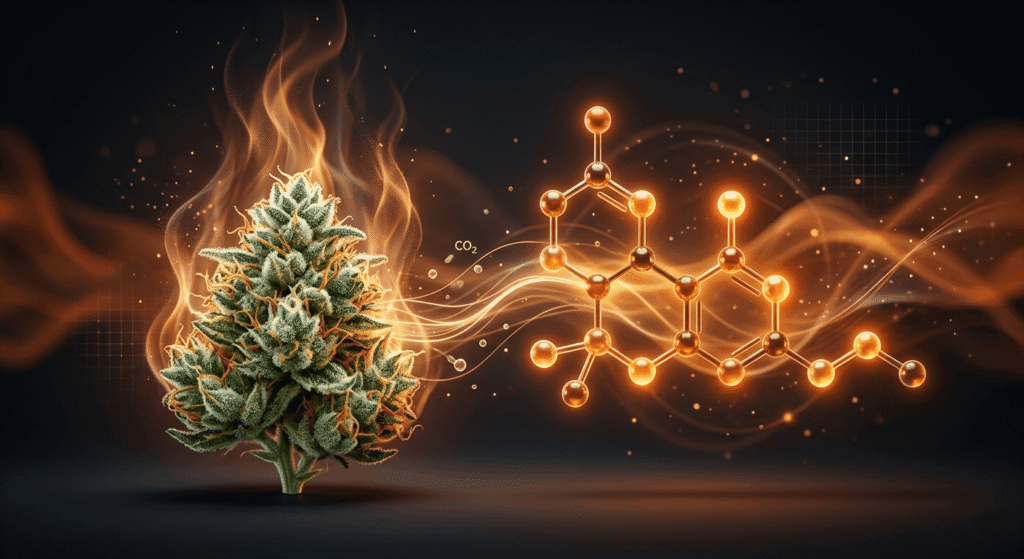
Heating thca flower—through smoking, vaping, or baking—removes its carboxyl group in a process called decarboxylation. This reaction transforms THCA into Delta-9 THC, producing the characteristic high. The speed, strength, and nature of these effects depend on preparation method, temperature, and dose.
Raw Cannabis Uses
Consuming raw cannabis, particularly in the form of thca flower, preserves the non-psychoactive effects. This is an important option for users wanting therapeutic benefits like anti-inflammatory, antioxidant, and anti-anxiety effects, while avoiding intoxication. Many patients seeking symptom relief turn to raw cannabis for this precise reason.
THCA Flower and the Endocannabinoid System
Early studies reveal that THCA may have unique interactions with the body’s endocannabinoid system, affecting inflammation and neural health. This highlights why people consider thca flower benefits distinct from either CBD or conventional THC cannabis flower.
THCA Flower Benefits: Health and Wellness Effects
Mounting evidence supports a growing list of thca flower benefits across multiple wellness categories. Both published research and consumer testimonials reveal its promise in supporting health beyond what traditional hemp flower offers.
Anti-Inflammatory and Pain Relief
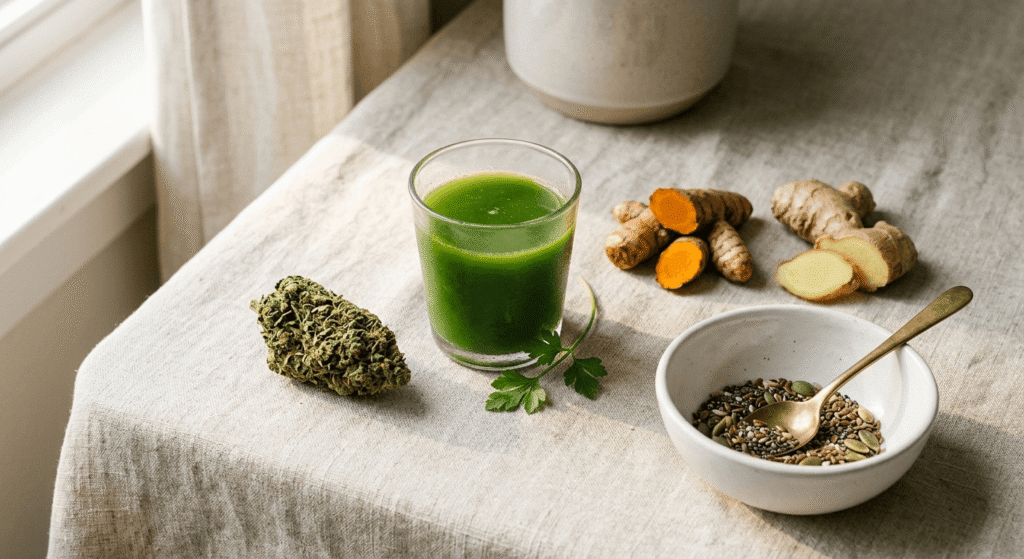
THCA flower is gaining attention for its anti-inflammatory properties. People with autoimmune disorders, arthritis, and inflammatory bowel conditions frequently report symptom relief from using thca flower, especially in raw form. Chronic pain management is another area where users see positive changes, positioning thca flower as an alternative to both CBD and traditional pain medications.
Expanded Research on Pain and Inflammation
Animal studies, such as those cited by Project CBD, indicate that THCA may modulate pain signals and reduce inflammation markers, though large-scale human trials are still needed.
Neuroprotection
Experimental research suggests thca flower may help protect neurons, making it of interest to individuals concerned about neurodegenerative disorders like Parkinson’s or Alzheimer’s. This neuroprotective effect is thought to be linked to thca’s impact on serotonin pathways and anti-inflammatory activity.
Nausea Relief and Appetite Stimulation
This benefit is particularly important for cancer patients, people undergoing chemotherapy, and those with severe digestive disorders. The antiemetic and appetite-boosting potential of thca flower offers another wellness application.
Antioxidant and Anxiolytic Effects
THCA’s antioxidant characteristics help combat damage from oxidative stress. Additionally, people report reduced anxiety and greater daily calm from using thca flower without cognitive impairment.
Potential Anticonvulsant Properties
Though still in the early stages of study, some research shows that thca flower may possess anticonvulsant qualities, sparking interest among those exploring alternative seizure management options.
Consulting Healthcare Professionals
Despite promising findings, thca flower benefits have not been evaluated by the FDA. All reputable brands, such as those featured on the About and Shop pages, recommend consulting a medical professional before use.
Recreational and Lifestyle Benefits of THCA Flower
THCA flower offers more than just wellness support—it aligns with evolving lifestyle preferences for both legality and experience.
Legal Access and Unique Experiences
In states permitting its sale, thca flower gives access to potent, marijuana-like effects without the legal hassle of buying marijuana itself. The result has been rapid growth in the thca segment, with products often outselling standard hemp flower and CBD options in certain regions. Consumers across the US can shop for THCA flower and related products via trusted sources like the Flowers and Shop pages.
Legal Nuances and Market Trends
As state and federal policies shift, users are urged to stay current on the thca legal status in their location. Reliable brands update compliance details to ensure products can be purchased and shipped with minimal legal risk.
Non-Intoxicating Wellness
People seeking noticeable wellness effects but needing to maintain cognitive clarity often choose raw thca flower. Whether for daytime stress management or maintaining productivity, it provides the advantages of cannabis without the “high.”
Personalized Experience and Product Choice
A broad range of strains, terpene profiles, and forms gives consumers the ability to customize their experience. Leading THCA flower cultivars replicate the look, smell, and taste of popular THC-rich cannabis, offering both medical and recreational options.
Convenient Product Forms and Discretion
THCA flower is available as pre-rolls, loose buds, and even in raw product for cold preparations like smoothies and teas. Its versatility, rapid delivery, and broad selection have made it one of the fastest-growing categories in the hemp sector. Consumers with sustainability or organic priorities can find evolving options on the Shop and Flowers pages.
How to Use THCA Flower
Maximizing thca flower benefits and minimizing side effects require an informed, stepwise approach to use.
- Choose Your Product
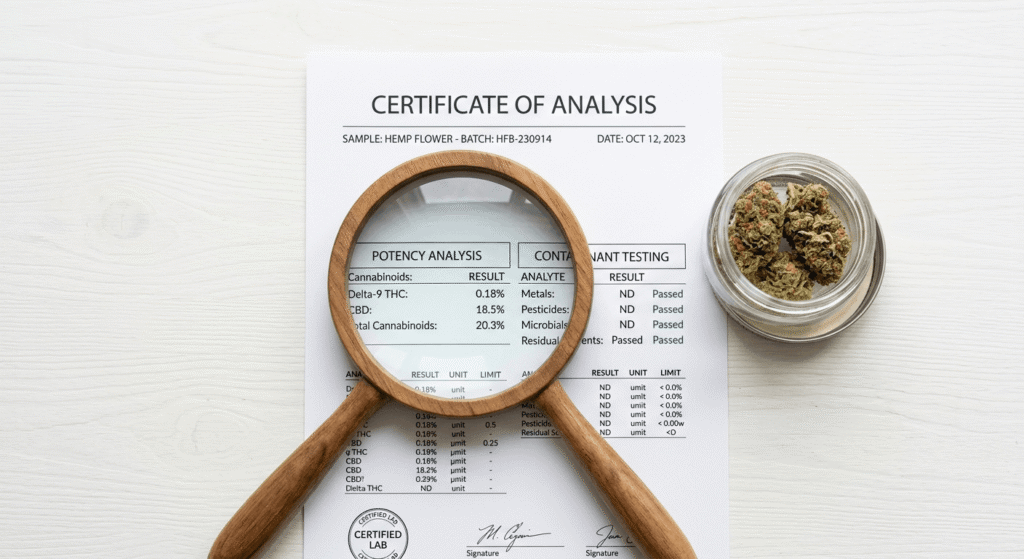
Find a reputable supplier with full Certificates of Analysis (COAs) and transparent lab results. Match strain, potency, and terpenes to your needs.
2. Select a Consumption Method
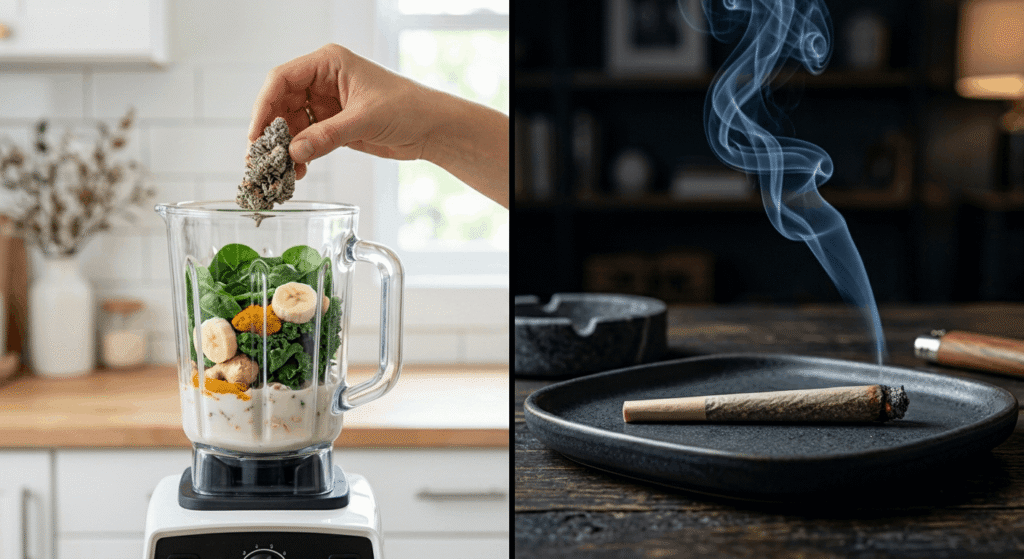
- Raw use: Add to juices, smoothies, salads, or cold recipes to access non-psychoactive wellness benefits.
- Heated use: Expect psychoactive effects via smoking, vaping, or decarboxylating the flower for edibles or oils.
3. Prepare a Practical Dosage
- Beginners should start with a low dose and titrate up.
- Raw consumption: 0.25–1 gram is typical per serving.
- Smoking/vaping: 0.1–0.3 grams provides moderate intensity. Edibles require decarboxylation at 220–240°F for at least 30–45 minutes.
4. Consume Mindfully and Observe Results
- Raw use: Anticipate gentle, cumulative wellness effects.
- Smoking/vaping: Effects start in 1–5 minutes, lasting 2–4 hours.
- Edibles: Slower onset (30–90 minutes), longer effects (4–8 hours).
5. Track and Adjust as Needed
Document strains, doses, and effects in a journal. Consult lab results for chemical composition to optimize future experiences.
THCA Flower Product Varieties and User Experience
The thca flower landscape continues to expand, with new cultivars and product forms released constantly.
Diverse Strains and Their Effects
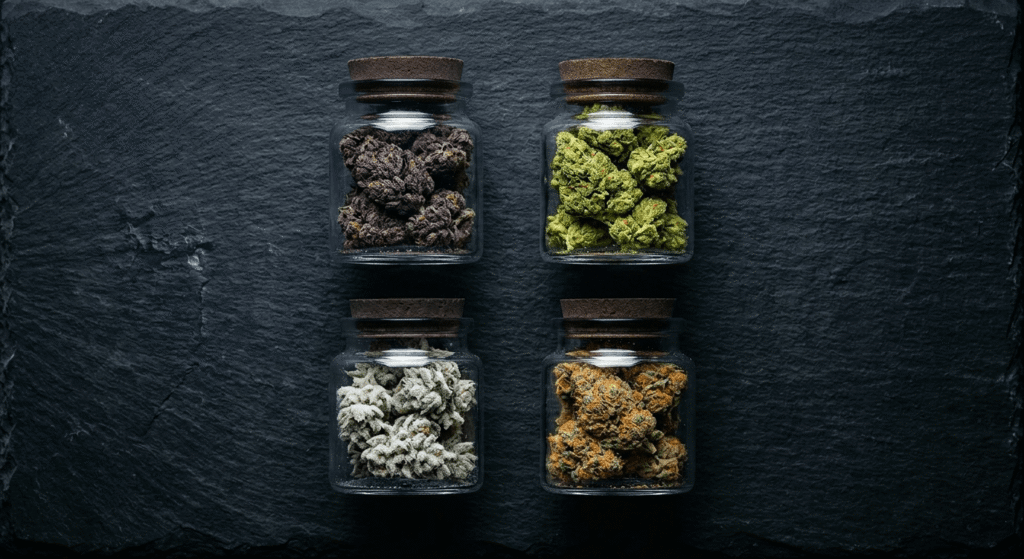
Dozens of recognized THCA-rich strains exist, ranging from calming indicas like Nightfire and Chemdawg to energizing sativas such as Jack Herer and Strawberry Cough. Hybrids offer a balance, combining traits for customized effects and flavors.
Terpene and Flavor Diversity
Top-quality thca flower boasts high terpene content, often above 2%, resulting in a wide variety of flavor profiles—fruity, earthy, piney, or spicy. These terpenes not only enhance the sensory experience but also contribute to wellness effects.
Bulk Options, Price Points, and Access
The market provides options for every budget and need.
- Indoor premium: $25–$40 per eighth (up to $50+ for boutique strains)
- Pre-rolls: As low as $6.50
- Bulk/wholesale: Wholesale pricing available for larger orders
Consumers can explore these selections on the Shop and Flowers pages.
User Reviews and Experience
Customers praise thca flower for its efficacy in relaxation, anxiety relief, and as a legal alternative to traditional cannabis in restrictive states. Fast shipping, product quality, and transparent sourcing are common highlights in reviews. There’s growing demand for organic and eco-conscious cultivation, with more brands featuring these practices on product listings.
THCA Flower Legal Status and Safety Considerations
Legal Overview and Compliance
The 2018 US Farm Bill legalized thca flower nationwide so long as its Delta-9 THC content remains below 0.3% by dry weight. Importantly, some states now regulate total THC (including THCA), either restricting or banning high-THCA hemp flower entirely. For example, Arkansas explicitly bans the sale of high-THCA flower, while others require additional certifications. Always review local laws and confirm legality before buying.
Safety Factors and Responsible Use
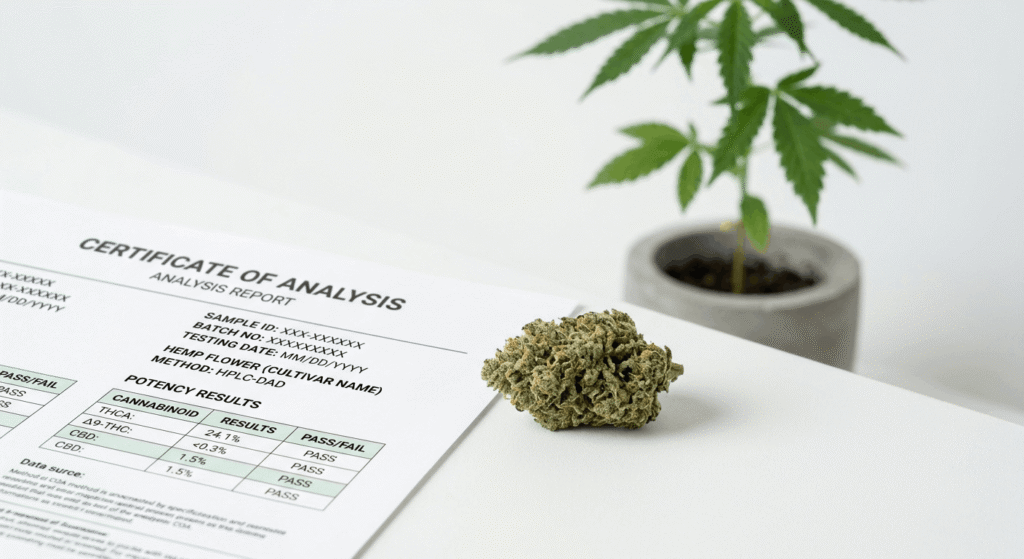
Proper lab testing is essential. Purchase only from brands that provide third-party COAs issued by ISO/IEC 17025-accredited labs. Consuming thca flower raw is generally safe; side effects are extremely rare in this form. Heating the product introduces standard THC risks such as intoxication, dry mouth, and anxiety for sensitive users. Inhaling smoke or vapor also carries respiratory risks inherent to any material, including cannabis or tobacco.
Drug Testing and Workplace Issues
Both THCA and THC will generally result in a positive drug test after use, especially if the flower is heated. Individual risk varies depending on test sensitivity and usage habits. If you undergo regular drug screening, consider discussing your options with an employer or physician before use.
Additional Guidance and Medical Disclaimer
All potential thca flower benefits and health risks have not yet been evaluated by the FDA. People who are pregnant, breastfeeding, or managing significant medical conditions should always consult their physician before using these products. Further reading and company policies are available on our About page.
THCA Flower vs THC Flower vs Hemp Flower vs Delta 8
| Attribute | THCA Flower | THC Flower | Hemp Flower | Delta 8 Flower |
|---|---|---|---|---|
| Main Compound | THCA (non-psychoactive, turns to THC if heated) | Delta-9 THC (psychoactive) | CBD (non-psychoactive) | Delta 8 THC (mildly psychoactive) |
| Effects (Raw) | Wellness, non-intoxicating | Not applicable | Calming, no high | Mild effect, seldom used raw |
| Effects (Heated) | Psychoactive (like cannabis) | Psychoactive | Minimal to none | Mild euphoria, gentler than THC |
| Legal Status (US) | Federal: Legal (<0.3% Delta-9 THC), varies by state | Legal only in select states | Legal federally/all states | Federal grey area, many states ban |
| Wellness Benefits | Anti-inflammatory, neuroprotective | Pain, nausea, mood, appetite | Anxiety, pain, sleep | Mood, mild anxiety relief |
| Drug Test Outcome | Likely positive if heated | Positive | Usually negative | Likely positive |
| Product Forms | Flower, pre-rolls, edibles | Flower, extracts | Flower, oils, extracts | Flower, extracts |
Common Mistakes When Using THCA Flower
Even experienced users sometimes make mistakes when integrating thca flower into their routines.
- The most frequent pitfalls include failing to start with a low dose and underestimating potency, leading to undesirable psychoactive effects.
- Poor preparation, such as skipping decarboxylation when making edibles, results in ineffective products.
- Many users also confuse raw thca flower’s effects with those of regular THC cannabis or Delta 8, expecting a high that only comes after heating.
- Failing to review lab results can risk contaminant exposure and legal issues.
- Finally, ignoring local laws can lead to shipment seizures or legal action.
Misinformation About THCA Legal Status
Confusion around thca legal status is common. Always confirm up-to-date state and local rules before making a purchase, as laws can change quickly.
Frequently Asked Questions
1. Is THCA flower safe?
When sourced from reliable, lab-tested vendors, thca flower is considered safe for adult use. Raw consumption doesn’t cause psychoactive effects or intoxication, minimizing side effects. Heating the product converts it to THC and can cause standard cannabis effects such as anxiety or dry mouth. As always, check with your doctor before starting any cannabinoid supplementation.
2. Does THCA flower get you high?
THCA flower in its raw form will not get you high. Only once heated—by smoking, vaping, or baking—does THCA become psychoactive, producing effects like those of standard cannabis. If you’re seeking the wellness benefits without euphoria, raw thca flower is ideal.
3. Is THCA legal in my state?
While thca flower is federally legal if containing less than 0.3% Delta-9 THC, many states now regulate or ban it by including THCA in “total THC” calculations. Regulations change frequently. Always check your state’s laws and consult resources like Terms & Conditions before purchase.
4. Can THCA flower cause positive drug test results?
Yes, consumption of thca flower—especially if heated and converted to THC—can yield a positive result on most standard drug tests. Even raw use may occasionally result in detectable metabolites. Those subject to screenings should proceed with caution and review their options with healthcare professionals.
5. What is the best way to consume THCA flower?
The best consumption method depends on your goals. For wellness without intoxication, use thca flower raw in snacks, smoothies, or salads. For psychoactive effects, smoke, vape, or bake the flower after decarboxylation. Always begin with a modest dose, factor in potency, and ensure third-party tested products for safety.
Conclusion
THCA flower stands out for its powerful wellness potential, legal flexibility, and capacity to deliver both non-intoxicating and psychoactive effects depending on preparation. The unique structure and uses of thca flower offer anti-inflammatory and neuroprotective benefits—backed by mounting research and user testimonies—and access to a wide selection of strains and product forms. For maximum benefit and safety, confirm your local thca flower legal status, review lab results, and source your products from trusted vendors.