Quick Answer Box: THCA meaning refers to tetrahydrocannabinolic acid, a non-psychoactive cannabinoid found in raw cannabis plants. Unlike THC, THCA does not get you high unless heated through decarboxylation, which activates its psychoactive effects. Understanding THCA meaning is key to making informed cannabis decisions.
What is THCA?
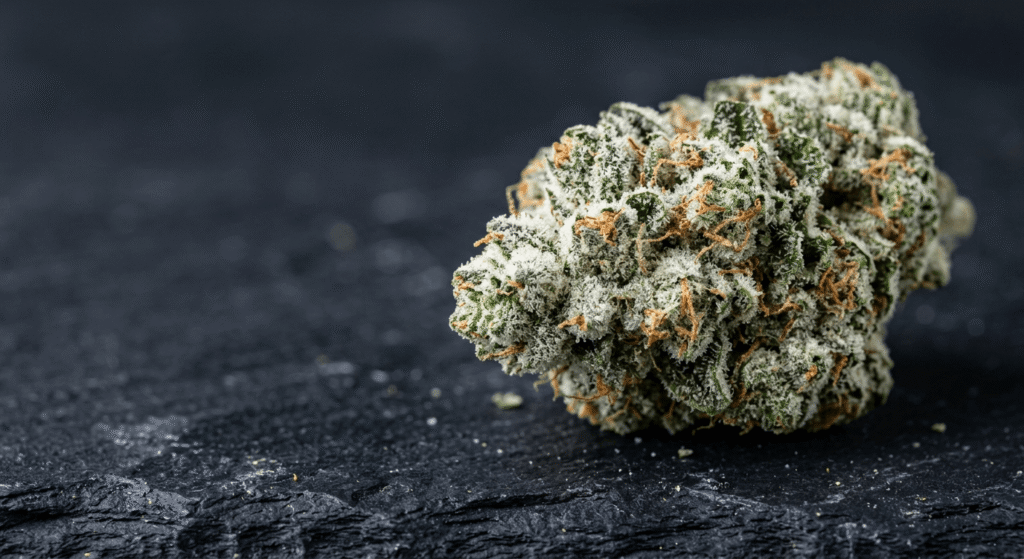
THCA stands for tetrahydrocannabinolic acid, a major non-psychoactive cannabinoid present in raw cannabis plants. THCA functions as the acidic precursor to THC, which is responsible for cannabis’s psychoactive effects. While integral to the plant’s defense system, THCA remains non-intoxicating until it is exposed to heat or prolonged aging, which then converts it into THC.
THCA Meaning and Chemical Structure
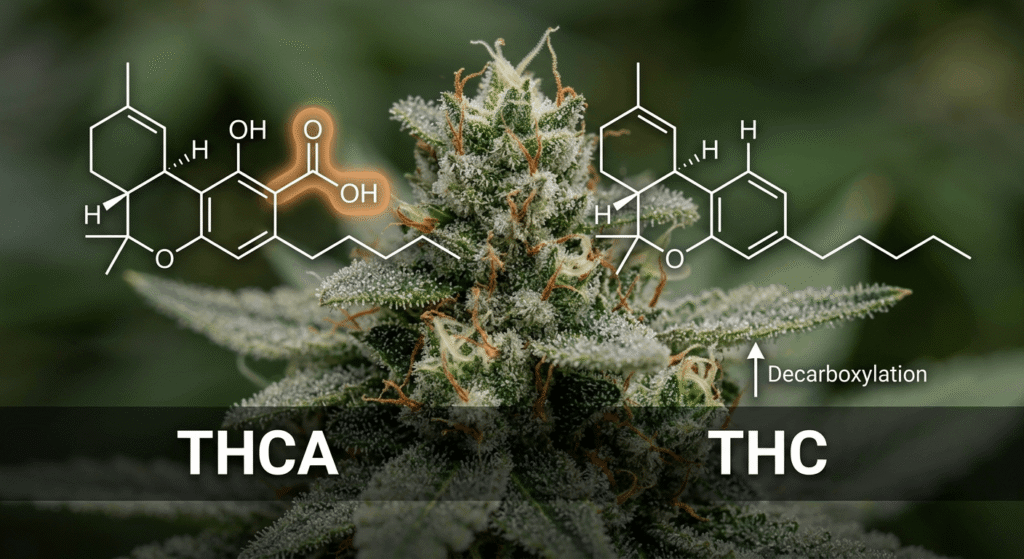
When exploring THCA meaning, it’s essential to know that “tetrahydrocannabinolic acid” is the full name for this natural compound. THCA is chemically very similar to delta-9 THC, but with a single molecular distinction: an extra carboxylic acid group. This extra group makes THCA non-psychoactive. It prevents the compound from binding efficiently to the brain’s CB1 receptors, meaning you won’t experience a high unless THCA is heated—a process called decarboxylation.
THCA can make up the majority of cannabinoids in raw flower—up to 90%—before any heat is added. Through drying, curing, or direct heating, THCA’s acid group is removed, transforming it into THC and unlocking intoxicating properties. This crucial difference is why many distinguish carefully between thca vs thc in both medical and recreational contexts.
Decarboxylation: From THCA to THC
Decarboxylation is the key process that activates THCA. Heat, sunlight, or time breaks off the acidic group from THCA, converting it into THC. Whether you smoke, vape, or bake cannabis, this chemical change is what allows cannabinoids to interact with your body’s endocannabinoid system and cause psychoactive effects. Understanding decarboxylation is essential for anyone seeking to control the potency and effects of their THCA products.
How Does THCA Work?
Although THCA is non-intoxicating, it’s far from inert. Instead of binding directly to CB1 receptors in the brain, THCA interacts with the body through other mechanisms, explaining its growing appeal for wellness purposes.
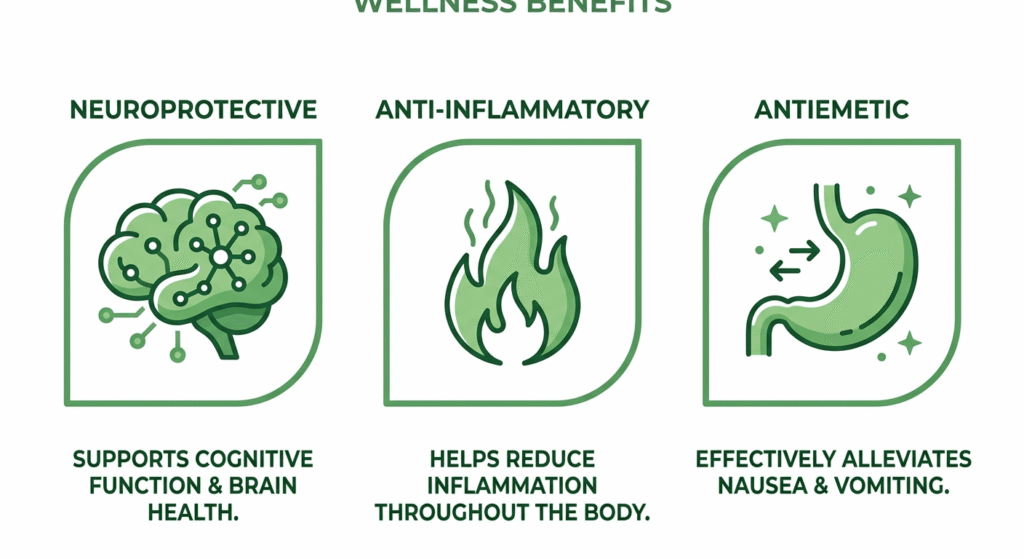
One notable finding is that THCA acts as a PPARγ agonist and may have applications in regulating metabolism or decreasing inflammation, as described by ScienceDirect. Studies also show a link between THCA and neuroprotective effects in preclinical settings, particularly models of Alzheimer’s disease. For example, certain research revealed that THCA could decrease amyloid-beta buildup in the brain. In addition, THCA has demonstrated antiemetic (anti-nausea) properties and reduced inflammation at specific doses, according to evidence from the National Library of Medicine.
Because THCA remains non-psychoactive and does not easily pass the blood-brain barrier, it provides a promising foundation for medical cannabis products for those seeking relief without the high of THC. This attribute explains why THCA flower and extracts are increasingly popular with people focused on wellness rather than recreation.
THCA vs. THC: Key Differences
A close comparison of thca vs thc brings several important differences to light for both consumers and medical patients.
First, thca meaning centers on non-psychoactivity. Consumed raw, THCA will not make you feel “high.” THC, in contrast, is the primary psychoactive cannabinoid in cannabis and responsible for its intoxicating effects.
Second, THCA must undergo decarboxylation—typically via smoking, vaping, or cooking—to become psychoactive. If you eat raw cannabis or ingest it in smoothies, the unconverted THCA will not trigger a high. Expose THCA to heat above about 220°F (104°C), and you’ll see rapid conversion to THC.
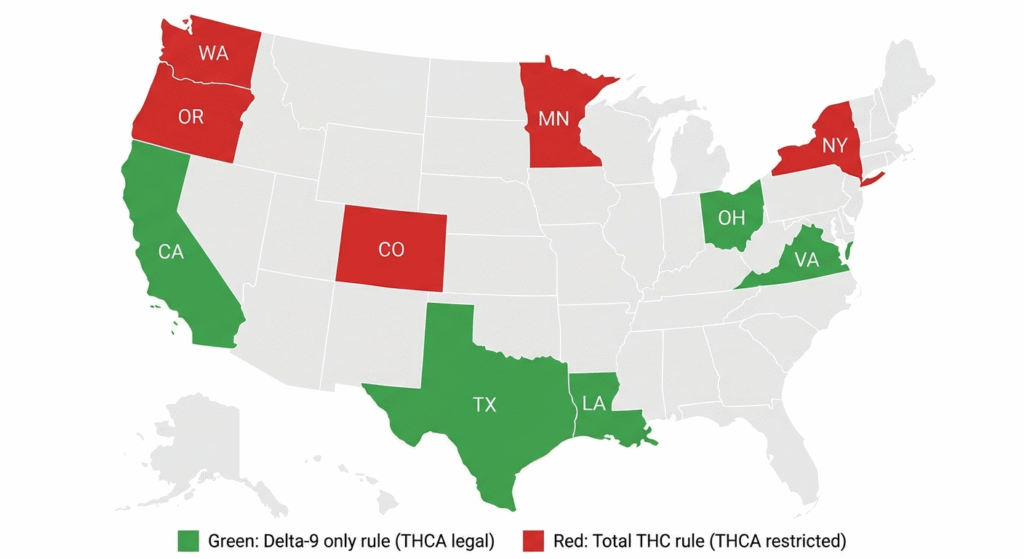
Third, the legal landscape differs between the two. As of mid-2025, federal law permits THCA in hemp—so long as delta-9 THC levels remain below 0.3% by dry weight. But some states have adopted “total THC” calculations, which include both delta-9 THC and the amount of THCA that could convert during consumption. This nuance is critical when buying or selling thca flower or other THCA-rich products.
Finally, their structural differences drive their effects. THCA’s acid group blocks interaction with brain receptors, while removal of this group (via heat) transforms it into THC—unlocking psychoactivity and strong interaction with the endocannabinoid system.
THCA vs. THC
| Feature | THCA | THC |
|---|---|---|
| Full Name | Tetrahydrocannabinolic Acid | Delta-9 Tetrahydrocannabinol |
| Chemical Formula | C22H30O4 (with extra carboxyl group) | C21H30O2 |
| Psychoactivity | Non-psychoactive | Psychoactive (“high”-inducing) |
| Where Found | Raw/fresh cannabis plants | Heated, cured, or decarboxylated cannabis |
| How Formed | Produced naturally in cannabis | Created by decarboxylation from THCA |
| Legality (2025) | Farm Bill-legal in hemp if <0.3% d9-THC | Controlled substance if >0.3% d9-THC |
| Medical Research | Early evidence for anti-inflammatory, antiemetic, neuroprotective | Well-studied for pain, appetite, and mood |
| Will It Trigger a Drug Test? | Only after conversion to THC | Yes |
THCA Benefits and Medical Research
Interest in thca benefits has increased as researchers and consumers seek cannabinoids that offer support without the psychoactivity of THC. Early evidence suggests several possible thca medical benefits, but most studies remain preclinical.
Neuroprotective Potential:
Research in animal models indicates THCA may reduce amyloid-beta plaques—an early marker of Alzheimer’s disease. These preliminary findings, highlighted in PMC publications, have generated optimism about THCA’s neuroprotective role and its potential for protecting brain health as part of a wellness regimen.
Anti-Inflammatory Action:
Cell and animal studies show that THCA could suppress inflammation, potentially by activating PPARγ receptors. This suggests a therapeutic potential in managing metabolic disorders and chronic inflammatory conditions. Clinical trials in humans are much needed, but the results so far are promising.
Antiemetic Effects:
Animal research reports THCA may possess even stronger anti-nausea properties than THC itself. Doses in the range of 0.05–0.5 mg/kg have demonstrated relief in preclinical nausea models, positioning THCA as a candidate for antiemetic therapies without psychoactive side effects.
User Reports and Emerging Evidence
Patients and consumers who prioritize non-intoxicating products consistently report benefits such as less joint pain, improved mood regulation, and reduced nausea by consuming raw or juiced THCA flower. However, these outcomes remain anecdotal until corroborated through larger controlled studies. Anyone seeking THCA for wellness should view early reports with caution and consult a health professional before starting new regimens.
Gaps in Medical Knowledge
Despite the promising outlook, rigorous human trials are lacking for most THCA benefits. Most published results involve animals or cell models, leaving substantial gaps in knowledge regarding optimal doses, long-term effects, and appropriate use cases. THCA should be considered a potentially beneficial but still experimental cannabinoid until further research solidifies its role in medicine.
Potential Side Effects of THCA
Like all cannabinoids, THCA can produce side effects, though thca side effects are generally rare and mild when used appropriately.
Direct Side Effects:
Raw THCA may occasionally cause digestive discomfort, mild nausea, skin irritation, or allergic responses, particularly in sensitive users or those consuming unregulated products. Unlike THC, THCA does not trigger anxiety or paranoia when consumed in its natural, non-psychoactive form.
Conversion to THC:
Once heated, THCA converts to THC and can lead to typical THC-related side effects like dry mouth, bloodshot eyes, impaired coordination, or anxiety. The method of consumption—raw versus decarboxylated—is critical in determining the risk profile.
Product Safety:
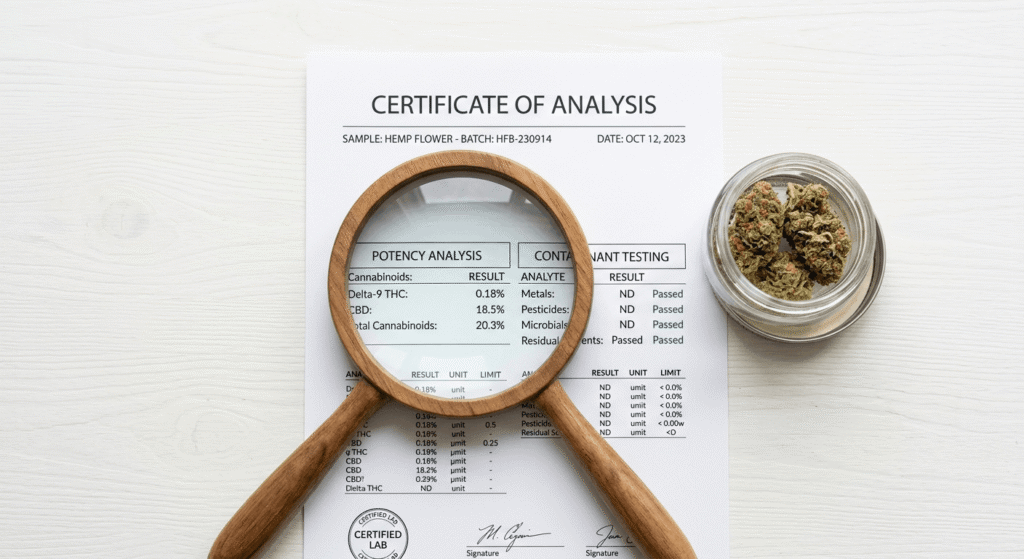
Unregulated THCA flower or concentrates may be contaminated with heavy metals, pesticides, or residual solvents. These contaminants, rather than THCA itself, are often the source of serious adverse reactions. Consistently review third-party Lab Results and only purchase from reputable Shop or About section-vetted suppliers.
Improper Storage Risks:
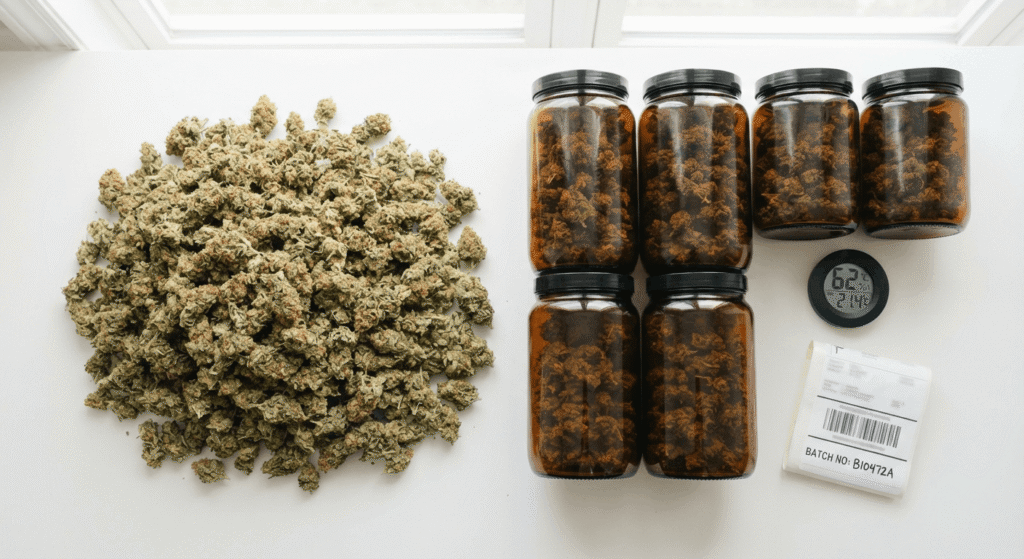
THCA concentrates and flower degrade when exposed to light, heat, and air. Degraded products may harbor toxins or have altered cannabinoid profiles, leading to unpredictable effects. Always store in opaque, airtight containers to maintain safety and freshness.
THCA Legality
THCA legality is defined by a complicated interplay of federal, state, and, in some instances, local regulations.
Federal Hemp Law:
The 2018 Farm Bill permits hemp derivatives with less than 0.3% delta-9 THC by dry weight. THCA-rich hemp flower and concentrates are currently legal under this federal standard—provided only delta-9 THC is considered—allowing online commerce and interstate sales. The meaning and legal status of THCA products often hinge on this threshold.
Regulatory Evolution in 2026:
Beginning November 12, 2026, federal law will shift to a “total THC” approach, combining both delta-9 THC and any THCA that could be converted upon heating. After this transition, most high-THCA flower and related products exceeding 0.3% total THC will no longer be federally legal. The official Farm Bill text outlines current policy, while future requirements are summarized in the Continuing Appropriations and Extensions Act of 2026.
State-by-State Law Differences
Some states, such as California, Ohio, and Louisiana, use the delta-9-only rule, making THCA flower legal if the delta-9 level is under 0.3%. Others—New York, Oregon, and more—already employ “total THC” laws, making high-THCA hemp illegal regardless of its current psychoactive content. This patchwork of laws means a thca guide always advises checking the rules in your state before buying, selling, or possessing THCA flower or concentrates.
Compliance Checklist
- Buy only from companies providing clear Lab Results and documented Farm Bill compliance.
- Check for “total THC” as well as delta-9 THC on product labels and certificates.
- Prepare for a shrinking THCA hemp market after late 2026 due to tighter federal restrictions.
- Always read vendor Terms & Conditions and review your state’s regulations.
- Consult the official Farm Bill text for further reference.
What is THCA Flower?
THCA flower describes hemp plants bred and harvested for maximum THCA content, provided their delta-9 THC levels stay within legal limits. This strategy enables suppliers to offer cannabis with high psychoactive potential upon decarboxylation, while complying with regulatory requirements for hemp.
Types of THCA Flower:
- Standard THCA Hemp Flower: Core market products bred for THCA content above 20%.
- Exotic and Boutique Strains: Specialty flowers feature higher THCA percentages or unique terpene offerings, marketed for flavor and effect variance.
- Pre-Rolls and Trimmed Options: Convenient forms designed for on-the-go enjoyment, often lab-tested for purity.
THCA flower is rising fast in the Flowers market, with consumers seeking both non-intoxicating and potential psychoactive benefits upon heating. Sales have surged, and in some markets thca flower now represents well over half of total retail hemp sales. Business buyers can explore Wholesale Pricing for bulk order discounts.
Practical Uses and Consumption
- Heating and Inhalation: Smoking, vaping, or dabbing THCA flower triggers decarboxylation, producing THC and resulting in classic cannabis intoxicating effects.
- Raw Consumption: THCA flower can be juiced, blended, or added to salads for users who want potential anti-inflammatory or neuroprotective effects without intoxication.
- Edibles and Oils: Infusing THCA flower into butters or oils can yield non-psychoactive wellness products—unless heated.
Always prioritize independent lab testing, such as Lab Results, to confirm cannabinoid content and product safety.
How to Decarboxylate THCA
Decarboxylation is a fundamental process for those who want to harness the psychoactive properties of cannabis, as it converts non-psychoactive THCA into THC. Follow this detailed thca guide to perform safe and efficient decarboxylation at home.
- Gather Supplies
Prepare high-THCA cannabis flower or concentrate, a baking sheet (for flower), parchment paper (optional for concentrates), and an accurate oven or vaporizer. - Set Temperature
Target 220–240°F (104–116°C) for best THCA conversion without destroying terpenes or cannabinoids. - Decarboxylate Flower
Preheat oven to 240°F (116°C). Evenly break up flower across a lined baking sheet. Bake for 30–40 minutes, stirring every 10–15 minutes for uniform conversion. Cool before use. - Decarboxylate Concentrates
For Distillate, Badder, Crumble, Live Resin, Rosin, Sugar, and Hash: use a dab rig or vaporizer set between 400–600°F (204–316°C). Avoid direct flames that might degrade cannabinoids. - On-the-Fly Decarboxylation
Smoking or vaping flower/ concentrates automatically converts THCA to THC. Up to 88% efficiency can be expected, according to PMC cannabinoid reports. - Test for Potency
After decarboxylation, expect about 87–88% conversion of original THCA to bioavailable THC. Consider using a licensed laboratory for precise testing if making edibles or extracts at home.
THCA in the Marketplace: Products, Purity, and Buying Guide
Consumer demand has led to a vast expansion of THCA product offerings, from traditional flower and pre-rolls to potent extracts and edibles. Choosing products wisely ensures safety and satisfaction.
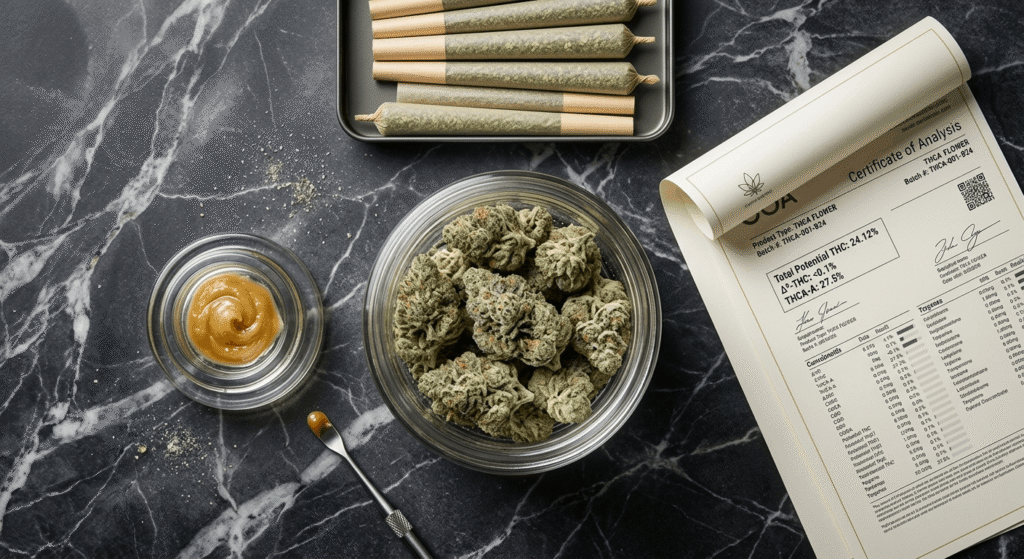
Popular Product Categories:
- THCA Flower: Suitable for both non-intoxicating use (raw) and psychoactive experience (heated).
- Concentrates: Options include “diamonds,” Badder, Crumble, Distillate, Hash, Live Resin, Rosin, and Sugar. These products can contain 70–99% cannabinoids.
- Disposables and Edibles: Newer forms provide quick, portable dosing. For edibles, decarboxylation is essential for psychoactive results.
Purity, Testing, and Brand Reputation
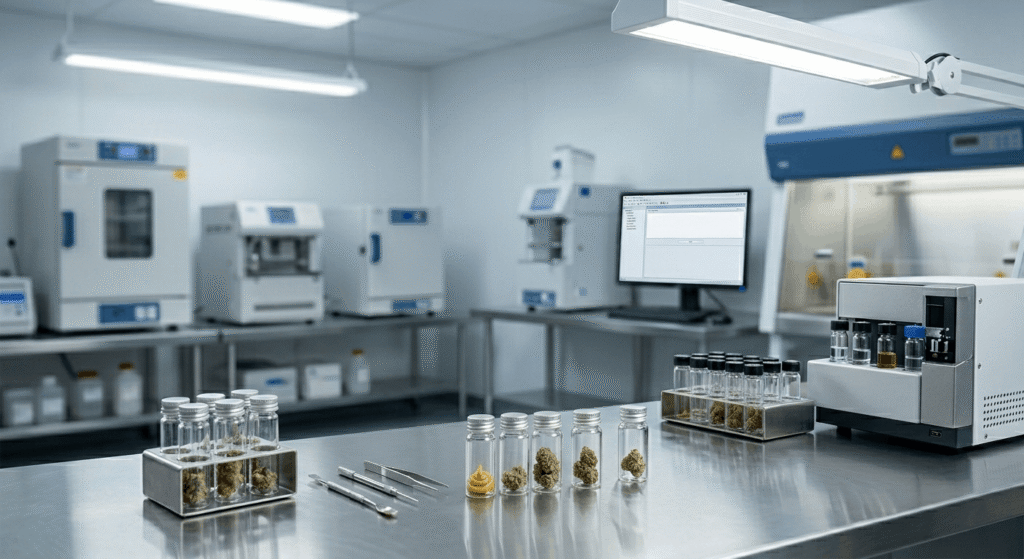
Due to unregulated entrants, safety concerns have increased. Always demand updated Lab Results and COAs from independent labs. Scrutinize products for pesticide, mold, and heavy metal content—especially with concentrates. Check real consumer reviews and prioritize established brands with verifiable transparency. Reputable suppliers like those on the Shop page should be your starting point.
Informed Buying Tips
- Look for clear labeling with both delta-9 and total THC values.
- Read informational guides and reviews on trusted Blogs before trying new products.
- Explore Contact options for customer service and clarification on safety standards.
Common Mistakes to Avoid With THCA
Misunderstandings about thca meaning and use can undermine your cannabis experience or lead to legal and health issues.
Misunderstanding Psychoactivity:
A common error is believing thca flower is always non-intoxicating. Any heating, including smoking or vaping, transforms non-psychoactive THCA into psychoactive THC. Use raw THCA for non-intoxicating effects.
Forgetting Legal Details:
Confusing federal with state law, or ignoring regulatory updates coming in 2026, can cause compliance problems or legal risk. Always confirm both local and federal regulations before purchasing THCA products.
Skipping Lab Tests:
Passing up independent Lab Results or failing to verify product labels exposes you to possible contamination or mislabeling.
Poor Storage:
Leaving thca flower or concentrates in sunlight, heat, or open air accelerates degradation and reduces efficacy. Use sealed, opaque containers.
Incorrect Dosing:
Concentrates, in particular, are easy to overconsume due to their strength. Start with small amounts, especially if you are heating products for decarboxylation and psychoactive impact.
FAQs
1. Does THCA get you high?
THCA in its raw form does not get you high because it is non-psychoactive. Only when THCA is heated and undergoes decarboxylation does it become THC, which can induce intoxicating effects typical of cannabis.
2. Is THCA legal everywhere?
THCA legality depends on both federal and state regulations. While THCA in hemp is federally legal if delta-9 THC is below 0.3%, some states have more restrictive rules involving “total THC” that also factor in THCA content. Always review state and local laws before possessing or buying THCA.
3. What are the medical uses of THCA?
Preclinical research suggests thca medical benefits such as anti-inflammatory, neuroprotective, and antiemetic properties. Most of the available evidence so far comes from lab and animal studies, so consumers should consult a healthcare provider before using THCA for therapeutic purposes.
4. How do I use or consume THCA products?
You can consume THCA raw—by juicing, blending, or adding it to foods for non-psychoactive wellness—or heat it through smoking, vaping, or baking to activate psychoactive THC. The chosen method directly determines the effects experienced.
5. Will THCA show up on a drug test?
On its own, THCA is unlikely to cause a positive drug test. However, if you decarboxylate the product and convert THCA to THC by heating, the resulting THC metabolites can be detected in standard drug screenings for cannabis.
Conclusion
Understanding thca meaning, its benefits, side effects, and shifting legality empowers you to make informed decisions about its use. THCA is an intriguing option for those looking for neuroprotective or anti-inflammatory support without intoxication, especially when consumed raw. If you prefer traditional cannabis effects or want to explore Farm Bill-compliant products, remember that regulatory changes are coming. Always prioritize purchase of lab-tested THCA flower or concentrates from trusted sources, review both state and federal laws, and consult professionals as needed. By staying up to date and cautious, you can maximize benefits and minimize risks along your THCA journey.