Quick Answer Box: White-label & private-label THCA lets a retailer sell THCA flower, concentrates, or pre-rolls under its own brand name without building a farm or extraction lab. A supplier handles cultivation and processing, and the buyer adds packaging, labels, and pricing. Most programs run on MOQs between 100 grams and a few kilograms, though the entire category faces a hard compliance deadline on November 12, 2026.
What Is White-Label & Private-Label THCA?
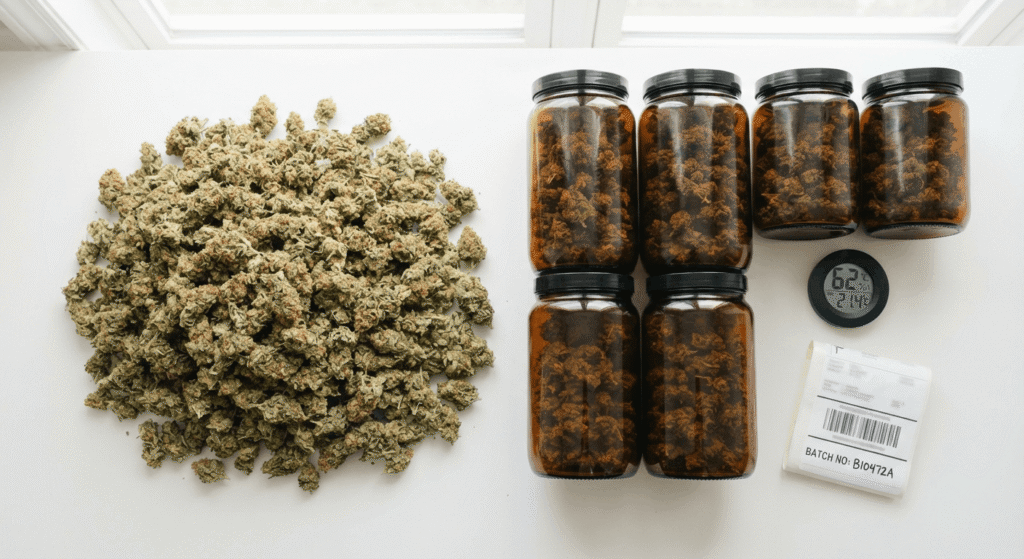
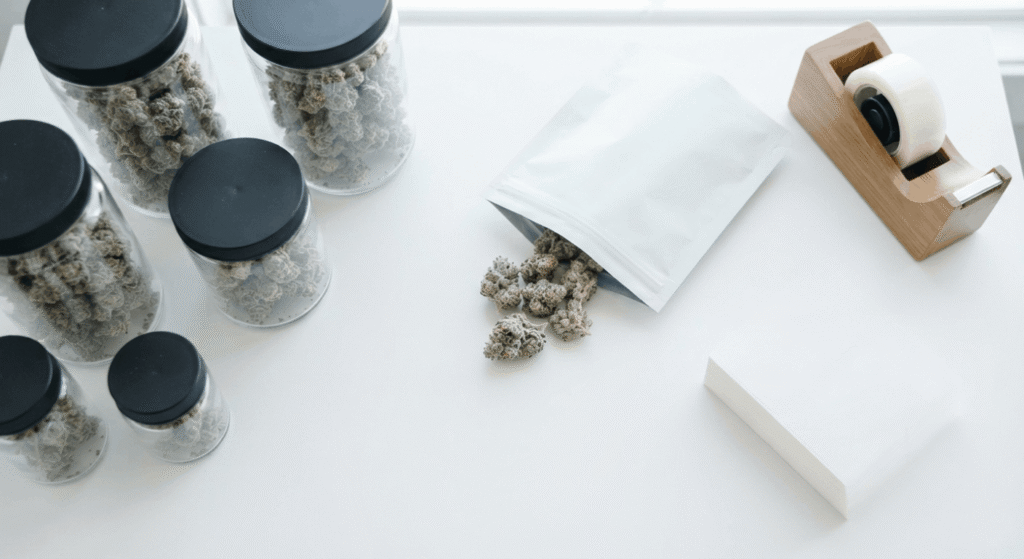
White-label & private-label THCA is a wholesale arrangement where a manufacturer produces THCA flower, concentrates, or pre-rolls and a retailer or startup brand sells the finished goods under its own name. Smoke shops, online retailers, and emerging hemp brands use this model to skip the cost of cultivation, extraction, and lab testing while still controlling pricing and packaging.
The model works because federal hemp law currently allows interstate sale of THCA products that test under 0.3% delta-9 THC by dry weight. A wholesale partner like a THCA flower supplier handles the agronomy and compliance testing, and the brand owner focuses on customers. That division of labor is why over 100 brands have launched through established private label programs since 2017, supplying thousands of smoke shops nationwide.
Most established suppliers run GMP-compliant facilities and handle everything in-house, from trimming to infusion to final packaging, rather than drop-shipping from a third party. That matters for brand owners because the manufacturer’s compliance posture becomes the brand’s compliance posture the moment a product ships under your logo. A supplier with weak documentation passes that risk straight to you.
Common product categories built through white label and private label THCA programs include:
- THCA flower in jars, mylar bags, or pre-roll formats
- THCA concentrates such as live rosin, badder, and diamonds
- THCA vape cartridges and disposables
- THCA pre-roll multipacks for counter display
How to Build Your THCA Brand: 6 Steps to Launch in 2026
Building a THCA business starts with picking a compliant supplier and ends with a packaging run that meets every state you plan to ship into. Most brands move from first contact to shelf-ready product in three to six weeks once a supplier and MOQ are locked in.
- Choose your product format. Flower, pre-rolls, and concentrates each carry different MOQs and margins. Isolate-based products typically start at 100 grams to 1 kilogram for a first order, while flower programs often require case-level commitments.
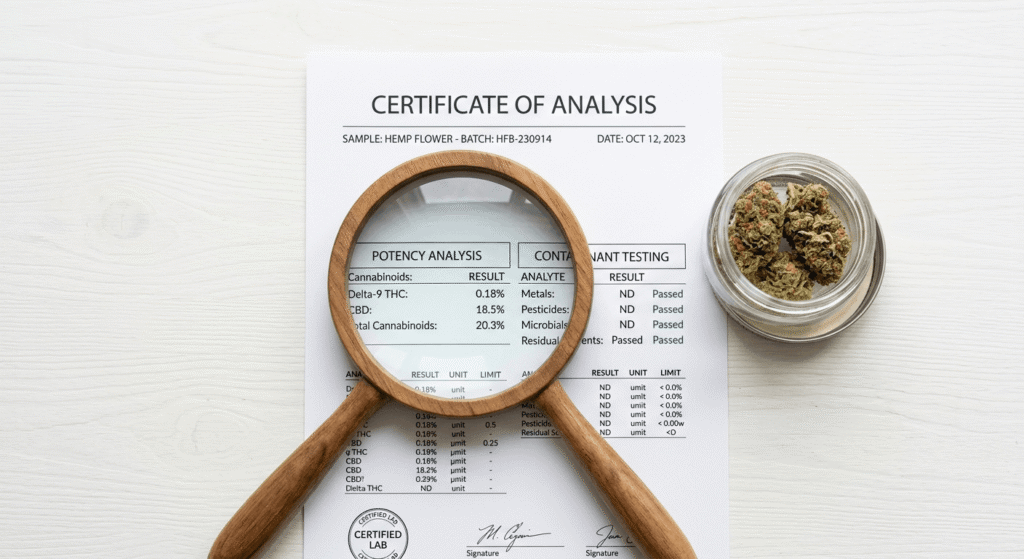
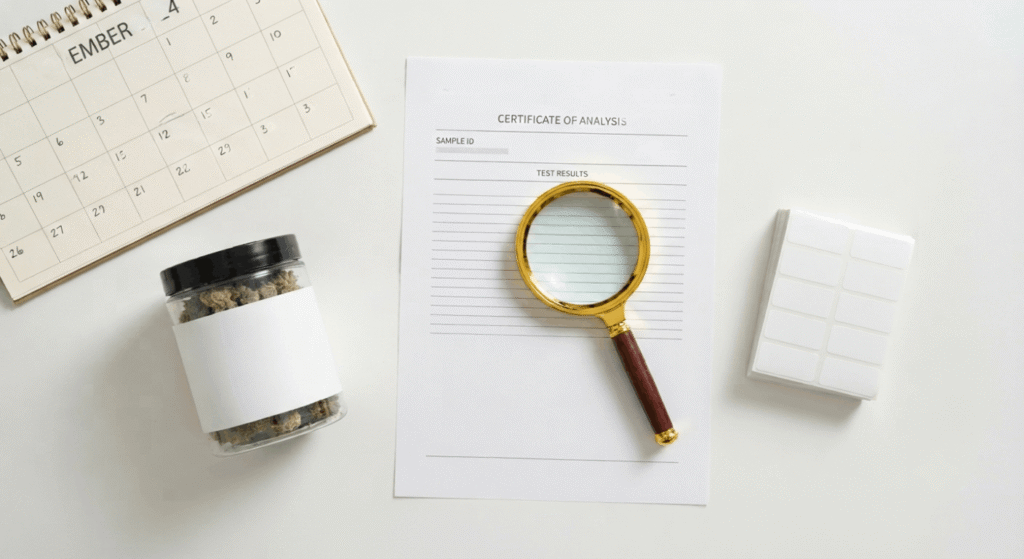
- Vet the supplier’s lab testing. Ask for batch-specific Certificates of Analysis from an ISO/IEC 17025-accredited lab covering potency, pesticides, heavy metals, and microbials before placing a deposit. If your packaging will claim “child-resistant,” confirm it carries independent certification under 16 CFR 1700, the federal Poison Prevention Packaging Act standard. Printing the claim without certification from a lab like Intertek or SGS creates liability that falls on the brand, not the manufacturer.
- Decide white label or private label. White label means selling an existing formula under your logo. Private label means custom strain selection, packaging design, and sometimes formulation input.
- Design compliant packaging. Build in child-resistant closures, a QR code or URL linking to the COA, batch numbers, and state-required warning statements from day one rather than retrofitting later.
- Confirm shipping restrictions by state. THCA products commonly cannot ship into states such as Idaho, Arkansas, and Oregon, and several states now apply total-THC testing instead of a delta-9-only standard.
- Plan for the November 2026 deadline. Under federal law, every white label or private label THCA order placed today needs a transition plan, since the current delta-9-only standard expires soon. Banks and payment processors are already de-risking ahead of the deadline, so brand owners should confirm merchant processing stays intact through the transition rather than assume current accounts carry over. Read our Farm Bill compliance guide for the full breakdown of what changes and when.
What’s the Difference Between White Label and Private Label THCA?
White label and private label THCA differ mainly in how much control the brand owner has over the formula and packaging. White label is faster and cheaper to launch. Private label takes longer but produces a more differentiated product line.
| Factor | White Label | Private Label |
|---|---|---|
| Formula control | Fixed, supplier’s existing recipe | Custom strain, blend, or potency |
| Typical MOQ | Lower, often case-pack minimums | Higher, batch-specific minimums |
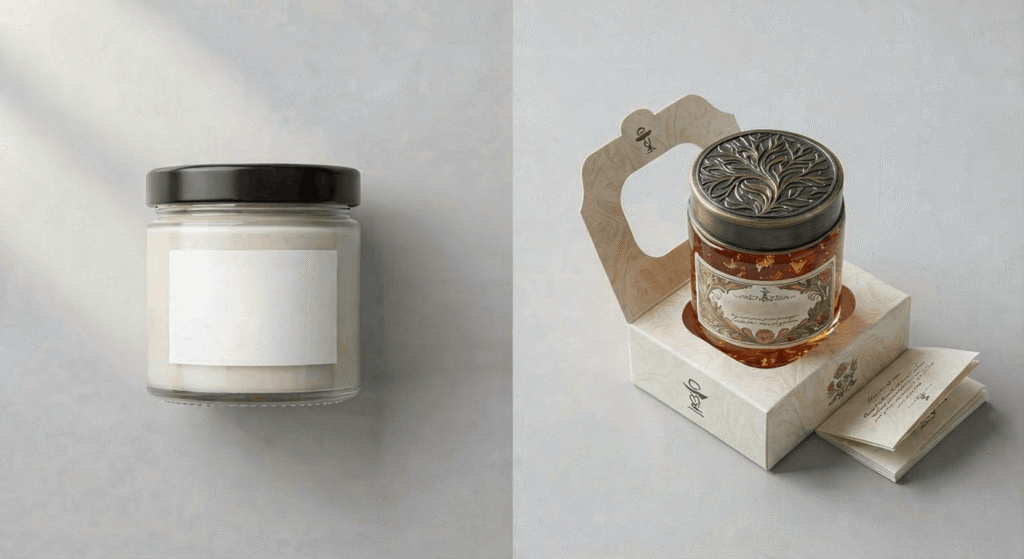
| Packaging | Blank containers, your label applied | Fully custom design and structure |
| Time to launch | Days to a few weeks | Several weeks to a few months |
| Best for | Fast market entry, testing demand | Established brands building a moat |
A blank-container white label run can ship within days of approval. A private label program with custom diamond sauce or a proprietary terpene blend usually adds development time, since the supplier has to formulate and test before bulk production starts. Buyers comparing wholesale THCA flower options should weigh that timeline against their launch deadline, especially with the federal compliance clock running.
Glass jars project a premium feel but cost more than mylar; mylar suits high-volume, budget-conscious launches. Either format needs the same compliance basics: a legible THCA and total THC count, a batch number that matches the COA, and language confirming the product has not been evaluated by the FDA.
Brands building a private label concentrate line should review our concentrates guide before locking in a formula, since rosin, badder, and diamonds carry different barrier-packaging needs than flower. Budget-focused launches sometimes start with THCA smalls repackaged under a private label to test demand before committing to top-shelf flower pricing.
Frequently Asked Questions
1. How much does it cost to start a white label THCA brand?
Entry costs vary by format. THCA isolate programs commonly start at $1,200 to $4,500 per kilogram depending on purity, while flower and pre-roll programs price by the pound or case. Custom packaging design and label printing add a separate, often one-time cost on top of product pricing.
2. Do I need a license to sell private label THCA products?
Most states don’t require a cannabis license to resell compliant hemp-derived THCA products, but several states ban THCA outright or require a state hemp registration. Before signing a private label agreement, check destination-state rules, since requirements range from no registration to full retail licensing depending on the state.
3. Will white label THCA still be legal after November 2026?
Not in its current form. Federal law shifts from a delta-9-only test to a total THC standard on November 12, 2026, calculated as THCA multiplied by 0.877 plus delta-9 THC. Brands should use the runway now to:
- Confirm which SKUs can be reformulated under the new total-THC cap
- Lock in supplier commitments before testing standards change
- Build packaging that can absorb a relabeling update if rules shift again
4. How long does it take to launch a private label THCA brand?
Most private label programs take three to six weeks from signed agreement to shelf-ready product, longer than the days-long turnaround for blank-container white label. Custom strain selection, formulation, and packaging design each add time. Suppliers that handle manufacturing in-house, rather than outsourcing to a co-packer, tend to move faster through this process.
5. What packaging is required for THCA products sold across multiple states?
Multi-state sellers should design to the strictest applicable state rather than the loosest. That typically means child-resistant closures certified under 16 CFR 1700, a QR code or URL linking to a batch-specific COA, the universal cannabis warning symbol, and a clear total THC count printed on the primary label panel.
Conclusion
White-label & private-label THCA remains one of the fastest ways to launch a hemp brand without building cultivation or extraction capacity, but the window to do it under current rules is closing. Pick a supplier with verifiable COAs, decide early whether you want white label speed or private label differentiation, and build your packaging to survive the November 12, 2026 total-THC standard rather than fight it after the fact. Review current wholesale pricing before locking in your first order.