Quick Answer Box: The cannabis industry is booming in 2026, propelled by fast-paced cannabis legalization, groundbreaking cannabis products, and advanced cannabis compliance strategies. With global sales nearing $137.7 billion, this industry’s rapid evolution drives job creation, investment, and significant changes in the cannabis market and legal landscape.
What is the Cannabis Industry?
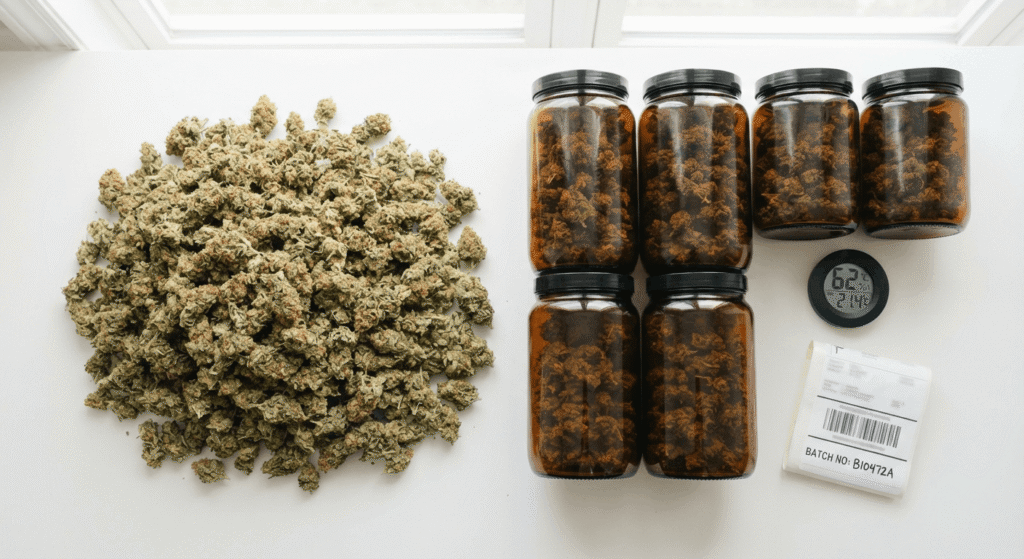
The cannabis industry, in 2026, refers to all licensed activities involving cannabis and its derivatives, including cultivation, processing, manufacturing, distribution, retail, and a variety of ancillary services. The sector has rapidly expanded since the 2010s, covering consumer cannabis products like flowers, edibles, concentrates, vapes, and wellness items. Its scope also includes packaging, compliance systems, analytics platforms, and retail technology. Both plant-touching and supporting businesses drive what is now a global cannabis market, shaped by evolving laws and cutting-edge innovation.
Cannabis Market Growth in 2026: Key Drivers and Statistics
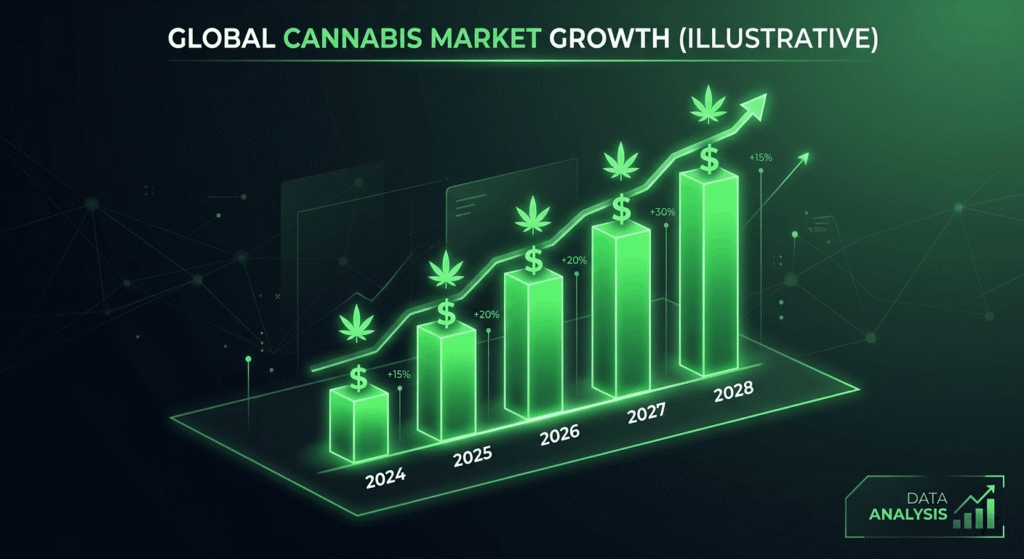
The global cannabis market is projected to reach $137.7 billion in 2026, driven by a 28% compound annual growth rate, according to Grand View Research. In the United States, industry value is on track to exceed $49.5 billion, contributing over $149 billion to the economy and supporting roughly 425,000 full-time jobs. Job creation is strongest in newly legalized states such as New York, which saw over 200% growth in cannabis employment during 2025. California leads US state cannabis revenues, collecting $4.43 billion each year.
Major Factors Fueling the Cannabis Industry
Key drivers behind this market expansion include ongoing cannabis legalization, rising consumer acceptance, new capital access, and relentless product innovation. Mainstream adoption is at an all-time high, with 21–23% of US adults using cannabis and 64% believing the stigma has faded away. Fast-growing product segments include edibles, beverages, and potent concentrates like badder, crumble, and distillate. These trends collectively cement the cannabis industry’s standing as a leading growth sector worldwide.
Cannabis Legalization: How It Fuels the Green Rush
Cannabis legalization is now widespread, with more than 60% of US states allowing medical or adult-use cannabis. Countries like Canada, Germany, and emerging Asia-Pacific markets are following the trend. The US saw dramatic progress with federal rescheduling in 2026, reducing burdensome taxation (notably IRS 280E) and easing banking access. Recent state legalizations in New York, New Jersey, and Ohio have also unleashed job growth and new investment.
Globally, the march toward cannabis legalization expands the customer base and drives demand for innovative cannabis products. Legal changes have boosted retail and cultivation opportunities for existing licensees and inspired a wave of new entrepreneurial entrants. For the latest legal guidance, visit the official US government portal for hemp and cannabis legislation. For industry developments and updates, explore cannabis industry news.
Impact on Cannabis Cultivation and Retail
Legalization changes have improved the landscape for both cannabis cultivation and retail. Lower barriers mean more businesses can compete. Changes in zoning laws, licensing, and compliance systems have increased accessibility while raising the bar for transparency and operational oversight further propelling the growth of the cannabis industry.
Cannabis Compliance: Navigating Complex Regulations
Cannabis compliance is a central pillar of business survival in 2026. Legal operators must meet a complex web of federal, state, and sometimes municipal rules. Although federal rescheduling has eased some tax burdens, businesses still face robust state-level compliance encompassing recordkeeping, seed to sale tracking, routine inventory management, and frequent audits. RFID tagging now ensures nearly all plant movements are traceable.
Use of Technology in Cannabis Compliance
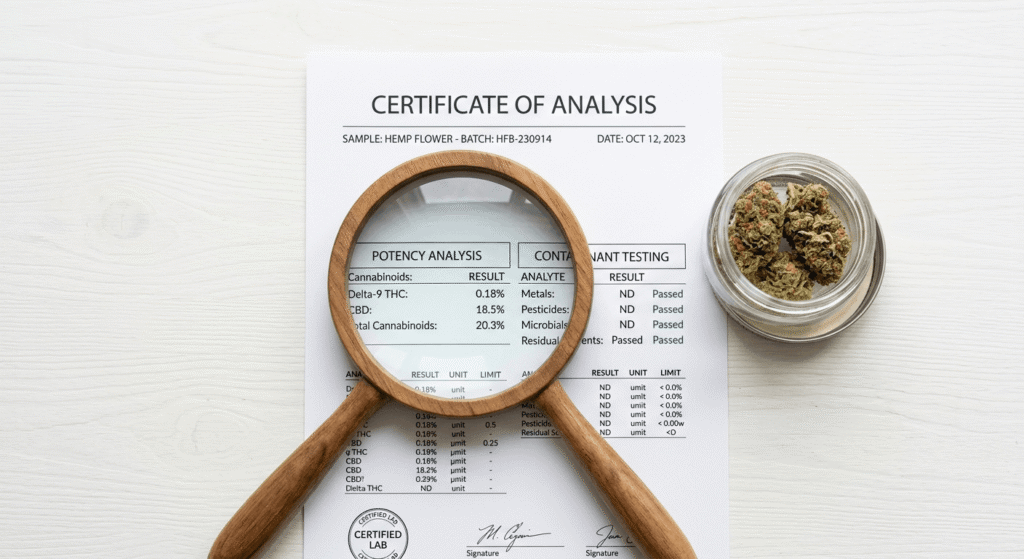
Technology is vital for managing cannabis compliance. Workflow platforms like Metrc and BioTrack automate reporting, support accurate recordkeeping, and ensure regulatory deadlines are met. Maintaining up-to-date lab results for every batch is now standard practice. Non-compliance risks heavy penalties, license loss, or forced business closure.
Many businesses leverage vertical integration combining cultivation, processing, and retail to better control compliance and improve margins. Cannabis operators, whether specializing in flowers or concentrates, must adapt quickly, keeping pace with ever-evolving cannabis compliance mandates.
Emerging Cannabis Products and Consumer Trends
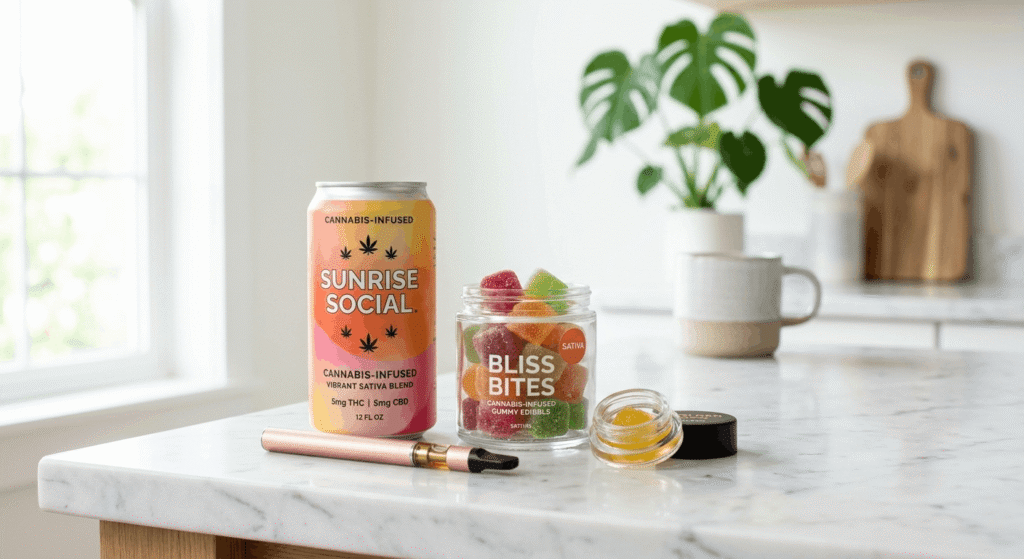
The diversity of cannabis products has never been greater. While flower still accounts for 44% of US sales, vapes (26%), concentrates (17%), and edibles (11%) are increasingly popular. Cannabis beverages have emerged as the standout category of 2026, enjoying 15% annual growth. The sector’s innovation includes launches of fast-acting edibles, micro-dosed products, as well as wellness lines targeting specific effects and containing minor cannabinoids.
Demographics are shifting, too. Older adults and women are among the fastest-growing consumer groups. With stigma declining, more consumers prefer discreet, health-forward options over smokable forms. Cannabis brands focus on digital marketing, social engagement, and event-centered promotions. According to industry research, 80% of brands now operate websites and 74% rely on digital sales promotions.
Product Differentiation in the Cannabis Industry
Cannabis entrepreneurs must stand out in crowded markets. Success often requires introducing unique concentrates, including hash, live resin, rosin, and sugar. Some focus on minor cannabinoids, flavor innovations, or effects-driven product lines to capture specific niches and boost customer loyalty.
How to Start or Scale a Cannabis Business in 2026
Launching or expanding a cannabis business in this climate demands rigorous planning and regulatory insight. Here’s a step-by-step approach to building sustainable success in the cannabis industry:
- Research Your Market and Legal Requirements
Start by reviewing state and local cannabis laws through official resources. Analyze area demand, identify new consumer segments, and spot untapped categories in the cannabis market that could set your business apart. - Secure Licenses and Meet Compliance Standards
Apply for the appropriate cannabis licenses whether for cultivation, manufacturing, retail, or distribution and implement robust compliance processes. Leverage lab results and trusted software platforms to maintain up-to-date reporting and documentation. - Choose Your Cannabis Products and Business Model
Determine your company’s operational focus. Will you concentrate on cannabis cultivation, retail, processing, or vertical integration? Select cannabis products such as flowers, concentrates, or innovative edibles that align with the latest consumer trends, such as wellness or micro dosing. - Build Operational Efficiency and Strong Branding
Improve efficiency with automation, advanced POS/ERP tech, and continuous quality control. Develop a standout brand identity using targeted, data driven marketing strategies. Drive growth with online outreach, in-store events, and exclusive promotions. Partner for favorable wholesale pricing and keep your product mix fresh and competitive.
For a full range of inventory and bulk deals, visit the Shop for up-to-date product listings and discounts.
Cannabis Cultivation vs. Retail: A 2026 Comparison
| Category | Cannabis Cultivation | Cannabis Retail |
|---|---|---|
| Upfront Costs | High (land, facilities, tech) | Moderate to high (buildout, inventory) |
| Regulation Intensity | High (environmental, tracking) | Moderate (security, sales, local zoning) |
| Average Margins | 14–25%; can face compression | 8–18%; price wars common |
| Profitability Trend | Flat or declining in mature states | Rising where demand outpaces supply |
| Growth Outlook | Moderate; oversupply risk | High in new/underserved markets |
Common Mistakes to Avoid in the Cannabis Industry
Entrepreneurs new to the cannabis industry often underestimate how complex cannabis compliance has become in 2026, risking penalties or forced shutdowns. Neglecting market research or failing to adapt to changing demand and price compression can result in poor product selection and lost profits. Some businesses focus on efficiency only after encountering operational challenges, rather than building robust systems from the outset. Finally, insufficient investment in branding and competitive differentiation causes many to miss opportunities for market share growth.
FAQs
1. What are the biggest changes in cannabis laws in 2026?
The most impactful legislative change in 2026 is the US federal rescheduling of cannabis. This adjustment lowers tax burdens—especially removing the limits of IRS 280E and enhances access to banking and financing for the entire cannabis industry. Prominent state-level legalizations, such as those in New York, New Jersey, and Ohio, further extend industry reach and economic opportunity. For current information, see the official government hemp and cannabis laws site.
2. How profitable is the cannabis industry now?
Data from 2026 indicates that cannabis cultivators generally earn gross margins of 14–25%, and retailers achieve 8–18%, with precise results varying by location and business model. Revenues are rising, with US cannabis sales at $49.5 billion this year. While profitability pressures exist, businesses that embrace vertical integration or market specialization find better long-term success.
3. Which cannabis products are growing fastest?
Research from BDSA and Flowhub points to cannabis beverages as the highest growth sector, delivering 15% annual increases in 2026. Edibles and concentrates including badder, crumble, and live resin are also expanding rapidly. Fast acting, micro dosed, and wellness-driven products remain popular with a wide spectrum of consumers.
4. What are key compliance requirements for cannabis businesses?
Cannabis compliance encompasses several core requirements: obtaining state and local licenses, maintaining accurate records, managing seed-to-sale inventory tracking with RFID, passing frequent audits, and securing third-party lab results for all batches. Companies rely increasingly on purpose-built compliance software to streamline reporting and adhere to complex documentation rules.
5. Is cannabis stigma still an issue for consumers?
By 2026, cultural attitudes have transformed, with 64% of Americans saying cannabis stigma has largely disappeared. Most consumers experience minimal barriers to purchase or use. However, isolated resistance persists in areas where legalization is limited or slow to progress, particularly among specific older demographics.
Conclusion
The cannabis industry is booming in 2026 thanks to rapid cannabis legalization, ongoing product innovation, and increasingly sophisticated cannabis compliance processes. With global sales projected to top $290 billion by 2033, operators focused on regulatory agility, technological advancement, and consumer-centric product strategies will lead the next chapter. The decade ahead promises unprecedented opportunities as the cannabis industry strengthens its role as a defining force in the world economy.