Quick Answer Box: THCa vs THC compares tetrahydrocannabinolic acid (THCa) and tetrahydrocannabinol (THC), two principal cannabinoids in cannabis and hemp. THCa is non-psychoactive and found in raw form, while THC generates psychoactive effects that cause a “high.” In terms of potency, THC is significantly stronger.
What is THCA vs THC?
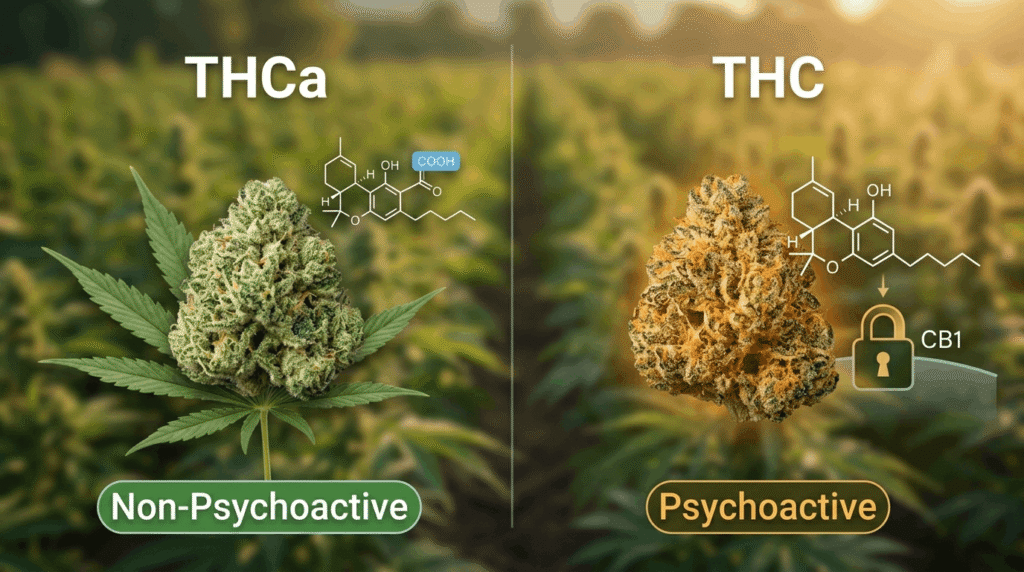
THCa vs THC is the comparison between two central cannabinoids found in cannabis and hemp: tetrahydrocannabinolic acid (THCa) and tetrahydrocannabinol (THC). In raw and unheated form, THCa is non psychoactive, meaning it does not produce a high. However, when heated through a process called decarboxylation, THCa is converted into THC, which is the compound responsible for the intoxicating and euphoric effects commonly associated with marijuana. This distinction is critical for consumers because the effects, legal status, and potential uses of each compound are quite different.
The Science Behind THCA and THC
THCa, or tetrahydrocannabinolic acid, is the precursor compound that accumulates in the trichomes of raw cannabis and hemp plants. Due to its extra carboxyl group (COOH), THCa does not interact effectively with the brain’s CB1 receptors, so it does not create psychoactive effects when consumed raw or unheated. Instead, its molecular structure restricts it to primarily non-intoxicating roles within the body.
THC, also known as delta-9-tetrahydrocannabinol, forms when THCa is heated and loses its carboxyl group through decarboxylation. This change allows the molecule to bind directly to CB1 receptors in the brain, resulting in altered mood, perception, and other classic cannabis effects. THCa is naturally abundant in freshly harvested cannabis and hemp flower, while THC dominates in products that have undergone processing, such as smoking, vaping, or edible preparation.
Both THCa and THC can interact with the endocannabinoid system, but only THC elicits psychoactive reactions. While THCa interacts with CB2 receptors in the immune system, providing possible anti-inflammatory and neuroprotective effects, THC is responsible for the psychoactive and “high” sensations that have made cannabis famous.
Decarboxylation and Its Impact
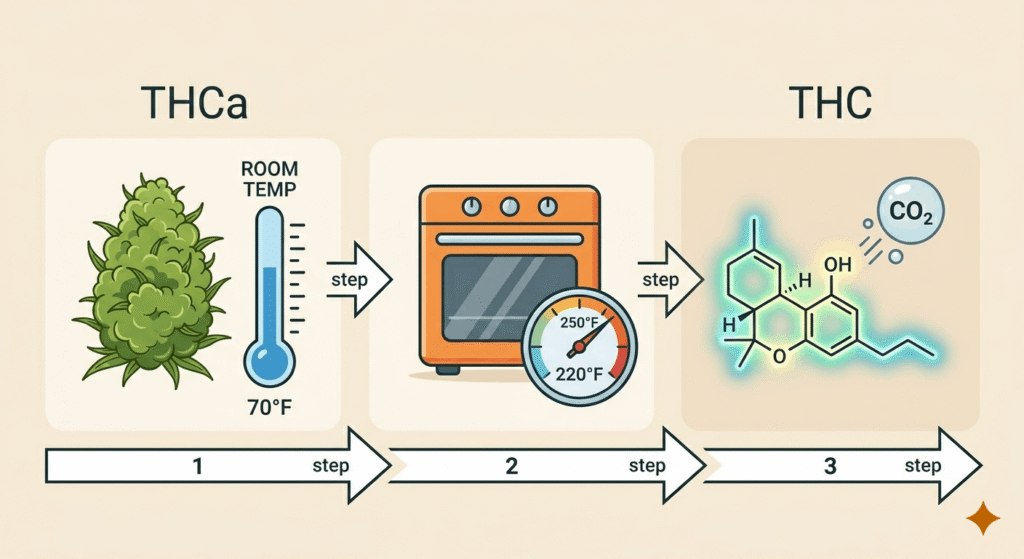
Decarboxylation is the critical turning point for THCa, unlocking its psychoactive potential by converting it into THC. When cannabis is subjected to heat whether by smoking, vaping, or cooking the carboxyl group from the THCa molecule is released as carbon dioxide, thus forming THC. Decarboxylation typically occurs between 220–250°F (104–121°C), and the extent of this conversion depends on both the temperature and duration of heating.
For example, in the context of baking cannabis edibles, the decarboxylation process often lasts 30–40 minutes at these temperatures for thorough conversion. In smoking or vaping, the process is almost instantaneous due to higher heat. A key point for consumers is that THCa flower, which is federally legal as long as Delta-9 THC remains below 0.3% by dry weight, can become illegal “THC flower” immediately after heating, depending on jurisdiction.
What is the difference between THCA and THC?
THCa vs THC describes the contrast between tetrahydrocannabinolic acid (THCa), a non-psychoactive cannabinoid in raw cannabis or hemp, and tetrahydrocannabinol (THC), the psychoactive molecule obtained by heating THCa. The main difference is that THCa does not cause a high, while THC does.
Effects on the Body and Mind
THCa is not psychoactive in its raw, unheated form. It cannot bind to brain receptors responsible for generating a high, making it popular among users looking for possible wellness benefits without mental impairment. Early research and user reports suggest that THCa may provide anti-inflammatory, neuroprotective, and anti-emetic effects, but most evidence remains in the early or anecdotal stages.
THC, in contrast, readily crosses the blood-brain barrier and binds to CB1 receptors, altering cognition, mood, and awareness. Its effects include euphoria, relaxation, increased appetite, and significant changes in perception. While THC is valued for recreation and symptom management including pain and nausea suppression it carries a higher risk of side effects such as paranoia, anxiety, and potential dependence.
Thca side effects and thc side effects
Consumers of THCa generally report mild side effects like dry mouth, slight digestive upset, drowsiness, or in rare cases, allergic reactions. Most negative reactions are mild and infrequent. On the other hand, THC’s psychoactive nature results in a broader spectrum of possible side effects, including anxiety, impaired coordination, diminished memory, paranoia, and dependency with regular use. People sensitive to psychoactive effects may be better served by THCa when seeking therapeutic use.
THCA Flower vs THC Flower
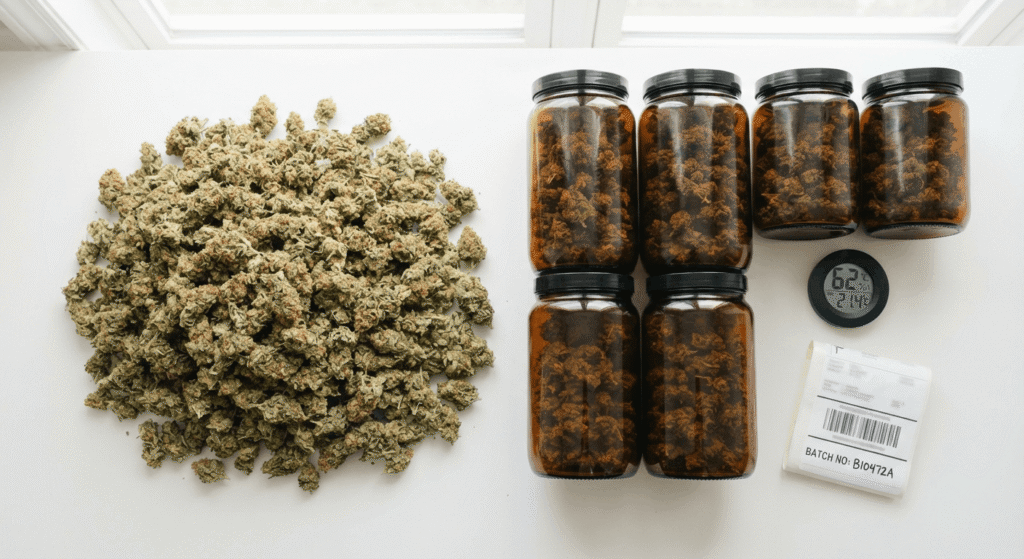
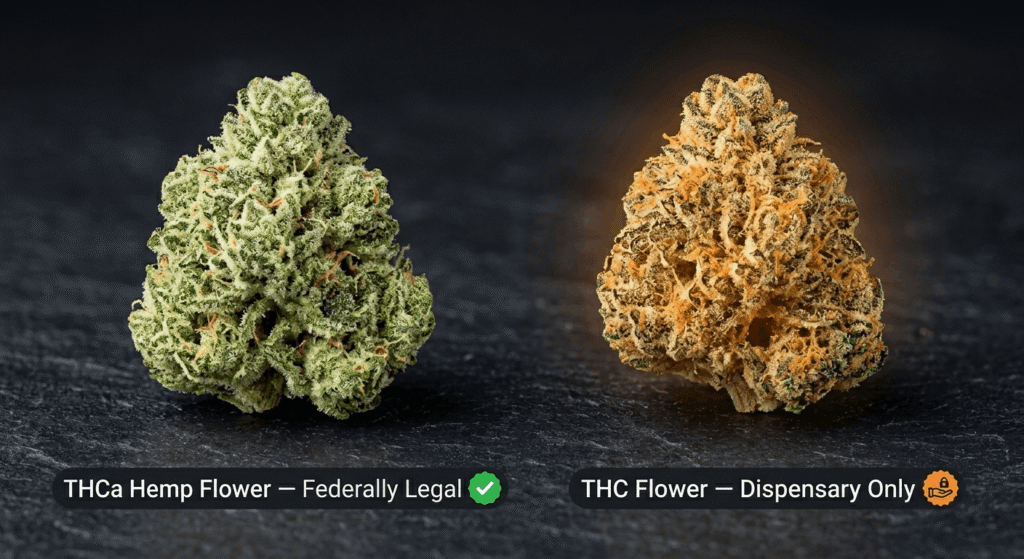
THCa flower refers to raw cannabis or hemp flower that contains high levels of THCa, but under 0.3% Delta-9 THC, allowing it to meet the federal definition of hemp under the 2018 Farm Bill. It is often indistinguishable in appearance and aroma from traditional cannabis and is commonly marketed for its wellness potential or legal ambiguity. However, once smoked or vaped, THCa flower undergoes decarboxylation and becomes psychoactive THC flower.
THC flower, by contrast, already contains high levels of ready-to-activate THC, either from prior decarboxylation or from use methods that instantly decarboxylate the THCa content, such as smoking or vaping. THC flower is available in licensed dispensaries in states with legal recreational or medical cannabis programs.
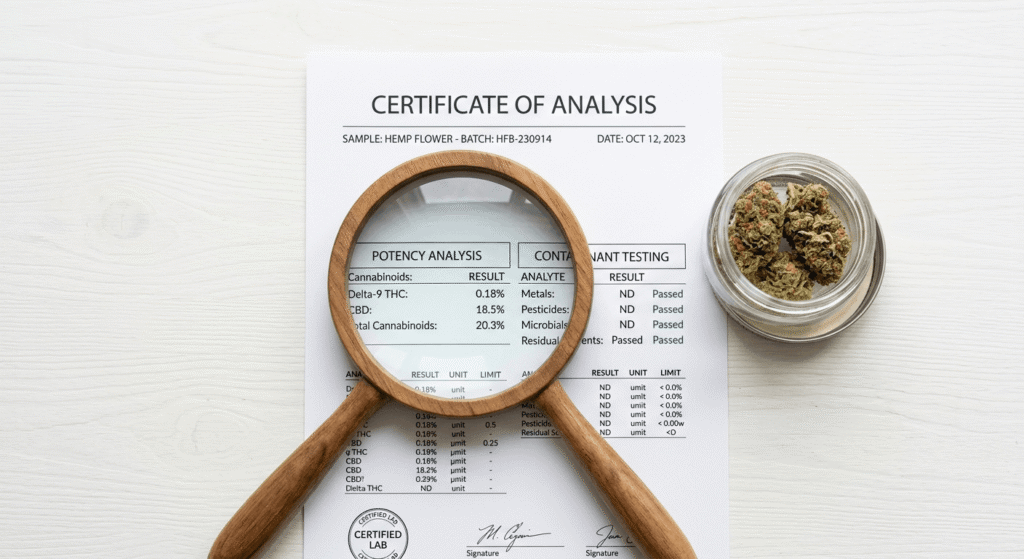
When shopping for thca flower or thca hemp flower, always review the Certificate of Analysis (Lab Results) to verify both compliance and potency. Pay attention to “total THC” calculations, which reflect potential THC levels after full decarboxylation.
Comparing sourcing and legal considerations
Knowing the difference between thca hemp flower and traditional thc flower is crucial for legal compliance. While THCa hemp flower is sold as hemp, its legality shifts after conversion to THC, especially in states regulating “total THC.” For current regulatory guidelines, consult USDA hemp regulations and examine resources on the About page. Stay updated on new developments through recent Blogs.
THCA Hemp Flower: A Legal Loophole?
THCa hemp flower surged in popularity due to a loophole in federal law the 2018 Farm Bill defines legal hemp as any cannabis containing less than 0.3% Delta-9 THC, but does not limit THCa content in the raw state. This means businesses can offer THCa-rich flower as “hemp” since it is non psychoactive before heating. However, as soon as the consumer applies heat, the product rapidly becomes psychoactive and may not comply with state laws.
As of 2026, many states and federal agencies are moving toward regulating not only Delta-9 THC but “total THC” (which includes potential THC from decarboxylation), closing the loophole. Buyers are strongly encouraged to confirm both state and federal compliance before purchasing. The official hemp law resource and the Terms & Conditions page provide continually updated legal summaries.
For wholesale opportunities, check Wholesale Pricing and for retail purchasing, use the Shop page. Always review the latest Lab Results for compliance verification.
THCA Dabs, THCA Concentrates, and Other Consumption Methods
Cannabis consumers can use THCa and THC in a variety of forms, and the chosen method directly affects the potency and effects by altering the decarboxylation process.
- THCA Dabs:Thca dabs involve consuming highly concentrated forms of THCa such as badder, crumble, distillate, hash, live resin, rosin, or sugar which are vaporized at high temperatures. This process rapidly converts THCa to THC, delivering potent psychoactive effects within seconds.
- Smoking/Vaping: Any form of unheated THCa flower becomes THC as it is smoked or vaporized, making the resulting product indistinguishable in effect from traditional THC flower.
- Edibles: If consumed raw, THCa in uncooked edibles remains non-psychoactive. Baking edibles at sufficient heat converts THCa to THC, so the effects are similar to that of other THC-containing edible products.
- Juicing/Raw Use: Consuming fresh cannabis or hemp flower through juicing or in raw preparations delivers THCa’s non-intoxicating potential, preferred by wellness seekers aiming to avoid the high.
Understanding the method of use is essential for predicting potency and legal compliance. Each chosen route specially dabs and concentrates can strongly affect the user experience.
Choosing products and reading labels
When considering concentrated products or concentrates, check the product label or consult the Lab Results page for cannabinoid breakdown and decarboxylation potential. If uncertain, the Contact page provides direct access to expert advice.
How to Use THCA or THC Safely
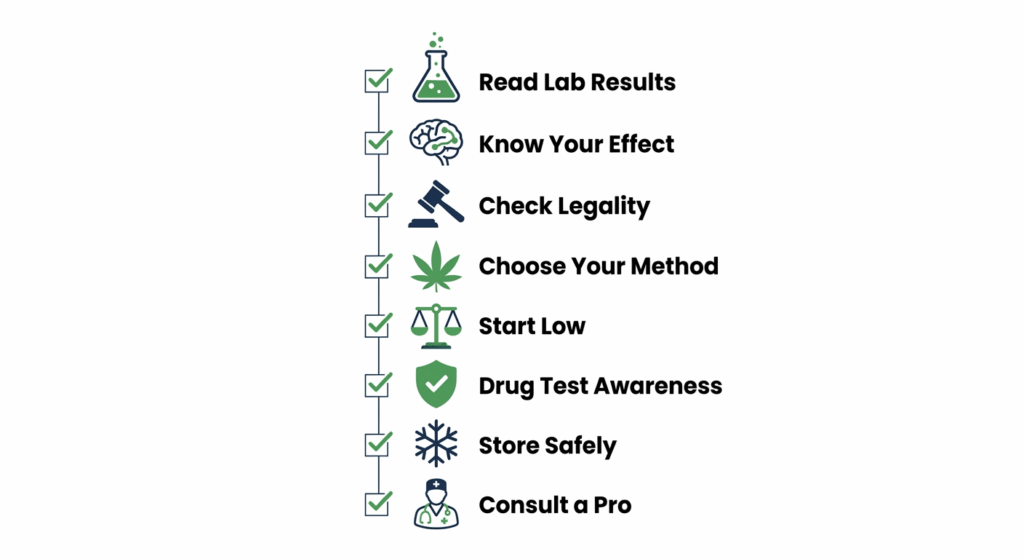
- Read Lab Results
Access and study the Certificate of Analysis (Lab Results) for each product to confirm THCa, THC, and total THC percentages. - Understand the Intended Effect
Clarify whether you desire non-psychoactive effects (as in raw THCa or juicing) or want the cannabis high (from THC after heating). - Check Product Legality
Verify current state and federal regulations. Products must meet hemp law standards (Delta-9 THC below 0.3%), viewable through the official hemp law resource. - Choose the Best Administration Route
Consume THCa raw as juice, unheated edibles, or tincture to avoid psychoactive effects. For a high, select smoking, vaping, or baked edibles that convert THCa to THC. - Start With a Low Dose
Particularly with new or potent products, begin with a small amount and monitor effects before increasing. - Stay Drug Test Aware
Remember, heated THCa products will metabolize as THC in your system and may be detected by standard drug screenings. - Store Safely
Prevent unwanted decarboxylation by keeping THCa products cool, dark, and sealed. - Consult a Professional
Anyone taking medications or with health concerns should consult a healthcare provider prior to use.
THCA vs THC
| Feature | THCa | THC |
|---|---|---|
| Chemical Structure | Has carboxyl group (COOH) | Lacks carboxyl group |
| Psychoactivity | Non-psychoactive | Psychoactive (“high”) |
| Presence | Raw cannabis/hemp flower | Heated cannabis, decarbed flower |
| Conversion | Converts to THC when heated | Does not convert further |
| Legality (2026)* | Federally legal if Delta-9 THC <0.3% | Regulated/banned in some states |
| Effects | Anti-inflammatory, neuroprotective? | Euphoria, pain relief, appetite |
| Use Methods | Raw, juice, tincture, unheated edibles | Smoking, vaping, baking, dabs |
| Drug Test Detection | No (raw), Yes (after heating) | Yes |
| Side Effects | Mild GI, dry mouth, rare allergy | Anxiety, paranoia, memory issues |
*Always confirm current state regulations regarding “total THC.”
Common Mistakes When Using THCA or THC
One frequent error is misunderstanding the decarboxylation process and assuming that thca flower is always non-psychoactive and legal. In reality, heat converts THCa into THC, so smoking or baking instantly produces intoxicating effects and may violate the law or work policies.
Consumers sometimes skip reviewing product labels or do not check Lab Results for accurate cannabinoid breakdowns, resulting in unintentional overconsumption. Some assume THCa escapes drug testing, but if the product is exposed to heat, its metabolites can be detected just like THC.
Misunderstanding product categories also poses risks. For example, using badder, crumble, or rosin without familiarizing yourself with decarboxylation and potency can lead to adverse or excessively strong effects.
Legal Status and Drug Testing
In 2026, federal law still considers THCa hemp flower legal as long as Delta-9 THC content remains below 0.3%, according to USDA regulations. However, many states have adopted rules measuring “total THC,” which calculates the potential THC created from heating THCa. If your state mandates “total THC” compliance, even raw THCa flower can be regulated as marijuana.
For drug testing, remember that standard tests look for THC metabolites, not THCa. If your use involves heating THCa flower either by smoking, vaping, or cooking the active THC and its byproducts will appear on most screens. Storing products properly reduces accidental decarboxylation, but those subject to workplace drug testing should use caution with all forms of THCa.
To stay current, always consult state and federal sources like the USDA hemp law resource and request lab reports directly from reputable sellers.
thca flower decarboxylation guide
Those interested in maximizing THC potency from THCa flower can benefit from following a thca flower decarboxylation guide, which outlines exact temperatures, times, and best practices for converting THCa to THC while preserving cannabinoids and flavor. For more information, visit the Blogs section or consult with experts on the Contact page.
THCA Side Effects vs THC Side Effects
When comparing thca side effects and thc side effects, most users find THCa to be well-tolerated with mild reactions like dry mouth, minor digestive discomfort, drowsiness, or rare allergy in sensitive individuals. Long-term safety studies are limited, but raw cannabis use is generally considered safe for most.
THC side effects are more varied and can include both mild outcomes (dry mouth, increased hunger) and more severe consequences such as anxiety, paranoia, poor memory, and potential dependency with regular, high-dose use. Chronic use may also affect mood and cognitive performance.
By understanding the difference, consumers can tailor cannabis or hemp use to manage risks while getting desired benefits.
FAQs
1. Is THCA the same as THC?
No, THCa and THC are not the same. THCa is a non-psychoactive acid compound found in raw cannabis plants, while THC is the psychoactive compound. THCa only becomes THC when heated in a process called decarboxylation.
2. Which is stronger: THCA or THC?
THC is stronger in terms of psychoactive effect. Only THC can cause intoxication or the “high” associated with cannabis. Raw THCa will not produce these effects unless converted to THC by heat.
3. Can THCA show up on drug tests?
THCa in its unheated form does not register on standard drug tests. However, after heating and conversion to THC, the resulting metabolites will trigger a positive result on workplace and legal screenings.
4. What are the main uses for THCA flower?
THCa flower is typically chosen by those seeking potential wellness or anti-inflammatory effects without intoxication. It is consumed in raw preparations, such as juicing or smoothies, or as an alternative in places where THC is tightly regulated.
5. Is THCA legal in my state?
THCa flower is federally legal if Delta-9 THC is under 0.3%, but state regulations vary—especially after new “total THC” rules in 2025–2026. Always check your state’s latest guidance and refer to the official USDA hemp law resource for updated information.
Conclusion
THCa vs THC is a crucial comparison for anyone using cannabis or hemp products in 2026. THCa remains non-psychoactive until heated, while THC is the compound responsible for the classic cannabis high and is significantly stronger in its effects on mood and perception. Understanding the differences, checking Lab Results, and consulting official law resources like USDA hemp regulations will help ensure compliance and an optimized experience, whether choosing thca hemp flower or traditional thc flower.