Quick Answer Box: The legal differences between THCA vs Delta 9 are crucial for U.S. consumers. THCA is non-psychoactive in its raw form and is often legal if derived from hemp under federal law. Delta 9 THC, in contrast, is psychoactive and much more tightly regulated, with state “total THC” formulas impacting how both are classified.
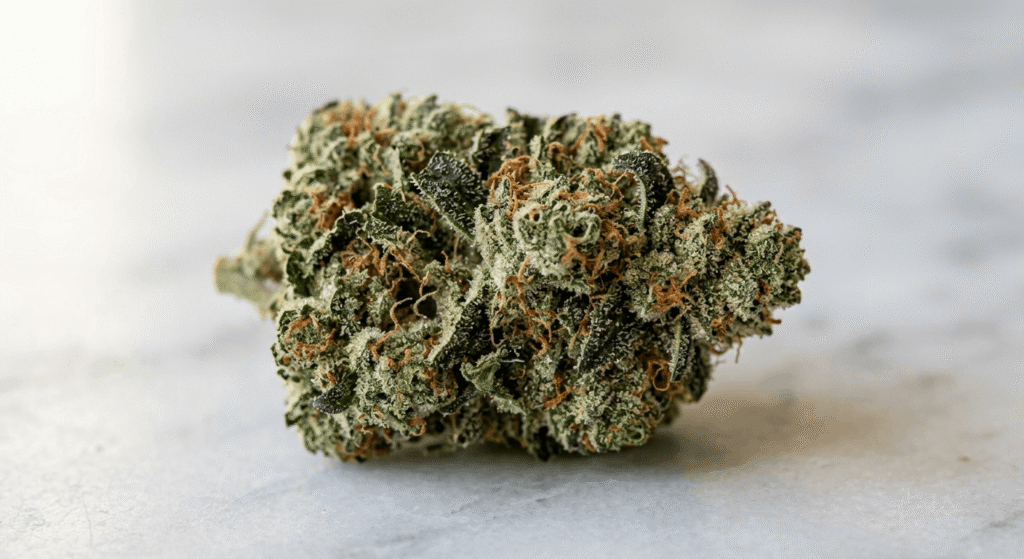
What is THCA vs Delta 9 THC?
THCA vs Delta 9 THC describes a fundamental distinction in cannabis chemistry and law. THCA (tetrahydrocannabinolic acid) is the non-psychoactive form present naturally in raw cannabis, while Delta-9 THC (Δ9-tetrahydrocannabinol) is the main psychoactive compound responsible for the cannabis “high.” Upon decarboxylation, THCA transforms into Delta-9 THC, shaping both the experiential and legal differences experienced by consumers and sellers.
THCA vs Delta 9 in Brief
THCA (tetrahydrocannabinolic acid) is the primary non-psychoactive cannabinoid acid found in fresh cannabis and hemp, while Delta 9 THC (Δ9-tetrahydrocannabinol) is the psychoactive form created when THCA is heated. Their distinct chemical structures drive both different effects and significant legal consequences for U.S. consumers.
THCA Meaning and Scientific Background
THCA meaning originates from its status as the main cannabinoid acid synthesized naturally by cannabis plants. THCA accumulates in the trichomes of unheated flower, where it does not bond effectively to CB1 brain receptors, resulting in a non-intoxicating profile. This distinguishes it sharply from Delta-9 THC, which readily produces psychoactive effects. As a result, THCA is often promoted for dietary or wellness uses among those seeking cannabis constituents without psychoactivity.
Structurally, THCA possesses a carboxyl group, setting it apart chemically and functionally from Delta-9 THC. This additional group makes THCA less interactive with the body’s endocannabinoid system until subjected to decarboxylation. Researchers continue to investigate prospective health benefits, but it is critical to recognize that regulations, rather than potential wellness impacts, most strongly influence real-world product accessibility. The legal landscape may shift rapidly, requiring both consumers and sellers to remain informed as new findings and rules emerge.
THCA Legality and Market Relevance
THCA legality hinges primarily on how regulatory bodies regard its conversion potential to Delta 9 THC. Products containing THCA can quickly become illegal if their “total THC” calculation, considering the amount of THCA convertible to Delta-9, exceeds specific state or federal limits. This underlines the importance of regular compliance checks for anyone operating in the THCA wholesale market or even making personal purchases.
Delta-9 THC: Properties, Effects, and Legal Aspects
Delta-9 THC is renowned for its psychoactive properties, which stem from its direct action on CB1 receptors in the human brain. When Delta 9 THC is inhaled or ingested—whether via smoking, vaping, or eating infused edibles—it imparts characteristic effects like euphoria, changes in sensory perception, and sometimes anxiety or paranoia. These effects have made Delta-9 THC widely popular for recreational use, but also tightly scrutinized under U.S. law.
Raw cannabis contains low levels of Delta-9 THC, with most of it present as THCA. Decarboxylation, the process of applying heat, converts THCA to Delta-9 THC at the point of use, shifting the product from non-intoxicating to intoxicating. Federal and state authorities establish compliance by monitoring the total Delta-9 THC content, ensuring hemp products remain below the 0.3% Delta-9 THC threshold set by the 2018 Farm Bill.
Chemical Differences: THCA vs Delta 9
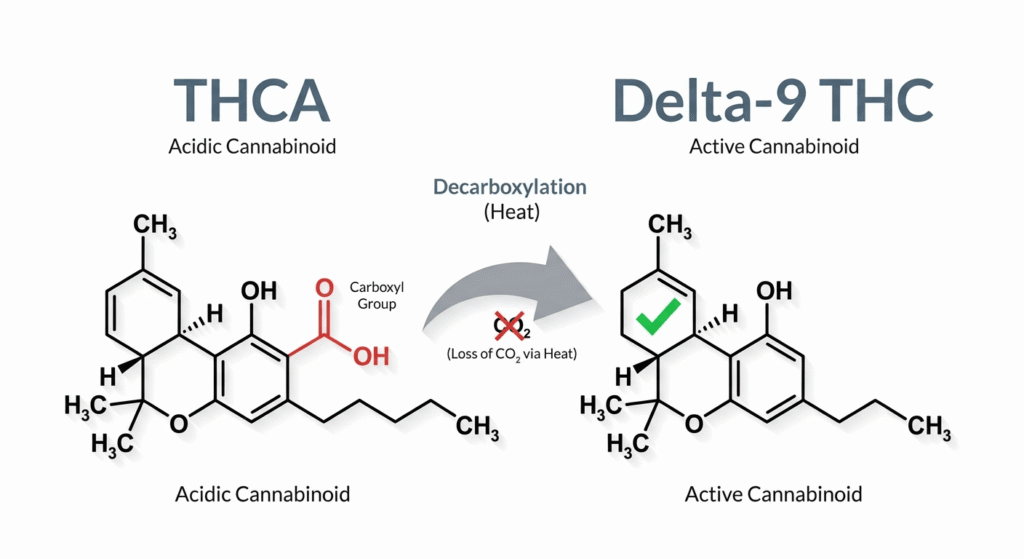
The difference between THCA and Delta 9 centers on their molecular frameworks. THCA has an extra carboxyl group (COOH), preventing it from effectively binding to the brain’s CB1 receptors and delivering a “high.” Once this group is removed during decarboxylation, the molecule becomes Delta-9 THC, which is immediately psychoactive.
Despite THCA’s status as a precursor to Delta-9 THC, this minor chemical change dramatically impacts legality and effects. While THCA can be plentiful and lawfully present in hemp-derived products before decarboxylation, its transformation to Delta-9 THC quickly places those products in a more regulated legal zone, especially as many states crack down on “total THC” content.
Difference Between THC and THCA
The difference between THC and THCA is central to both regulatory issues and user experience. THC, almost always referring to Delta-9 THC in legal contexts, causes intoxication. THCA in its unheated form does not, but rapidly becomes psychoactive if smoked, vaped, or cooked. This distinction requires careful attention to product handling and labeling for both buyers and processors.
Decarboxylation: How THCA Becomes Delta-9 THC
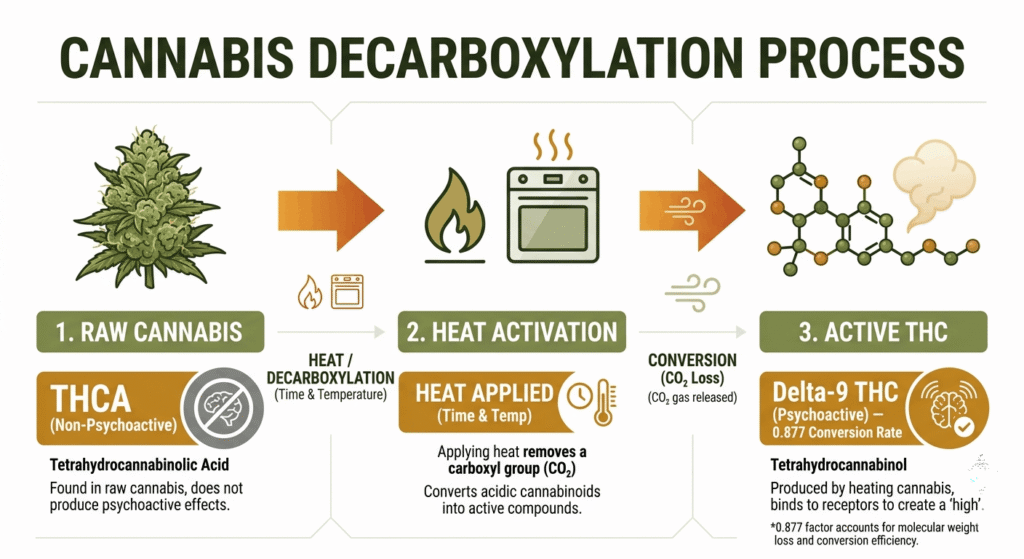
Decarboxylation is the specific chemical reaction responsible for converting raw THCA into psychoactive Delta-9 THC. Heat—applied through smoking, vaping, or baking cannabis—removes the carboxyl group from THCA and turns it into Delta-9 THC. This process is nearly instantaneous at high temperatures and is the standard method for generating the “high” associated with cannabis.
According to industry standards, 1 mg of THCA converts to about 0.877 mg of Delta-9 THC after decarboxylation, a crucial factor in determining product potency. Manufacturers and regulators use this conversion to assess product strength and legal compliance, especially when interpreting test results for “total THC.” The decarboxylation process not only changes the physical effects but also the classification of a product under both federal and state laws.
THCA vs Delta 9: Legal Status in the US
THCA and Delta-9 THC occupy very different legal spaces in the U.S., causing ongoing confusion and risk for consumers and cannabis businesses. The 2018 Farm Bill federally legalized hemp products with less than 0.3% Delta-9 THC by dry weight but omitted reference to THCA, leading businesses to sell high-THCA, low-Delta-9 products as legal hemp.
However, as awareness of decarboxylation and conversion potential grew, states began introducing “total THC” rules. These regulations combine THCA (multiplied by the 0.877 conversion factor) and measured Delta-9 THC to establish product legality. As of 2026, many states—such as Colorado, Kansas, and Louisiana—now require “total THC” compliance, barring most high-THCA products from the regular hemp market.
Federal agencies have started enforcing stricter definitions, effectively closing the “THCA loophole.” By late 2026, the vast majority of high-THCA flowers and concentrates will only be legally available from licensed marijuana dispensaries. Purchasers and sellers should always confirm the latest state and federal guidelines and thoroughly review relevant terms & conditions before buying or distributing any cannabinoid products.
THCA Legality and Regulatory Updates
THCA legality continues evolving rapidly. States may have emergency regulations, scheduled updates, or even enforcement crackdowns that shift compliant products to “controlled substance” status in a matter of weeks. For those engaged in THCA wholesale or retail operations, it is essential to have a compliance plan and remain in frequent contact with regulatory professionals.
THCA Wholesale and Market Overview
The THCA wholesale market rapidly expanded after the Farm Bill, with THCA flower and THCA concentrates made available across the U.S. for both consumers and business buyers. Wholesalers claim compliance by ensuring Delta-9 THC content remains under 0.3% prior to decarboxylation.
Popular THCA-rich products sold wholesale include:
- Raw THCA hemp flower
- Concentrates such as badder, crumble, distillate, hash, live resin, rosin, and sugar
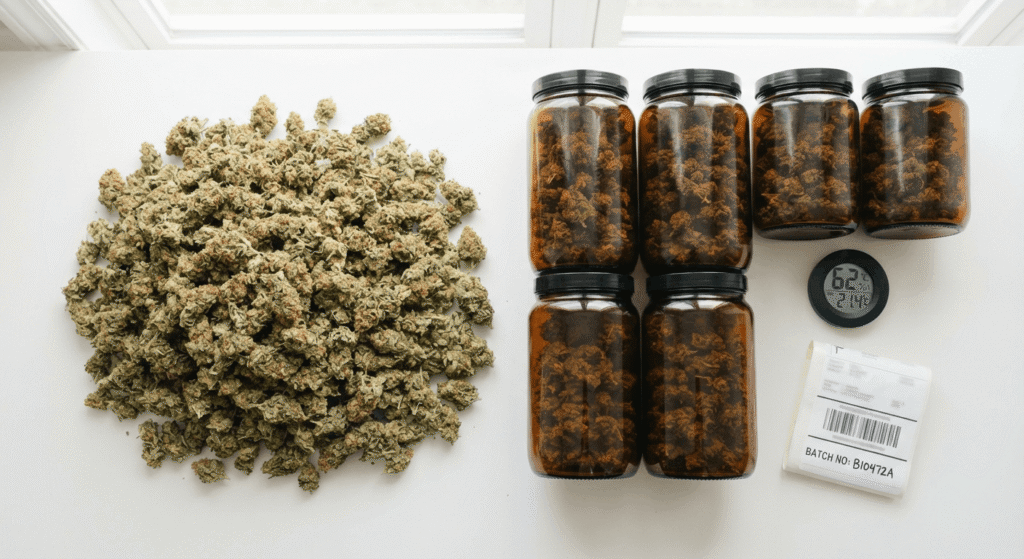
When engaging in THCA wholesale transactions, all parties should carefully review the most current lab results for each batch and remain vigilant about shifting state restrictions. Highly potent high-THCA flowers (often 15–25% THCA) have recently faced a wave of compliance losses due to new “total THC” calculations. Buyers can reference the shop for up-to-date offerings and filter by wholesale pricing for bulk deals.
Real-World Market Considerations
Buyers and retailers need to monitor public health and regulatory announcements regularly to avoid stocking products that may lose legality overnight. About pages and supplier updates can provide valuable context about sourcing and compliance strategies. Maintaining strong lab documentation and seller transparency is a must as the patchwork of state and federal oversight continues to reshape the market.
THCA Flower vs Delta-9 Flower
Recognizing the distinction between THCA and Delta 9 flower starts at the label. Legal products must now display both THCA and Delta-9 THC percentages, and most notably, the “total THC” calculation: (THCA x 0.877) + Delta-9 THC.
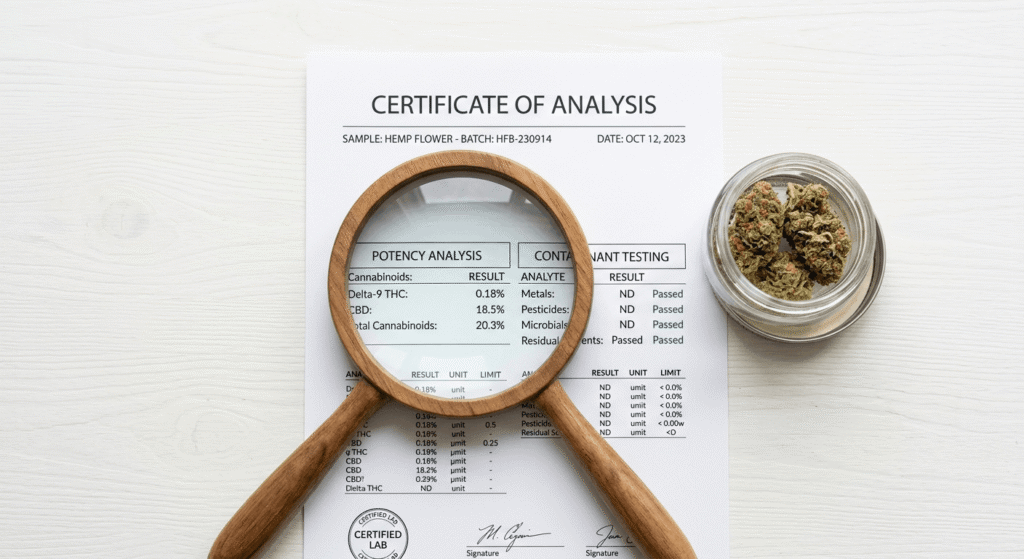
Buyers are encouraged to always review the Certificate of Analysis (COA) for hemp or cannabis batches. Reading a typical COA involves checking:
- THCA %: High values indicate potential for significant psychoactivity if heated.
- Delta-9 THC %: Should remain below 0.3% in federally legal hemp.
- Total THC %: Signals the maximum THC available after full decarboxylation.
Older labels may only show Delta-9 THC measurements, but with enforcement tightening, complete “total THC” transparency is now crucial. If there’s any doubt about compliance, buyers should always contact the supplier or review laboratory methods, especially before purchasing flowers or concentrates.
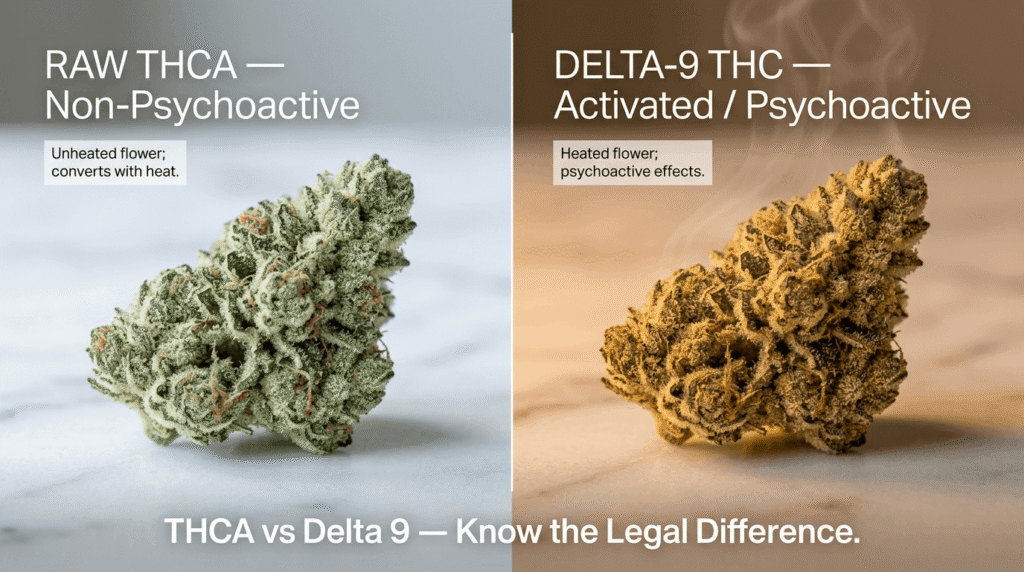
Labeling and Consumer Protection
Proper labeling not only maintains compliance but also protects consumers from accidental intoxication or failed drug tests. Scrutinizing the details on every COA leads to more confident and safe buying choices.
THCA vs THC: Which is Stronger?
When comparing THCA vs THC, which is stronger falls on whether the product is consumed raw or heated. THCA, in its raw state, is non-psychoactive and won’t induce a “high.” Once heated through smoking, vaping, or cooking, the THCA content converts nearly entirely to Delta-9 THC—at a rate of about 0.877 mg per milligram of THCA. This results in psychoactive potency similar to direct Delta-9 THC flower.
For users, the key consideration is the final form of consumption. If eaten or juiced raw, THCA does not rival the strength of Delta-9 THC. If heated, THCA-rich products can match or almost match the psychoactive effect of traditional cannabis. This is why careful decarboxylation knowledge is essential, both for consumers and businesses involved in the cannabis and hemp supply chain.
Delta 9 vs THC: Clarifying Cannabinoid Nomenclature
The terms Delta 9 vs THC and THC a vs Delta 9 can be point of confusion for consumers and businesses. In legal and regulatory documents, “THC” predominantly means Delta-9 THC, the major intoxicant in marijuana. “THCA,” on the other hand, is the non-psychoactive, acidic precursor—only turning psychoactive upon decarboxylation.
Additional “THC” analogs like Delta-8 and Delta-10 have distinctive effects and rapidly changing legal statuses. However, it’s important to assume that “THC” as a label denotes Delta-9 unless otherwise specified. All compliance documentation should clearly differentiate between “THCA,” “Delta-9 THC,” and broader terms like “total THC” to avoid regulatory surprises.
Delta 9 vs THC Labeling Impact
Labeling accuracy ensures legal compliance and minimizes confusion. When checking COAs and labels, consumers should look for explicit mention of all major cannabinoid content, particularly Delta-9 THC and THCA.
How to Determine Legal Compliance for THCA and Delta-9 THC
- Obtain a Certificate of Analysis (COA): Always request or download a recent, valid COA from the cannabis retailer, lab result or lab results page. Confirm batch-specific cannabinoid percentages.
- Check Delta-9 THC and THCA Levels: Review the COA for both THCA percentage and Delta-9 THC percentage, as both numbers impact legality and potency.
- Calculate “Total THC” Using the 0.877 Factor: Federal hemp compliance is based on the formula: (THCA × 0.877) + Delta-9 THC. Example: With 20% THCA and 0.2% Delta-9, you get (20 × 0.877) + 0.2 = 17.94% total THC.
- Compare to Federal and State Legal Limits: Federally legal hemp must remain below 0.3% “total THC” by dry weight. Some states apply stricter standards—always confirm both before proceeding.
- Monitor Regulatory Changes: Regulations shift quickly. Subscribe to official regulatory sources, blogs, or compliance alert services, and regularly check your contact resources to remain informed.
THCA vs Delta-9 THC vs Other Cannabinoids
| Cannabinoid | Psychoactive in Raw State? | Psychoactive After Heating? | U.S. Federal Legal Status | Common Products | Source Plant |
|---|---|---|---|---|---|
| THCA | No | Yes (as Delta-9 THC) | Hemp if <0.3% Delta-9 THC* | Flower, [concentrates](https://thcawholesale.deals/product-category/concentrates/), raw extracts | Cannabis/Hemp |
| Delta-9 THC | Yes | Yes | Controlled unless <0.3% | Flower, concentrates, edibles | Cannabis/Hemp |
| Delta-8 THC | Mild | Mild | Heavily restricted (2026) | Gummies, vapes, tinctures | Hemp-derived |
| CBD | No | No | Legal federally | Tinctures, edibles, cosmetics | Cannabis/Hemp |
| CBN | Mild | Mild | Legal federally | Sleep aids, tinctures | Cannabis/Hemp |
*Current as of late 2026, and subject to change as “total THC” regulations expand.
THCA Side Effects and Consumer Risks
THCA is generally considered non-intoxicating, but caution is warranted both medically and legally. Potential THCA side effects when consumed raw include digestive upset or rare allergic reactions. Once the product is decarboxylated through heat, side effects align closely with those of Delta-9 THC, such as anxiety, paranoia, dry mouth, fast heart rate, or impaired coordination.
It is critical to remember that decarboxylated THCA will trigger psychoactive effects and can cause a failed drug test. Labelling errors and misreading the “total THC” content can easily result in accidental overconsumption or unintentional legal infractions. Always review COAs, begin with low doses, and consult with a healthcare provider about possible risks, especially for those with sensitivities or pre-existing conditions.
Common Mistakes When Handling THCA and Delta-9 THC
Missteps involving THCA or Delta-9 THC can have serious health or legal consequences. Common errors include:
- Misinterpreting product labels: THCA products are only non-intoxicating if consumed raw. Once smoked or heated, they act like standard THC flower or concentrate.
- Neglecting “total THC”: Focusing only on Delta-9 THC values ignores the conversion risk from THCA, which can cause accidental non-compliance with state laws.
- Improper storage or shipping: Transporting high-THCA flower across state lines could violate regulations, especially if a jurisdiction adopts “total THC” standards. When in doubt, contact compliance resources.
- Assuming drug tests distinguish cannabinoids: Drug screenings typically cannot differentiate between Delta-9 and decarboxylated THCA metabolites.
- Failing to keep up with new laws: States and federal agencies continually update cannabis regulations, so periodic checks of terms & conditions and reliance on about or blogs for updates is recommended.
Frequently Asked Questions
1. Is THCA legal everywhere that Delta-9 THC is prohibited?
No. THCA is federally legal if derived from hemp and the finished product contains less than 0.3% Delta-9 THC, but more states are adopting the “total THC” standard, which also restricts products rich in THCA. Check current state laws before purchasing or using THCA-rich products.
2. Can THCA products be shipped across state lines?
Shipping THCA products has become riskier as states shift toward more restrictive policies. Shipments could be reclassified as marijuana if authorities recognize decarboxylation potential, resulting in penalties. Always confirm destination laws and request full documentation, including lab results.
3. Does consuming raw THCA show up on drug tests?
Typically, consuming raw, unheated THCA does not result in a positive THC drug test. Only decarboxylated THCA (converted to Delta-9 THC by heat) will produce metabolites that standard tests detect. However, product handling errors can still result in a failed test, so caution is warranted.
4. Are there medical benefits unique to THCA?
Early research into THCA suggests possible anti-inflammatory and neuroprotective effects, but there are very few human clinical trials compared to THC or CBD. Consumers interested in health benefits should consult their physician and look for ethically produced, fully tested products.
5. How can I tell if a product is compliant with new ‘total THC’ laws?
Review the product’s COA for both THCA and Delta-9 THC content, then apply the 0.877 multiplication factor to THCA and add the result to the Delta-9 value. If the “total THC” percentage is below local regulatory thresholds, the product is compliant. If not, seek clarification before purchasing.
Conclusion
Understanding the difference between THC and THCA is essential for anyone engaging with hemp or cannabis products. THCA vs Delta 9 represents more than a scientific distinction—it signals contrasting legal status and user effects. With strict “total THC” rules now common, consumers and businesses must prioritize label accuracy, up-to-date lab verification, and ongoing surveillance of regulatory shifts to ensure both compliance and safe use of cannabinoid products.